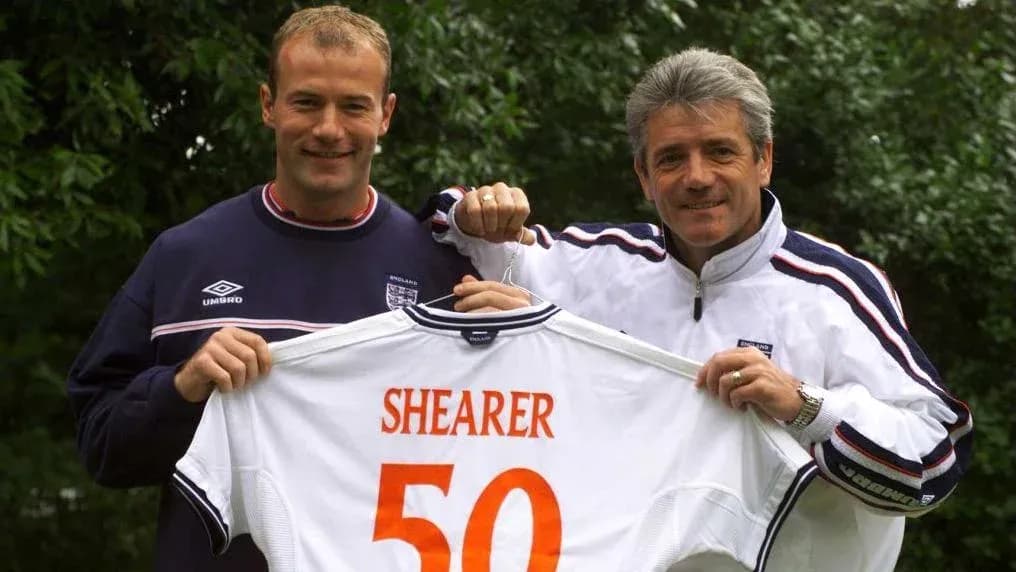
Alan Shearer Pays Tribute to Kevin Keegan: A Football Legend
Alan Shearer has paid an emotional tribute to Kevin Keegan, calling himself “honoured” to have known the man who shaped both his career and the modern identity of Newcastle United.
Keegan died on Monday, leaving English football without one of its most vivid, romantic figures – a man who lit up the game as a player and then transformed clubs and countries from the dugout.
For Shearer, this loss cuts deep.
“He was my hero. He was my manager. For Newcastle and England,” said Newcastle’s record goalscorer, who was brought back to his boyhood club by Keegan in 1996 for a then world record fee. That signing did more than smash the transfer market; it sent a shockwave through the Premier League and confirmed Newcastle as the most exhilarating show in town.
Keegan didn’t just manage Shearer. He trusted him, backed him, and then handed him the responsibility of leading England while Keegan was in charge of the national side. Few relationships in English football carried that much weight across both club and country.
“He was my friend. A man everyone loved. For his passion. For his energy but most of all for his friendship. He loved football and he loved Newcastle more than anything. I'm so honoured to have known him. We will miss you Kevin,” Shearer said.
Those words echo the mood on Tyneside and beyond. Keegan was never just a name on a teamsheet or a face on the touchline. He was the beating heart of a city’s footballing dreams, the architect of the “Entertainers” era, and the man whose return to Newcastle always felt like a natural reunion rather than a career move.
At St James’ Park, his impact runs far deeper than league tables and near-misses. For supporters, he embodied hope, ambition and a sense that anything was possible in black and white stripes.
That is why tributes have poured in from every corner of the game, and why voices like BBC Radio Newcastle’s Matthew Raisbeck have turned back to the archives, unearthing old audio from the Keegan years to capture what he meant to a club and a community. Raisbeck reflects on Keegan’s upbringing, his journey to the North East and why his arrival at Newcastle felt, simply, like “coming home”.
For Shearer, for Newcastle, for English football, the loss is raw. The legacy, though, is unmistakable – written in goals, in memories, and in the enduring belief that football should make you feel something.