Amanda Staveley's Bid for West Ham Stake
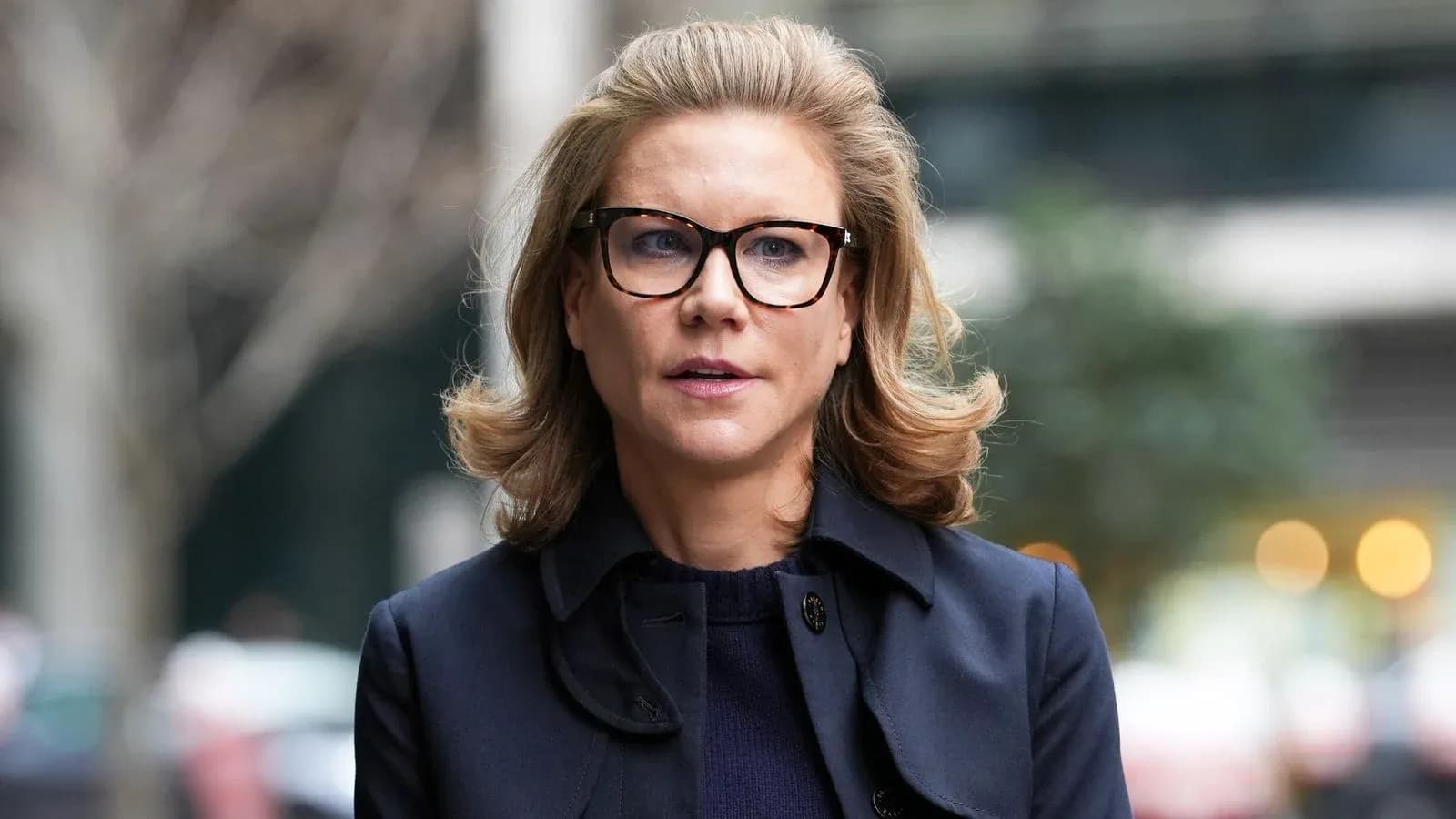
Amanda Staveley’s bid to re-enter the Premier League boardroom has arrived at the doors of West Ham.
PCP Capital Partners, fronted by Staveley and her husband Mehrdad Ghodoussi, has lodged a formal offer to buy a 25.1 per cent stake in the club, targeting the shares owned by the family of the late David Gold.
The move, revealed by Sky News’ Mark Kleinman on Thursday as being in preparation, has now advanced into a concrete proposal. The Gold family’s holding has long been viewed as the most realistic route for any new investor into the London Stadium, and Staveley has moved quickly.
A stake that stops short of control
The 25.1 per cent slice is significant. It would give PCP a powerful voice in the room, but not the keys to the entire house.
Crucially, West Ham’s current investors have first refusal on the offer. They can choose to match the terms and keep the Gold shares in existing hands. That clause ensures this is not a straightforward “highest bidder wins” scenario, but a delicate internal power play.
Sources close to the process have stressed that Daniel Kretinsky, who increased his own stake earlier this year, is still interested in the Gold family’s shares. Yet he is not looking to take the full holding. Doing so would push him over the line into majority ownership, a step he is not currently prepared to take under the club’s present structure.
So the picture is nuanced: a high-profile bidder in PCP, an established investor in Kretinsky, and a family weighing up how – and to whom – they pass on a legacy stake.
Silence in public, movement in private
Those involved are keeping their counsel. If a deal is struck, it will be the Gold family, not PCP, who speak first. That is a deliberate decision, framed as a mark of respect to the other shareholders and to David Gold’s memory.
Sky Sports News understands PCP will not comment publicly while negotiations continue, holding the line in what has become a familiar pattern. Staveley operated in similar fashion during the long-running takeover saga at Newcastle, preferring the boardroom to the microphone.
Behind the scenes, though, this is anything but quiet. Staveley and PCP have been circling the Premier League again since exiting Newcastle, sounding out several clubs. Talks were held with Tottenham among others. West Ham, though, is where their attention has settled.
For a group that helped engineer one of the most transformative takeovers in recent English football history, this is an attempt to step back into the elite – this time not as outright kingmakers, but as heavyweight partners.
A club in flux
The timing is no accident. West Ham are in the middle of one of the most turbulent periods in their recent history.
Relegation from the Premier League has reshaped the entire outlook of the club. The first question was the dugout. Would Nuno Espirito Santo survive the drop? The answer came quickly enough: he would stay on as head coach, tasked with dragging the Hammers back to the top flight.
Upstairs, the upheaval has been even more stark. Joint-chairman David Sullivan stepped down after “serious historic allegations” about his conduct emerged – allegations he denies. His departure has left a vacuum at the very top of the club’s hierarchy and sharpened the focus on who holds influence in the boardroom.
Against that backdrop, any shift in the shareholding is about far more than numbers on a register. It is about who shapes the rebuild, who signs off the long-term plan, who defines what West Ham look like when they re-emerge.
Transfer churn and one crucial constant
On the pitch, the summer has already bitten into the squad. Matheus Fernandes and Crysencio Summerville headline the departures, important outgoings for a club trying to reset after the financial and sporting shock of relegation.
Yet the most significant piece of business may be the one that did not happen. Captain Jarrod Bowen remains in claret and blue. Keeping their talisman gives West Ham a focal point around which to construct their promotion push – and, for any incoming investor, a reassuring symbol that the core of the team has not been ripped out.
The mix is volatile: a proud club out of the Premier League, a manager under pressure to deliver an immediate return, a boardroom in transition, and now a high-profile bid for a quarter of the shares.
Staveley and Ghodoussi know exactly what comes with that territory. The question now is whether the Gold family, Kretinsky and the existing shareholders decide they are the right partners for West Ham’s next chapter – or whether this latest move becomes just another near-miss in the Premier League’s shifting ownership game.