Arsenal's Medical Overhaul: Mikel Arteta's Bold Changes for Premier League Title Defence
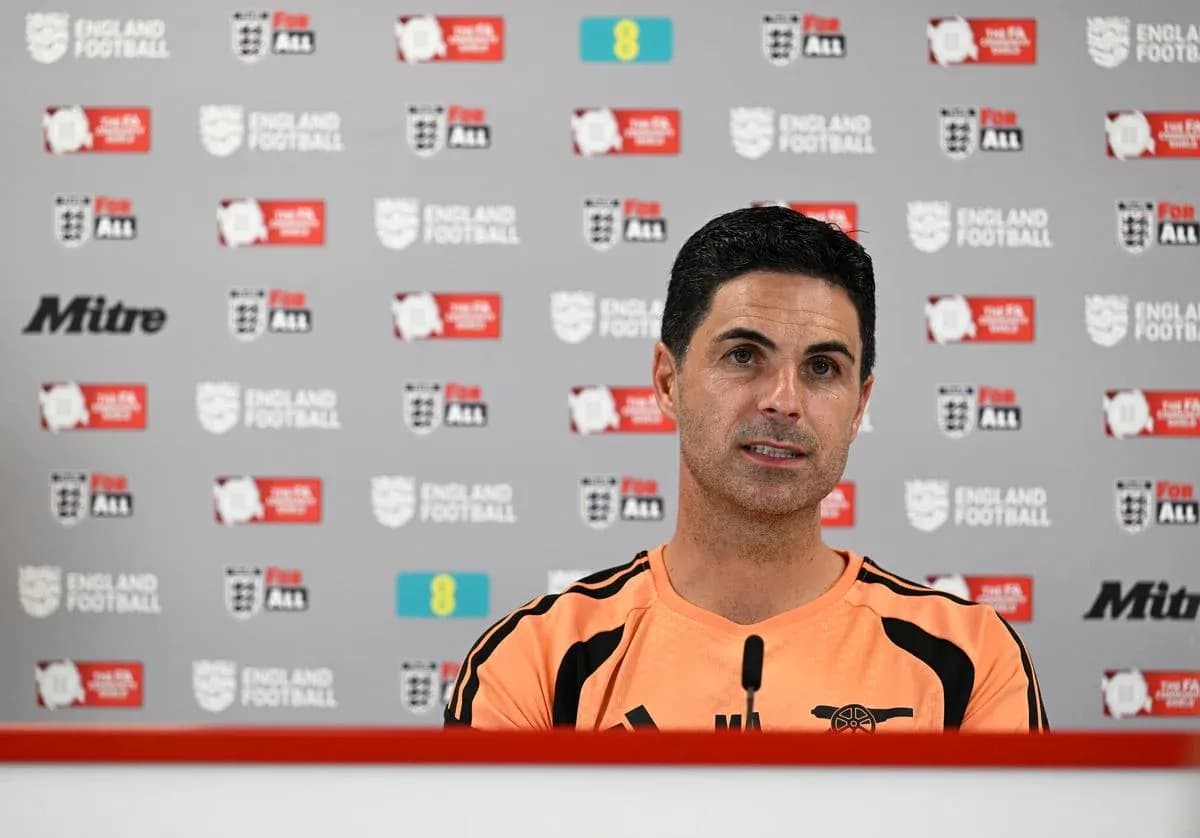
Mikel Arteta has lifted the lid on why Arsenal have ripped up and rebuilt a key part of their operation ahead of their Premier League title defence – and it has nothing to do with tactics or transfers.
The overhaul has come in the medical and performance department, an area Arteta has long viewed as central to any serious title push. He has spoken for years about one recurring problem: Arsenal’s best players have not been available often enough when the season reaches its decisive stretch.
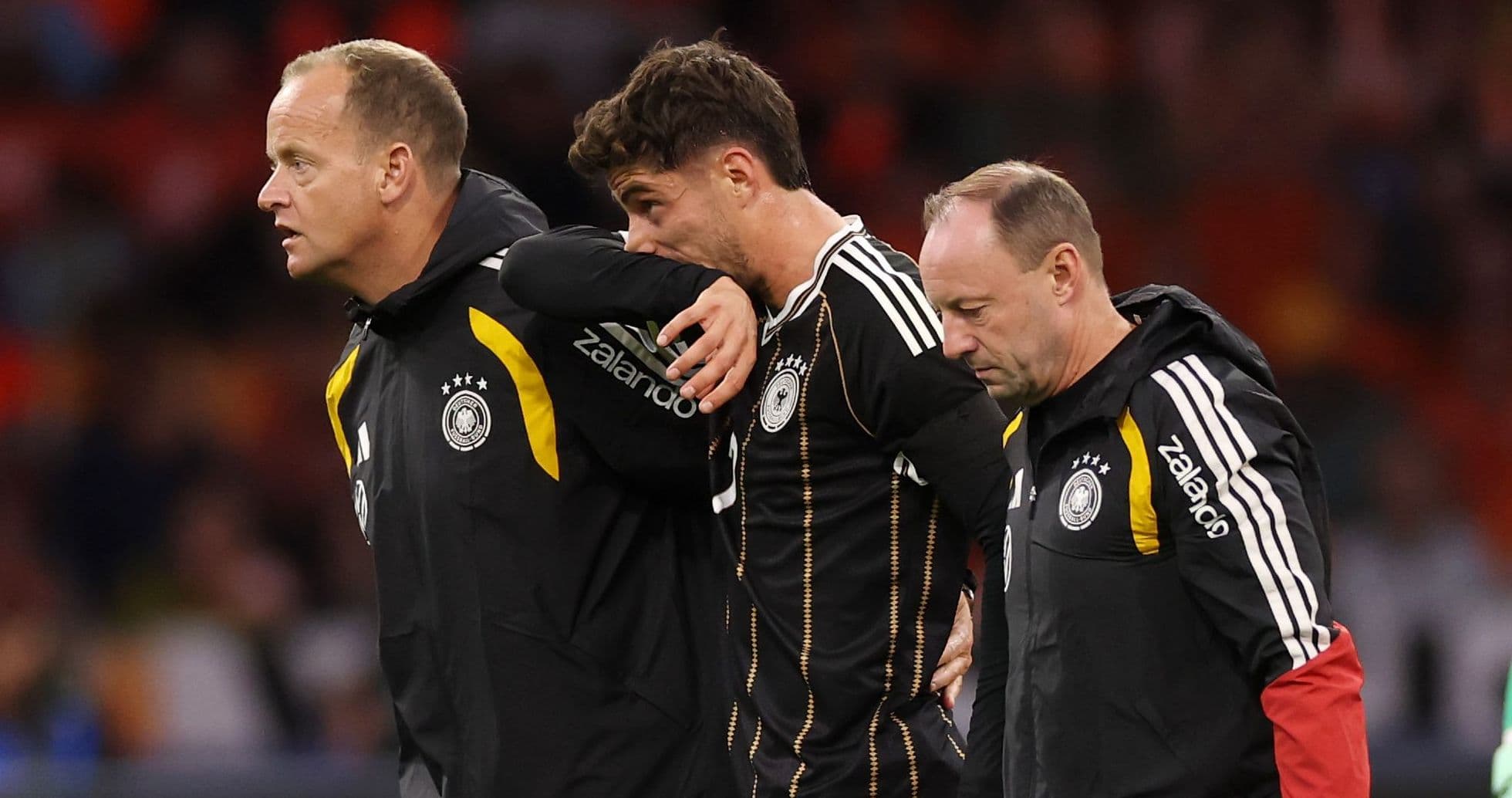
Injuries have repeatedly bitten hard. Bukayo Saka has played through pain and missed spells. William Saliba’s absence derailed a title charge. Kai Havertz has also spent important periods sidelined. For a manager obsessed with marginal gains, the pattern became impossible to ignore.
So Arsenal acted.
Shortly after the Champions League final defeat to Paris Saint-Germain, head of sports medicine Dr Zafar Iqbal was sacked. Tom Allen, the club’s head of sports science and performance, then departed. Lead performance coach Sam Wilson followed at the end of June. Three significant figures gone in a matter of weeks, all from a department most fans rarely see but every player feels.
This was not a snap reaction to one bad night in Europe. Arsenal had already conducted a review of their medical structure last season, bringing in Joaquin Acedo, a long-term friend of Arteta, to take on a key role in that process. The conclusion was clear: if Arsenal wanted to go from contenders to serial challengers, change off the pitch had to be as ruthless as change on it.
Arteta, speaking about those exits, made a point of starting with respect before underlining the need to evolve.
“First of all thank you to them for all the incredible work they have done for the club, for the players, for myself – and how well they have taken us and we will look to improve and evolve in certain areas," he said.
Then came the harder truth.
"We need to look across the club and we have made certain decisions that in our opinion will help us in medium and long term to be better.
“They are always difficult when you talk about people and you get such a strong relationship. It is always very, very tough."
The shake-up has already brought new faces into London Colney.
Eneko Angulo has arrived after leaving his role as head of rehabilitation at Real Betis, tasked with helping reduce those damaging absences that have stalked recent seasons. Arsenal have also appointed Arnaldo Abrantes as head doctor after his departure from Aston Villa.
Abrantes is not a typical club medic. Before medicine, he was a professional sprinter, representing Portugal at the 2008 Olympics. That blend of elite athletic experience and medical expertise caught Arteta’s eye.
"He was a good athlete," Arteta said with a smile.
But this was not nostalgia for a fellow competitor. It was a deliberate move to bring a different type of thinking into the building.
"When we're trying to evolve the squad, the team and the relationships and where the game is evolving, we wanted to recruit different qualities.
"That's one, when you've been there and sensed things in a different way. But as well because of his background, his knowledge about a lot of things that I was very interested in.
“We believe he was the right fit. I'm very happy with what he's bringing."
Arteta has already reshaped Arsenal on the pitch. This summer, he has turned the scalpel on the structure around it. The message is blunt: if Arsenal are going to go the distance this time, their stars cannot just shine – they have to stay standing.