Arsenal's Preseason Defeat: Arteta's Anger and Lessons Learned
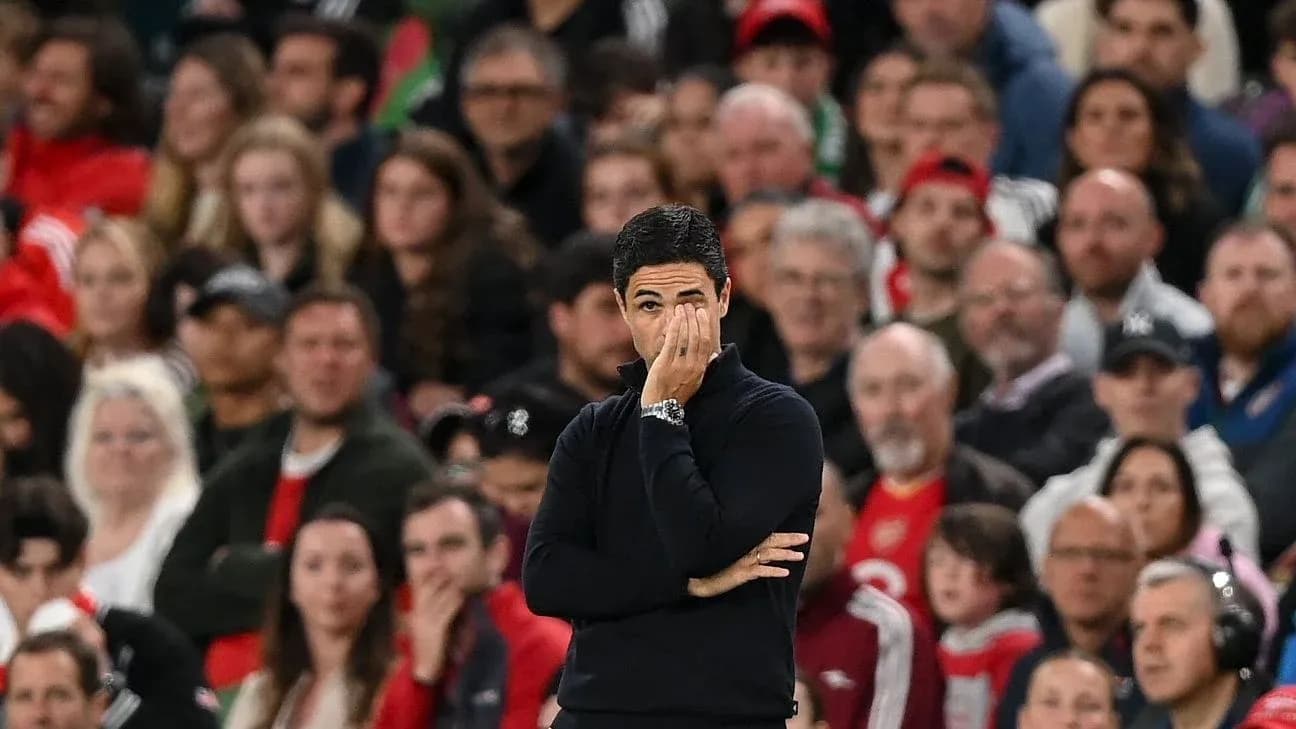
Mikel Arteta walked off into the Aviva Stadium tunnel with a 3-1 defeat on the scoreboard and exactly what he wanted simmering inside his dressing room: anger.
Not frustration. Not mild preseason irritation. Anger.
“They are fuming, but this is good. That's what we need,” he said afterwards, and you believed him. Arsenal had just been picked apart by Real Betis in a friendly that felt anything but friendly for a coach obsessed with standards.
Sloppy start, ruthless punishment
Arteta named the same XI that had swept past Girona 4-1 on Friday. Continuity, rhythm, another step towards the new season. Kai Havertz, Viktor Gyökeres and new signing Christos Tzolis all started. On paper, it looked strong. On grass, it looked fragile.
Nine minutes in, the warning sirens blared.
Kepa Arrizabalaga came for a corner, got nowhere near it, and Rodrigo Riquelme punished him ruthlessly at the back post. One delivery, one missed punch, one goal. Arsenal were behind before they had settled.
Betis then handed Arsenal a gift. Goalkeeper Álvaro Valles passed the ball straight to Tzolis, the kind of preseason lapse that usually ends with a simple finish and a sheepish grin. Tzolis couldn’t take advantage. The chance evaporated, and with it went Arsenal’s best early route back into the game.
The punishment for that wastefulness was brutal and spectacular. Nelson Deossa picked up the ball 30 yards out and ripped a thunderbolt into the top corner. No deflection, no doubt. 2-0, and Arsenal’s back line looked exposed and uncertain.
A brief response, then another blow
Arsenal did what good sides do: they responded. A Tzolis corner tempted Valles into his own misjudgement and this time the error was punished. Piero Hincapié rose to meet it and headed in, halving the deficit and briefly restoring some order.
For a few minutes, Arsenal played the kind of football Arteta referenced later – “fantastic moments” in possession, patterns you recognise from their best days. The ball moved quickly, Betis were pushed back, and the tempo lifted.
Then, just before the interval, the game flipped again.
Havertz, usually so secure in tight spaces, coughed up a loose pass in a dangerous area. Betis pounced. Pablo Fornals, the former West Ham midfielder, swept the ball beyond a static Kepa, who barely moved as it flashed past him. From 2-1 and building pressure to 3-1 and a mountain to climb, all in a heartbeat.
Arteta went down the tunnel knowing exactly what awaited the players inside.
“Very upset, given a hard time,” he admitted of the half-time mood. This was not a quiet debrief. This was a manager reminding his team that even in July and August, even in Dublin, standards are non-negotiable.
Changes, disruption and a flat second half
If the first half was chaotic, the second half was disjointed.
Arteta used the interval to turn the evening into a broader audition. Wholesale changes followed. He used 25 players across the 90 minutes, including handing Gabriel his first minutes since Brazil’s World Cup round-of-16 defeat to Norway.
The price of that experimentation was clear. The match lost its shape, its bite, and any real flow. Both teams probed, but the cutting edge vanished. No more clear chances. No more fireworks. Just the slow fade of a preseason friendly whose real value lay in the manager’s notebook rather than the scoreboard.
Arteta didn’t hide from the result, but he framed it firmly in context.
“Well, the important part is to win it and we didn't manage to win it, so disappointed obviously for the result,” he said. Then came the caveat: “It's true we used 25 players, so you need to give a bit of context to the game.”
He separated performance from edge, quality from competitiveness.
“In the first half, with more starters, two very different things: how we played and how we competed, because we had some fantastic moments in the time we played,” he explained. The football pleased him in patches. The defending around the box did not.
“The way we competed especially in and around our box in a number of standards that we are used to, so there are things to improve obviously, some positives to take from the game and then a bad result sometimes it's good to create even more fire in the belly.”
Fire, flaws and what comes next
That line matters. Fire in the belly. Arteta has built this Arsenal side on intensity and accountability. Dublin exposed the soft edges that still creep in when focus slips – a goalkeeper misjudging crosses, a forward wasting a gift, a senior midfielder punished for one loose pass.
This was only a preseason fixture, but Arteta treated it as something more: a stress test. Some players passed. Some did not. The reaction inside that dressing room, “fuming” as he called it, will decide how quickly this defeat becomes useful.
The scoreline will be forgotten. The standard he demanded at 3-1 down in Dublin will not.