Arsene Wenger Supports Infantino's Decision to Abandon Private Equity Plan
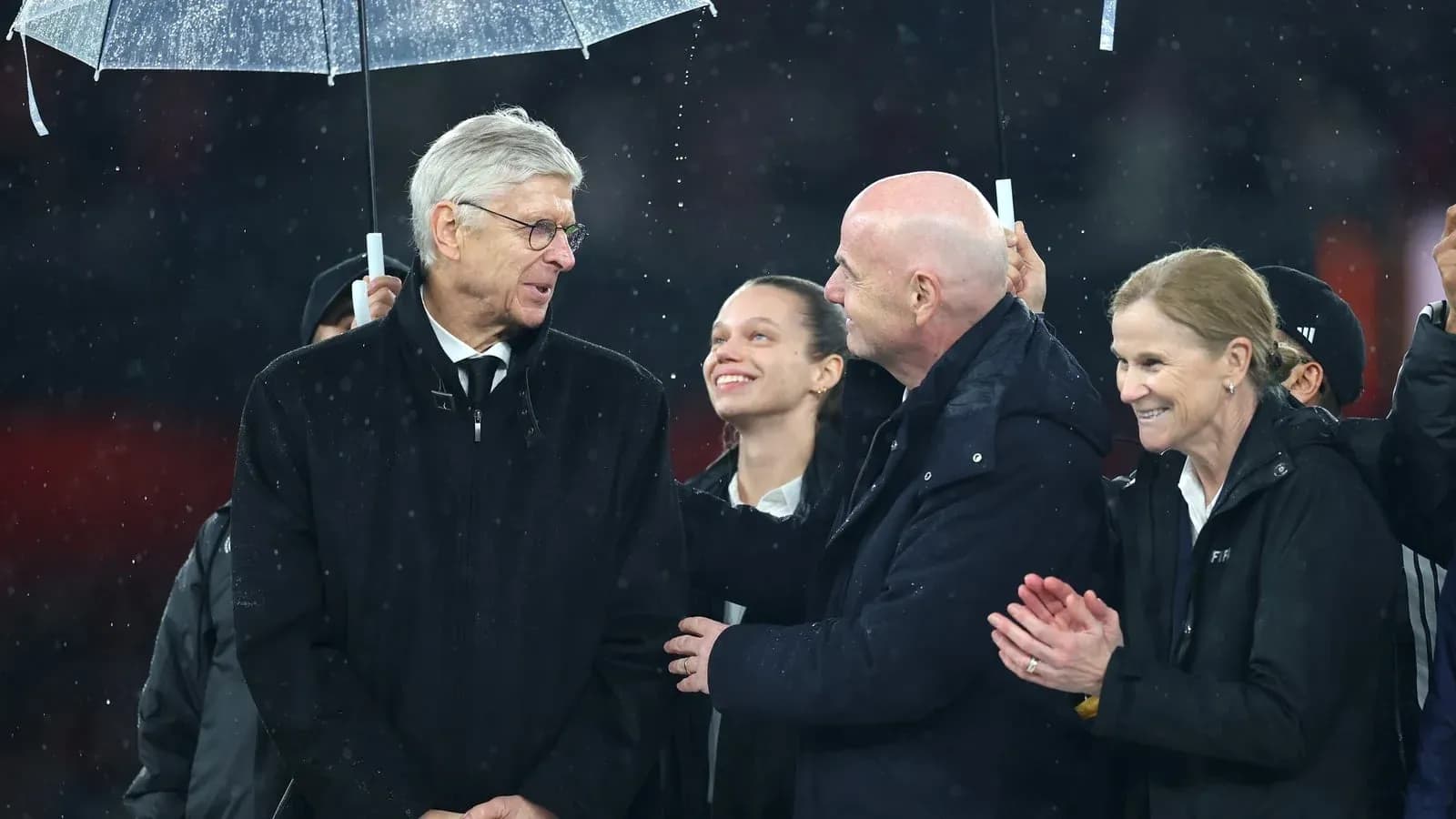
Arsene Wenger has broken his silence on FIFA’s abandoned private equity project, calling Gianni Infantino’s decision to pull the plug “absolutely necessary and beyond question” as the fallout from the plan continues to shake world football’s corridors of power.
The former Arsenal manager, now FIFA’s chief of global football development, issued a carefully worded but unmistakably firm statement on Tuesday, a week after details first emerged of Infantino’s proposal to create a new commercial vehicle, FIFA Forward Enterprise (FFE), and sell a 20 per cent stake to private investors.
The reaction across the game was swift and hostile. Three continental confederations rejected the idea outright, with UEFA pushing hardest, warning it could go as far as boycotting the World Cup and other FIFA competitions if the project went ahead. Faced with that level of resistance, Infantino retreated. The FFE plan was dropped.
Wenger has now made it clear where he stood.
“The recent events at FIFA deserve some clarity from my side,” the Frenchman said, before setting out his role and drawing a sharp line between his work and the controversial proposal.
“At FIFA, I am the Chief of Global Football Development. Together with my team, I oversee the data analysis of the game, the FIFA online training centre, the development of youth education through 60 academies across 60 countries where they are most needed, and youth competitions around the world. In addition, I am a technical adviser to IFAB.”
Then came the key point. Wenger stated he “was not involved in this strategic plan and first became aware of the project through media reports,” a striking admission given his senior position and long-standing relationship with Infantino.
That distance set up his verdict on the U-turn.
“The decision to withdraw the project was absolutely necessary and beyond question, because I firmly believe in an independent FIFA that serves our game with commitment, transparency, and integrity.”
In a single sentence, Wenger backed the reversal, defended the principle of an “independent FIFA” and anchored his stance in the values he has repeatedly championed since leaving club management.
His intervention lands at a delicate moment for the organisation. Infantino has already seen one senior figure walk away over the affair, with his adviser Carlos Cordeiro resigning after the initial outcry. Wenger, by contrast, gave no hint he is preparing to follow him out of the door. He chose instead to underline his ongoing work in youth development, data, education and law-making, and to draw a red line against the type of financial engineering that sparked the crisis.
For a man who built his reputation on long-term thinking and safeguarding the game’s future, the message was unmistakable: FIFA can chase growth, but not at the price of control over the World Cup and the sport’s core assets.
The battle over FFE may be over. The argument about what kind of FIFA emerges from it is only just beginning.