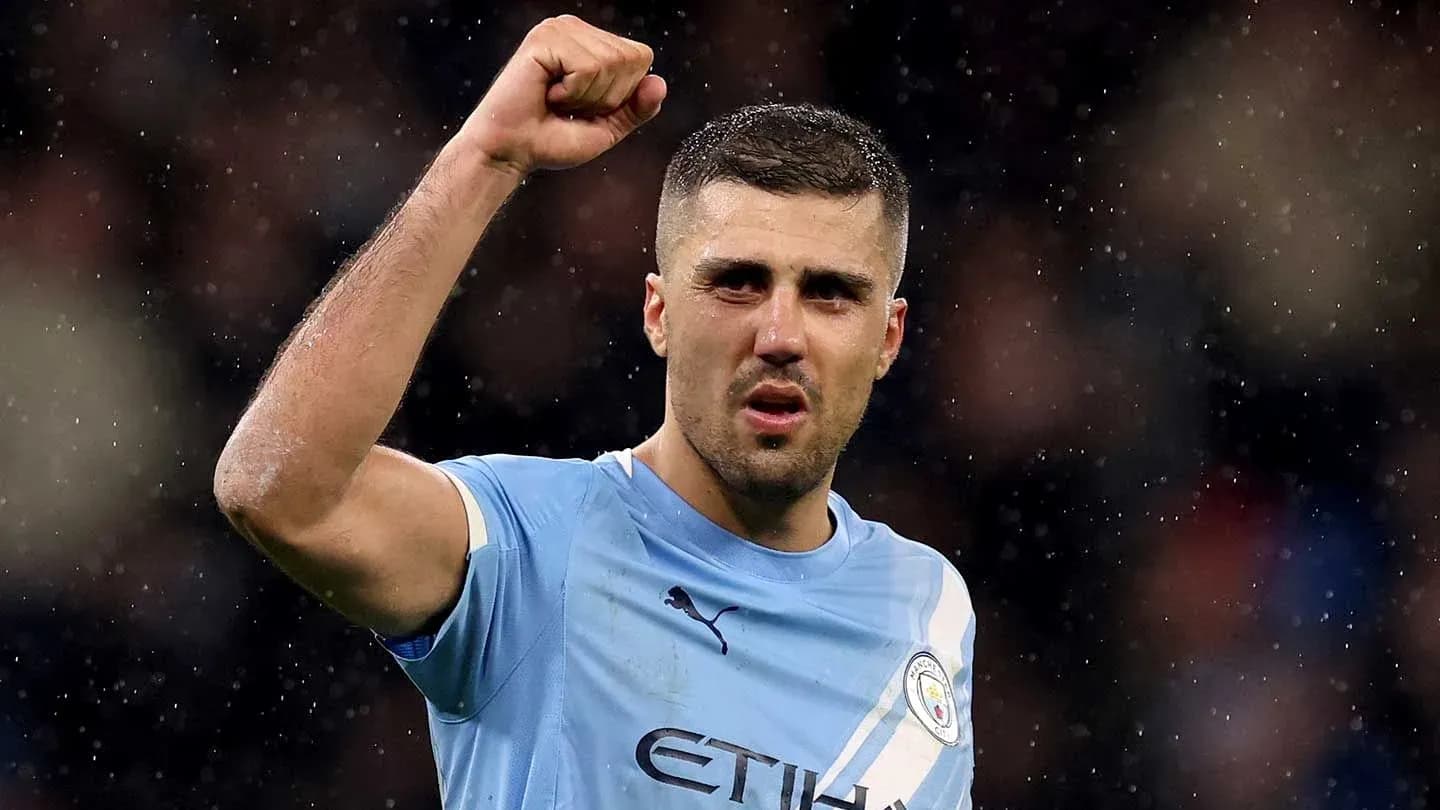
Barcelona’s Rodri Gamble and City’s Firm Rejection
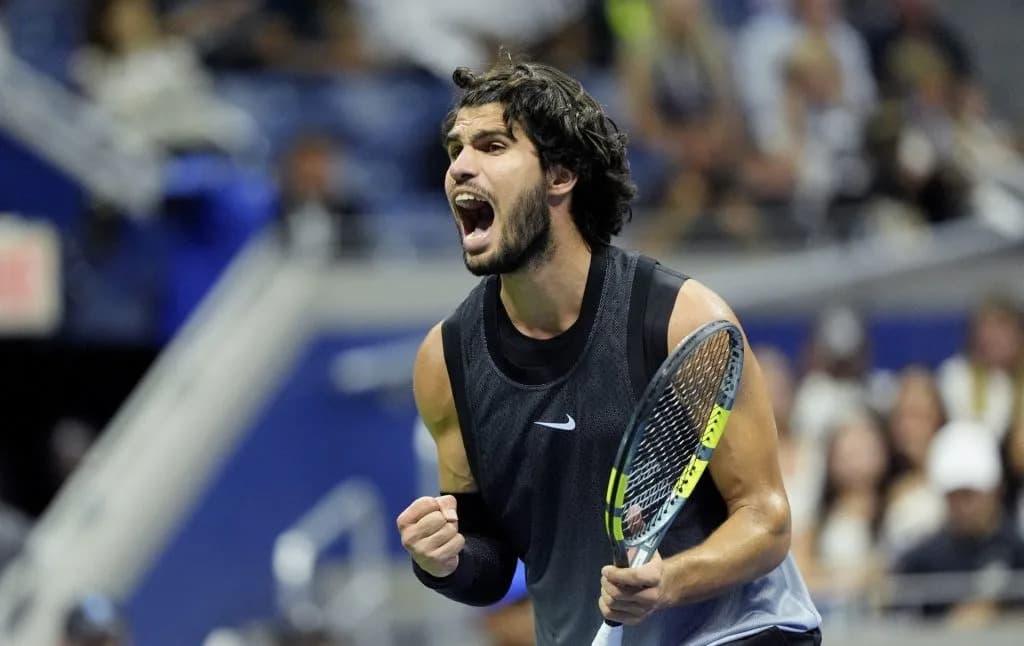
Manchester City barely needed a moment to answer. Barcelona’s opening move for Rodri arrived on Friday morning; the response was swift and uncompromising: no.
According to reports from Sky Sports and Fabrizio Romano, Barca put €45 million on the table as a base fee, with a further €5 million in bonuses. A total package of €50 million for one of the most influential midfielders in world football. City, Premier League runners-up last season and in no mood to weaken their core, dismissed it almost instantly.
This is not a negotiation yet. It is a staring contest.
Barca’s Bid Meets City’s Wall
The gap is stark. Barcelona’s €50 million proposal sits a long way below City’s valuation. Reports suggest the English club would only even consider “concrete negotiations” if an offer in the region of €80 million arrives. Rodri’s contract runs until 2027, and City know exactly what that security is worth in a market that routinely inflates the price of elite midfielders.
For Barcelona, that poses a serious problem. They have identified Rodri as their top midfield target, but the numbers are brutal. The Athletic has already indicated there is little chance of a quick breakthrough. To get close to City’s asking price, Barca will almost certainly have to sell.
And that is before they even start talking about wages.
Beating Real Madrid to the Punch
The financial headache comes with a sporting triumph of sorts. Before City rejected the opening bid, Barcelona had already scored a psychological victory over their oldest enemy.
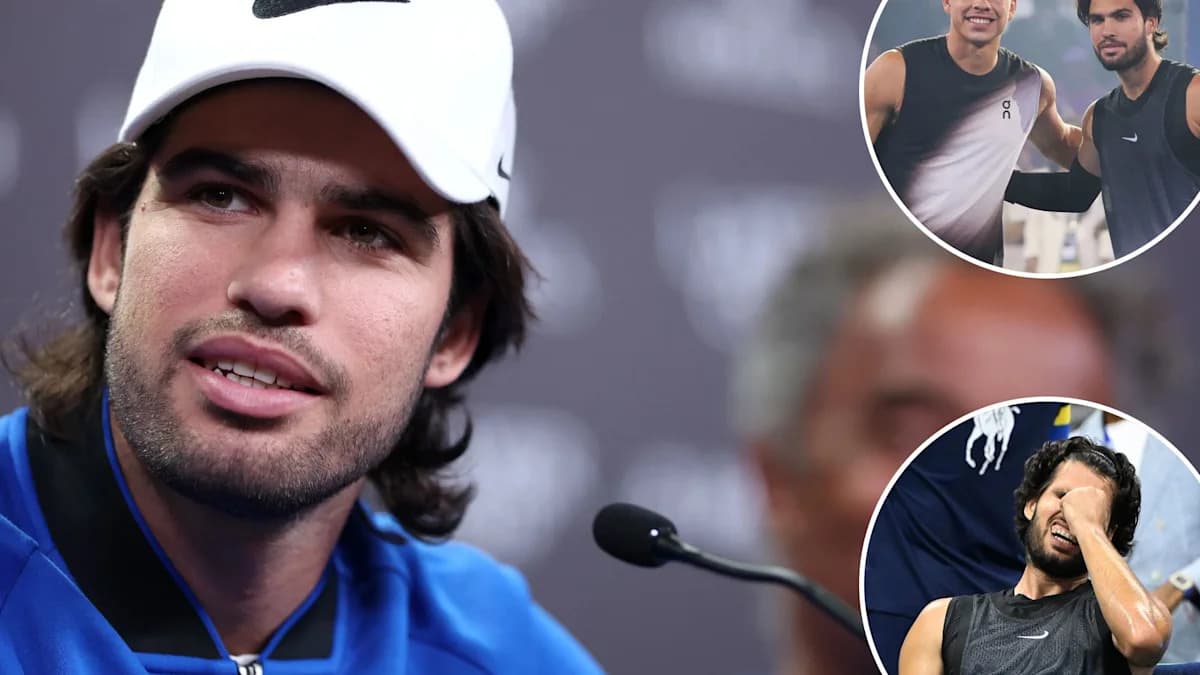
Rodri’s adviser, Pablo Barquero, revealed on Cadena Ser that the player had turned down a move to Real Madrid. He described Madrid’s proposal in glowing terms, praising the “professionalism, the class, the respect” and stressing that the club’s hierarchy — from the president down — had pushed hard to bring the midfielder to the Bernabeu.
The talks, Barquero said, had gone “positively”. Real Madrid did “everything to win him over”. And yet, it was not enough.
Rodri, the Spanish world and European champion, opted for “another offer”. Barquero did not name the club, but multiple reports point in one direction only: Barcelona.
On Thursday, Marca reported that Rodri had already given his commitment to the decision-makers at the reigning LaLiga champions, now under Hansi Flick, for a move in the current transfer window. While Real Madrid worked the phones and made their pitch, the player’s preference drifted steadily towards Camp Nou.
In the Spanish capital, disappointment set in quickly.
Style, Identity and a World Champion’s Choice
Real Madrid have chased Rodri for weeks, hoping to make him the anchor of a new era. They were encouraged by one key detail: the midfielder had shown no inclination to extend his deal with City. For the English club, that raised the prospect of a sale this summer being more than just a theoretical option.
Then came the signals from Rodri’s camp. In Madrid, they began to hear it more and more clearly: his heart leaned towards Barcelona.
The reasons are obvious enough. Barca’s football is built on possession, control, and midfield authority. Rodri is the prototype for that idea, a metronome who dictates tempo and territory. At Real, especially under incoming coach Jose Mourinho, the expectation is that the team will lean more on transitional play, with quicker, more direct attacks and less patient circulation.
One project offers him the ball. The other offers him the space. Rodri has made his choice.
There is also the human side. At Barcelona, he would walk into a dressing room packed with team-mates from Spain’s World Cup-winning squad, a familiar core that has just conquered the international game together. Real Madrid cannot offer that same cluster of national-team relationships. For a player at the peak of his powers, that environment matters.
Barca’s Midfield Need – and Their Financial Reality
Sporting logic pushes Barcelona towards Rodri. Frenkie de Jong faces a longer spell out with a knee injury, leaving a clear void in central midfield. Flick needs a pivot he can trust, someone who can shield the defence and orchestrate build-up in one movement. On paper, Rodri fits the vacancy perfectly.
But the market does not care about tactical fit. It cares about leverage.
City hold the contract, the player, and the stronger financial position. Barcelona hold the player’s preference and a pressing need. For now, that is not enough.
Reports in Spain and England agree on one point: if Barca want to get close to City’s €80 million threshold, significant outgoings are inevitable. The Catalans “apparently have to sell players” to fund the move, and not just fringe squad members. This is the kind of signing that forces hard decisions on big names, on salaries, on the entire wage structure.
The question is whether Barcelona can move fast enough — and boldly enough — to turn Rodri’s commitment into a completed transfer.
City have made their stance clear with that instant rejection. Barcelona have made theirs by targeting one of the most untouchable midfielders in Europe.
Something has to give.