Barcelona's Squad Dilemma: Missing a True Number Nine
Barcelona arrive at the new season looking loaded everywhere – except in the one position that used to define them.
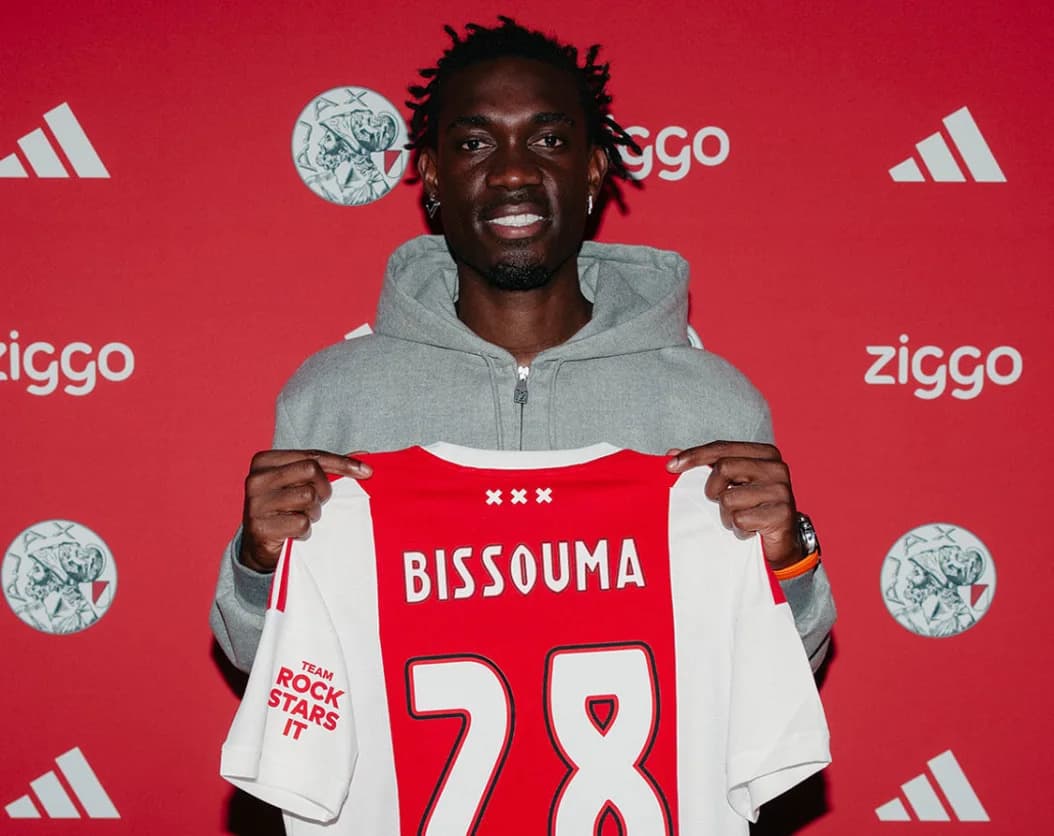
Hansi Flick has walked into a club that spent the summer stacking talent across the pitch. Rodri’s signing from Manchester City dropped a Ballon d'Or winner and World Cup-winning captain into a midfield already dripping with technique and control. Anthony Gordon and Karim Adeyemi bring raw pace and width to the front line. Behind them, 18-year-old Belgian winger Jesse Bisiwu is one for tomorrow.
But up front, in the most traditional sense, there is a hole.
A supercharged squad with a missing piece
Barcelona open their La Liga campaign away to Elche on Sunday, 23 August, and there is a real possibility they do so – and carry on all season – without a recognised number nine. The transfer window shuts on 1 September. As it stands, there is no established senior striker in the first-team squad.
Robert Lewandowski is gone, his contract having expired before he moved to Chicago Fire in Major League Soccer at 37. Ferran Torres, who often stepped in as a central option and delivered 21 goals in 49 appearances last season, has joined Paris St-Germain in a deal worth about 50m euros (£42.7m).
Those two exits ripped out Barcelona’s orthodox centre-forward options in one summer.
The club’s response has been clear: they want Julian Alvarez from Atletico Madrid. The 26-year-old Argentina international publicly admitted during the World Cup that he would be looking for a move away. That flicked on the spotlight in Madrid – and not just from Barcelona. Real Madrid watched closely too.
Atletico’s answer was blunt. Chief executive Miguel Angel Gil Marin insisted Alvarez would not be sold, “not even for 200m euros” (£170.8m). A line in the sand, at least in public.
Flick’s dilemma: adapt, or insist on a nine?
Flick has not tried to hide the issue.
“We know we have to do something,” he said this month, before pointing straight at his internal solutions. Lamine Yamal can operate as a false nine. Gordon and Adeyemi can shift across the front line. None of them is a classic penalty-box striker, but all of them can hurt teams.
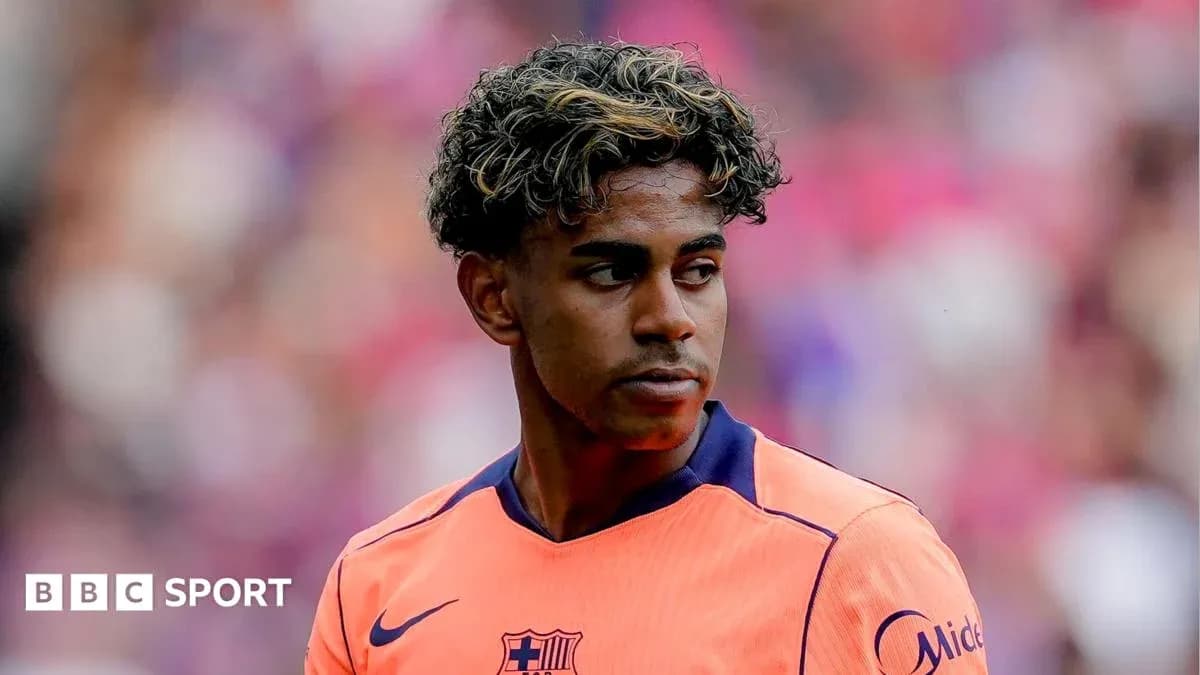
Lamine Yamal already feels like the centre of Barcelona’s attacking universe. Still a teenager, he is coming off a season in which he scored 24 goals and won the World Cup with Spain. He can lead the line. He can finish. Yet his most devastating trait might be something else entirely: isolating a full-back on the right, cutting inside, and conjuring chances from angles that do not seem to exist.
Flick knows it. His preference is to keep Lamine Yamal wide on the right, where he can stretch teams and decide games from the flank.
So the coach looks elsewhere for central solutions. Dani Olmo can drop in as a false nine. Raphinha has already been used through the middle under Flick. Fermin Lopez has also put his hand up, saying he is comfortable operating as a false nine in advanced areas.
Gordon and Adeyemi, meanwhile, offer direct running and speed that can rip through high defensive lines. But neither lives between the posts in the way a traditional number nine does.
A fluid front line – or a late-market gamble?
One option is obvious: embrace the chaos. Flick could build a fluid front line, with constant rotation, no fixed reference point and forwards drifting between the lines instead of standing between centre-backs.
On paper, that kind of movement makes Barcelona a nightmare to defend. Centre-halves lose their direct opponent. Full-backs get dragged inside. Midfielders are forced into decisions they do not want to make.
Yet inside the club, there is no pretending. The preferred outcome remains the same – a specialised striker, someone who fits the profile and anchors all that talent around him.
The clock is ticking to 1 September. Barcelona have rebuilt almost everything. The question now is whether they dare go into a title defence without a true number nine, or break the market to find one.