Barcelona's Striker Dilemma: Missing a Key Player for the Season
Barcelona have spent the summer loading every area of their squad with quality – except the one position that usually defines a season.
The Spanish champions have upgraded midfield, added speed out wide and invested in the future. Yet, with La Liga about to kick off, Hansi Flick still does not have a recognised number nine.
A supercharged squad – on paper
The headline arrival is Rodri from Manchester City. Barcelona have not just signed a midfielder; they have brought in a Ballon d'Or winner and a World Cup-winning captain to sit at the heart of a midfield already overflowing with talent.
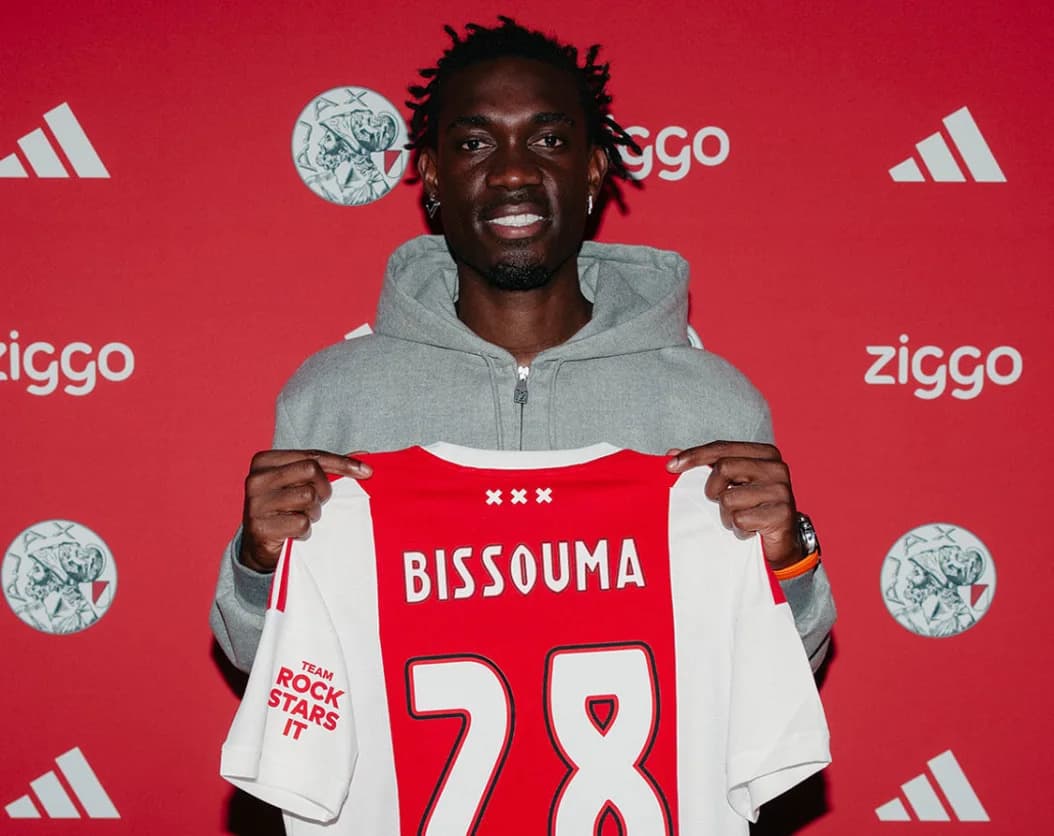
Out wide, the club have gone for power and pace. Anthony Gordon and Karim Adeyemi bring direct running and aggression in transition, the kind of players who can turn a half-chance into a counter-attack in seconds. Behind them, 18-year-old Belgian winger Jesse Bisiwu has been added as a long-term project, a nod to the next generation.
On paper, it looks like a squad built to dominate the ball and stretch opponents. But then you look down the middle. There’s the problem.
Life after Lewandowski and Torres
Barcelona travel to Elche on Sunday, 23 August for their first La Liga fixture. As it stands, they could walk into that game – and this entire campaign – without an established senior striker.
Robert Lewandowski has gone. At 37, the veteran chose Chicago Fire in Major League Soccer after his contract expired at the end of last season. His exit removed a guaranteed source of goals and a reference point for every attack.
Ferran Torres followed him out of the door, joining Paris St-Germain for about 50m euros (£42.7m). Torres hit 21 goals in 49 appearances last season and often stepped in through the middle when Lewandowski was absent or needed a rest.
Between them, Barcelona have lost their primary striker and their main alternative. What’s left is a team full of forwards, but no classic centre-forward.
The Alvarez dream – and Atletico’s hard line
Inside the club, the preferred answer is clear: Julian Alvarez.
Barcelona want the Atletico Madrid forward to lead their line. The 26-year-old Argentina international spoke during the World Cup about wanting a move away, and his profile fits the gap perfectly – mobile, ruthless, and comfortable in big games.
Atletico have shut the door. Hard.
Chief executive Miguel Angel Gil Marin has been blunt amid interest not only from Barcelona but also from Real Madrid. Alvarez, he said, would not be sold, not even for 200m euros (£170.8m). As messages go, that one left little room for negotiation.
So Flick waits. The window closes on 1 September. Until then, Barcelona either find a way to force a deal, switch targets, or accept that this season’s goals will have to come from a different kind of attack.
Flick’s internal solutions
Flick has not tried to hide the issue.
"We know we have to do something," he said this month, acknowledging the gap while pointing to the flexibility already in his squad.
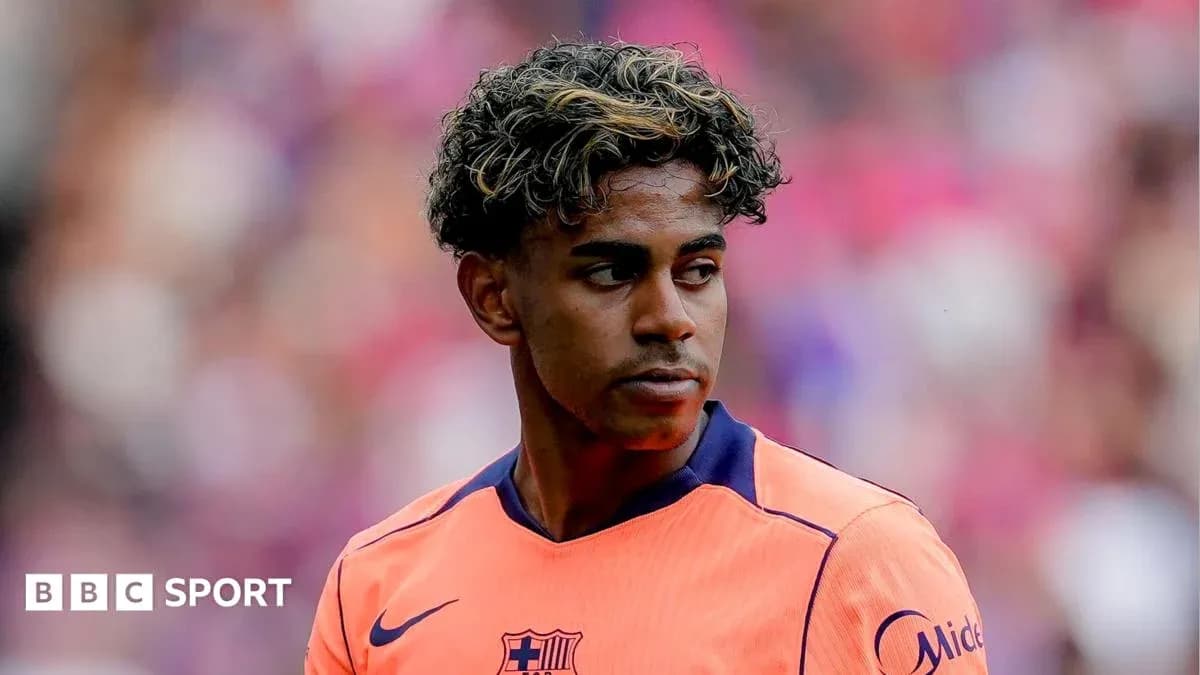
The most obvious internal answer is Lamine Yamal. Still a teenager, already the attacking focal point of the team, he is coming off a season in which he scored 24 goals and lifted the World Cup with Spain. He can play as a false nine, dropping into pockets, linking play, dragging centre-backs into uncomfortable areas.
Yet that is not where Flick truly wants him.
Lamine Yamal’s greatest strength lies on the right, isolating full-backs, cutting inside and creating chances from angles that look impossible. Flick’s preference is to keep him there, where he can terrify defenders one-on-one rather than spend his time wrestling with centre-backs.
Dani Olmo is another option as a false nine. Technically sharp, intelligent between the lines, he can operate in tight spaces and knit attacks together. Raphinha has also been used centrally under Flick, while Fermin Lopez has said he is comfortable stepping into that false-nine role as well.
Gordon and Adeyemi offer raw speed and directness. They can run in behind, press aggressively and stretch defences vertically. Neither, though, is a conventional number nine who lives between the posts.
A fluid front line – or a missing piece?
One route for Flick is to lean fully into the chaos.
Barcelona could play with a rotating front line, no fixed striker, constant movement. Lamine Yamal drifting in from the right, Olmo or Raphinha dropping off the front, Gordon and Adeyemi spinning into the channels. Centre-backs would have no single reference point, no one to mark, just a blur of position swaps and angled runs.
That kind of system could be a nightmare to defend. It could also demand near-perfect execution every week.
Because there is still a reason coaches crave a specialist number nine. A striker who stays between the posts, pins defenders, finishes half-chances and turns tight games. Someone who turns all that creative work from Rodri, Lamine Yamal and the rest into something tangible on the scoreboard.
Barcelona know it. Flick knows it. The squad feels close to complete, yet that one missing piece looms larger with every passing day of the window.
They can gamble on fluidity. Or they can find a striker who fits the profile they want and pay what it takes.
By 1 September, we will know which path a champion has chosen.