Barcelona's Striker Dilemma: Three Profiles to Consider
Barcelona went into this summer with one clear fantasy up front: Julián Álvarez in a blaugrana shirt, leading the line at Montjuïc and then at the rebuilt Camp Nou. Eli Junior Kroupi quickly emerged as the fallback dream, a younger, more speculative swing.
Reality has hit hard.
Atlético Madrid have shut the door on Álvarez and bolted it. Every attempt to even open formal talks has met a firm refusal. On the Kroupi front, Bournemouth have been just as blunt: he’s not for sale. A metatarsal injury that will keep the youngster out for three to four months all but kills any short-term move anyway.
So Barcelona are back where they started, only with less time and fewer obvious solutions. The need for a striker hasn’t gone away. The shortlist has.
What’s left is a choice of direction rather than a simple name on a board. Three very different profiles still make sense — each one a statement of what this club wants to be in the next two or three years.
Viktor Gyökeres: The instant upgrade
If the priority is impact tomorrow morning, Viktor Gyökeres is the clearest answer.
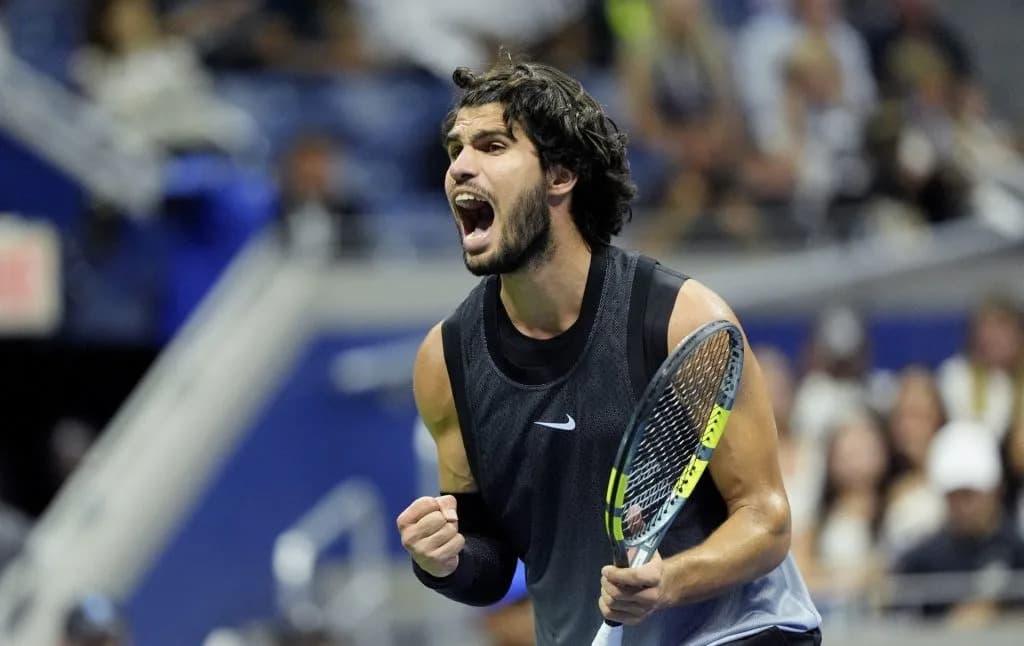
The Swedish international has grown into one of Europe’s most complete centre-forwards: ruthless in front of goal, powerful in transition, and relentless without the ball. He doesn’t just finish moves; he starts them, carries them, and often presses to win them back.
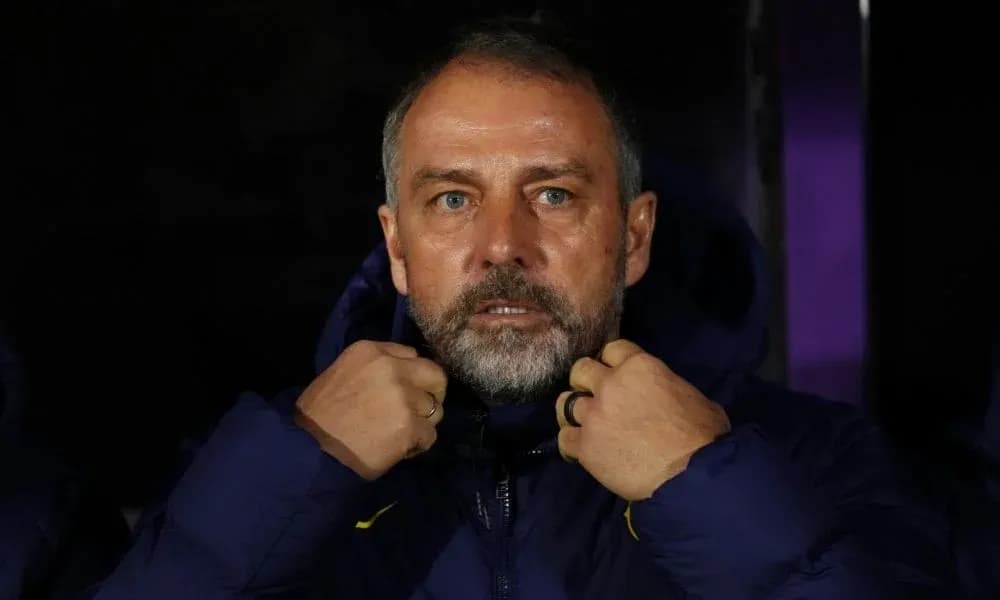
Gyökeres doesn’t fit the old stereotype of a Barcelona No. 9 standing between the centre-backs waiting for service. He drifts wide, attacks space, drags markers out of position and creates as much chaos for defenders as he does chances for teammates. In Hansi Flick’s aggressive, front-foot system, that blend of running power and technical quality would plug straight in.
The catch is obvious and expensive. At 28, Gyökeres is in his prime, not on the launchpad. Any move for him is a bet on the next three or four seasons, not the next decade. His transfer fee and salary would sit at the very top end of what’s available on the market.
Barcelona would be paying for what he is now, not what he might become. But if the board truly believes this squad can fight for the Champions League in the short term, there are very few forwards who could lift the attack as quickly.
Carlos Espi: The slow burn
At the other end of the spectrum stands Carlos Espi, a very different sort of decision.
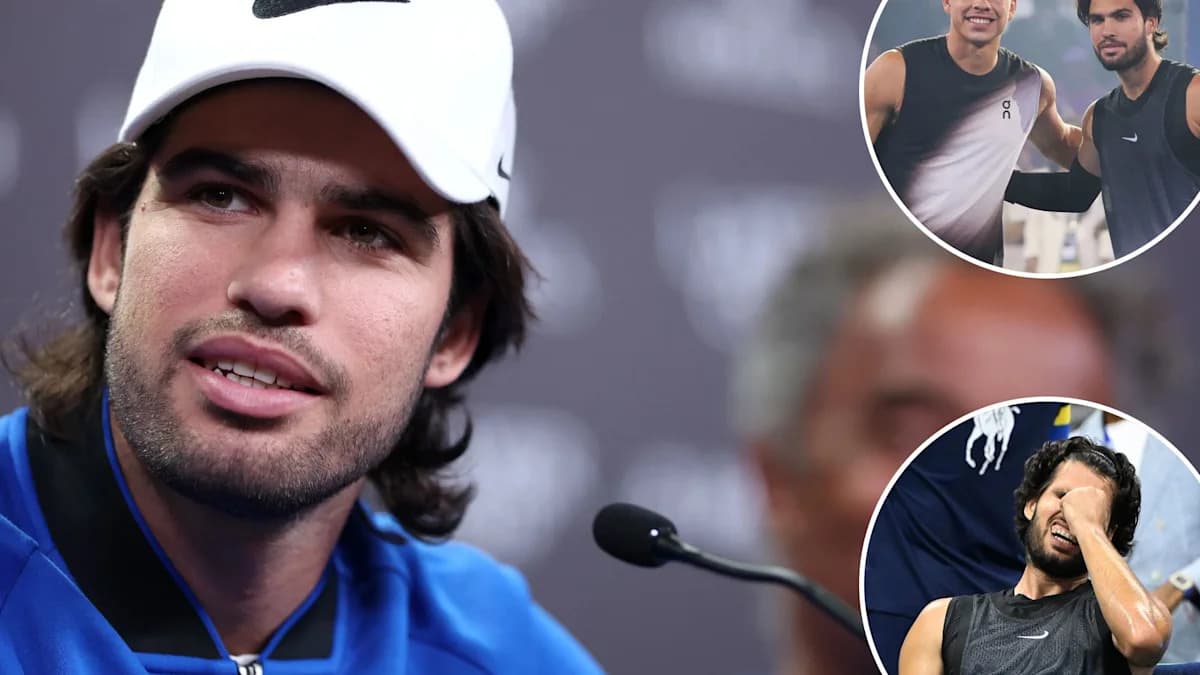
Espi is 21, Spanish, mobile, technically sharp and still miles from his ceiling. This is the kind of player Barcelona have often tried to catch early, before his value explodes and the rest of Europe crowds the door.
Signing him would not be about fixing the No. 9 problem in August. It would be about getting ahead of the market, banking one of Spain’s most promising young forwards and trusting the club’s own structure to shape him.
There are obvious risks. Young strikers rarely walk into the Camp Nou spotlight and dominate from day one. The demands are brutal, the scrutiny constant, and the margin for error tiny. Espi would need time, patience and a carefully managed role, with minutes controlled and expectations realistic.
That would mean starting the season with Ferran Torres as the senior option through the middle, with Espi learning in the shadows rather than leading the line. If the club genuinely believes in his ceiling, that apprenticeship could be worth the wait. The payoff, if it works, is a home-grown, long-term solution at a position that’s becoming impossibly expensive.
Serhou Guirassy: The practical fix
Somewhere between those two extremes sits Serhou Guirassy, the kind of name that doesn’t dominate headlines but often wins managers’ trust.
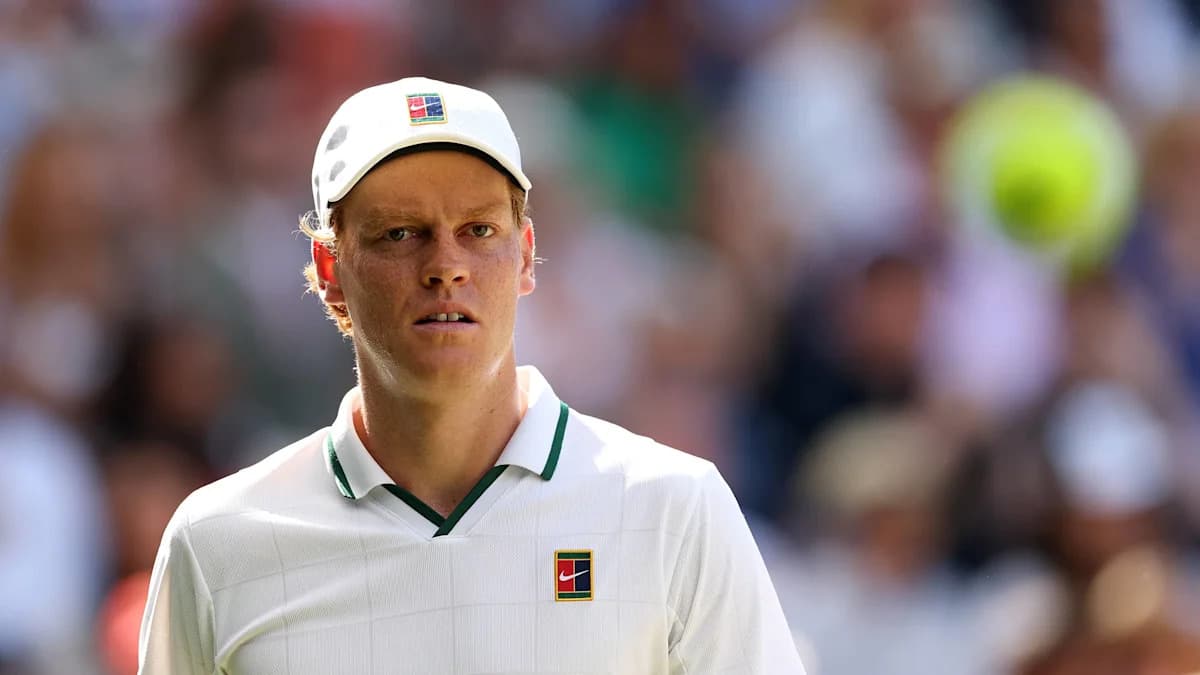
Guirassy is 30, a fully formed centre-forward who lives inside the penalty area. He scores, he occupies centre-backs, he links play with smart lay-offs and uses his strength to pin defences back. For a Barcelona side that often faces low blocks and crowded boxes, that profile is not a luxury; it’s a missing tool.
He would not arrive as a project. He would arrive as a solution. A striker who knows his job, understands the rhythms of Champions League football and can give Flick a different dimension when the intricate passing around the box isn’t enough.
The age question is unavoidable. At 30, Guirassy does not represent the long-term future of Barcelona’s attack, and his resale value would be minimal. But he also wouldn’t command the same transfer fee or salary as the elite names. In a tight financial context, that matters.
Not every signing has to be a 10-year plan. Sometimes a team simply needs someone who will score the chances that already exist.
A choice of identity, not just a name
Strip away the noise around Álvarez and Kroupi, and Barcelona’s dilemma is brutally clear.
Gyökeres is the “win now” move, a marquee forward who can change the face of the attack from the first whistle but demands a huge financial and sporting commitment.
Espi is the long bet, a developmental signing that trusts the club’s own pathway and accepts short-term growing pains for the possibility of a decade-long payoff.
Guirassy is the middle road, a proven finisher who offers immediate reliability without tying up the club’s budget for years to come.
What Barcelona cannot afford is a panic buy, a striker signed simply because the calendar says August and the squad list looks thin. Each of these profiles answers a different question about who this team wants to be.
Now the club has to decide: is the priority to chase glory right away, to build patiently for the future, or to accept a pragmatic bridge between the two?