Bayern’s Scoring Streak Ends as Kompany Justifies Bench Decision
The team that usually slices through opponents for fun left Gelsenkirchen with nothing but frustration and an unwanted milestone. At the Veltins-Arena, Bayern’s famed attacking machine finally fell silent, their run of scoring in 59 consecutive competitive matches snapped by a Schalke side that refused to budge and a goalkeeper who refused to blink.
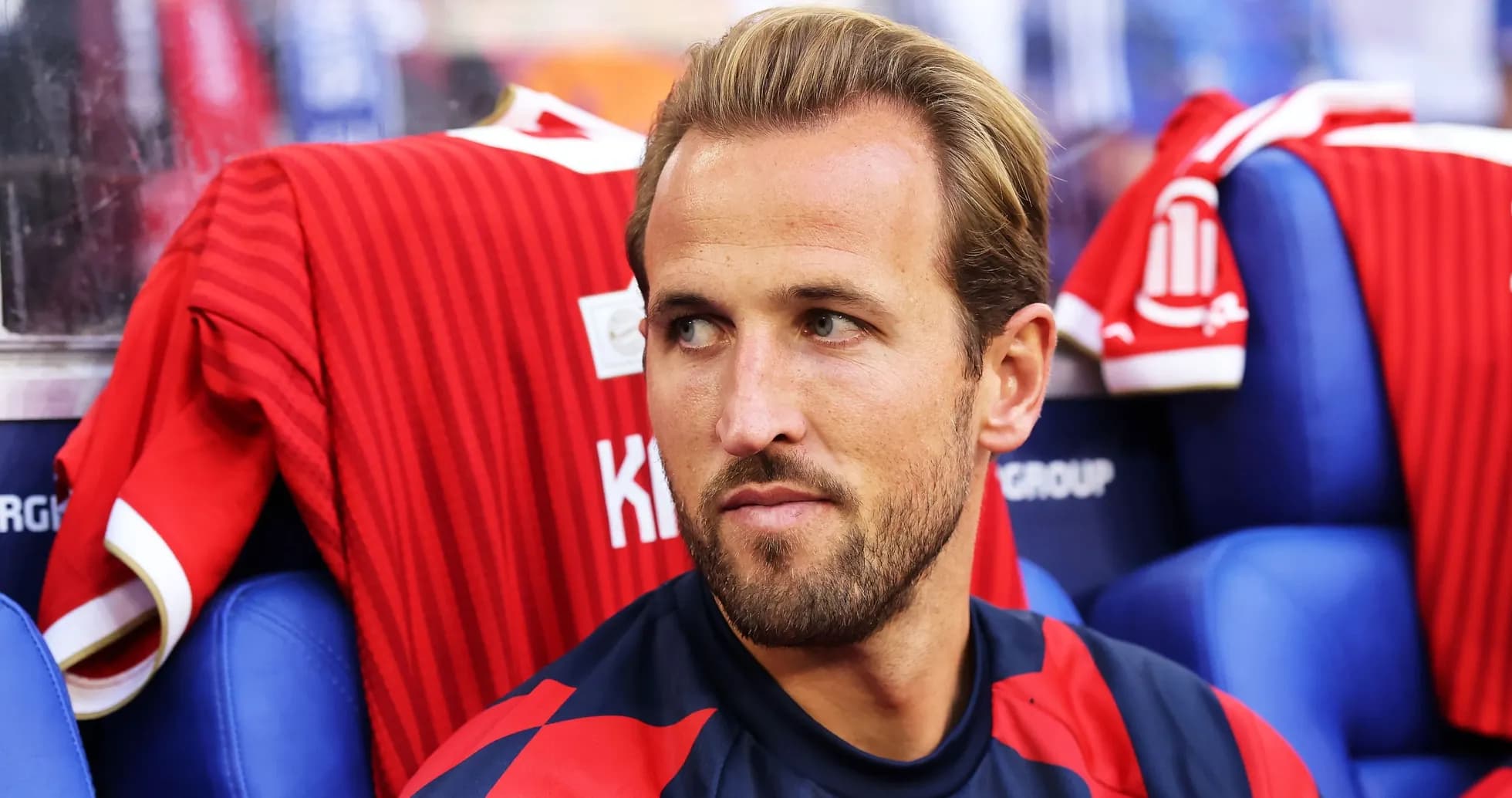
The big talking point started before a ball was even kicked. Harry Kane and Michael Olise on the bench. For a club built on relentless attacking power, it was a selection that jarred.
Bayern laboured without them in a first half that never really caught fire. The champions had the ball, they had territory, but they never truly had Schalke in panic. The hosts sat deep, disciplined, and waited. The longer it stayed goalless, the more restless the visiting bench looked.
Kane was sent on at half-time, replacing Nathaniel Brown, and the entire mood of the contest shifted. Suddenly Schalke’s back line had a fixed point to worry about, a striker who only needs one chance. Late on, it almost came.
Kane picked up the ball in space, wound up from distance and drilled a ferocious effort that screamed towards the top corner. It looked like the moment Bayern would extend their extraordinary scoring streak to 60 games. It looked, for a split second, inevitable.
Loris Karius had other ideas.
The Schalke goalkeeper, rebuilding his reputation in the Bundesliga, flung himself high and clawed the ball over the bar, a stunning save that drew a roar from the home crowd and a groan from the away end. It was the defining image of the night: Bayern’s star striker unleashed, yet denied by a goalkeeper in inspired form.
Olise’s entrance brought more threat. On as a second-half substitute for Lennart Karl, he darted into pockets of space and forced Karius into action from a tight angle. Again, the answer was the same. Strong hands. Clean handling. No rebound. No mistake.
After the final whistle, Vincent Kompany did not duck the decision that had dominated the pre-match build-up. The Belgian coach was clear: this was not about ego or drama, but about legs and load.
“The decision with Michael and Harry was simply completely rational,” he explained. “The two of them only came back very, very late from their holiday after the World Cup. It’s not a given that you can just say: ‘You play 90 minutes, 90 minutes, 90 minutes.’ The cup match in Osnabrück also took energy. You can’t always put that full workload on these guys."
It was a pragmatic answer on a night that underlined how thin the margins can be at the top level. Bayern’s failure to find a way past Karius did more than cost them two points; it closed the book on a remarkable era of relentless scoring.
That streak had stretched all the way back to July 2025, when a 2-0 defeat to Paris Saint-Germain in the Club World Cup left them empty-handed. Since then, 59 straight competitive matches had brought at least one Bayern goal. Different coaches, different line-ups, same outcome: the net would eventually bulge.
Not this time. Not in Gelsenkirchen. Not against this version of Schalke.
Kompany cut a composed figure as he assessed where it slipped away. He pointed not to bad luck, but to a lack of sustained, suffocating pressure against a deep, stubborn block.
“Every game has its own story,” he said. “Our story was that we didn’t score and the opponent went home without a shot. But that shouldn’t take anything away from Schalke. I’ve seen games like this plenty of times. You need 90 minutes of pressure against defenses like this until they crack. We didn’t quite manage that today because we took the tempo out of the game several times."
That was the crux. Bayern had control, but not constant menace. The tempo dipped, the intensity flickered instead of burned. Each pause allowed Schalke to reset, reorganise and believe a little more.
On the pitch, though, the night belonged to Karius. His performance was more than a series of saves; it was a statement. He dealt with crosses, smothered loose balls and produced those headline-grabbing stops when Bayern finally found space to shoot. For a goalkeeper whose career has been under the microscope for years, this was another step in a quietly impressive resurgence.
Kompany did not shy away from praising the home side’s resilience and their goalkeeper’s excellence.
“It was a beautiful football match with emotion and passion,” the Bayern trainer said. “There were also plenty of defensive situations in which something special always had to happen. Schalke managed that this evening, so congratulations. They did a great job and gave everything. You could see that."
The atmosphere inside the Veltins-Arena matched the effort on the pitch. Every block, every clearance, every Karius save was cheered like a goal. Schalke may not have registered a shot, but they left with something just as valuable: a clean sheet that will be remembered far longer than most goalless draws.
For Bayern, there is no time to linger on the end of a record or the debate around rotation. The calendar offers no mercy. The European campaign is about to begin, and with it a new stage and a new demand: respond.
Next week, the Allianz Arena welcomes Norwegian side Bodo/Glimt. It is a fixture that, on paper, Bayern will expect to control. In reality, it now carries an extra layer. This is no longer just the start of a Champions League journey. It is a test of how quickly Kompany’s team can rediscover their ruthless edge in front of goal.
The streak is gone. The standard remains. How Bayern answer that challenge on Thursday will tell plenty about where this season is heading.