Bellingham's Impact on England's Midfield Dilemma
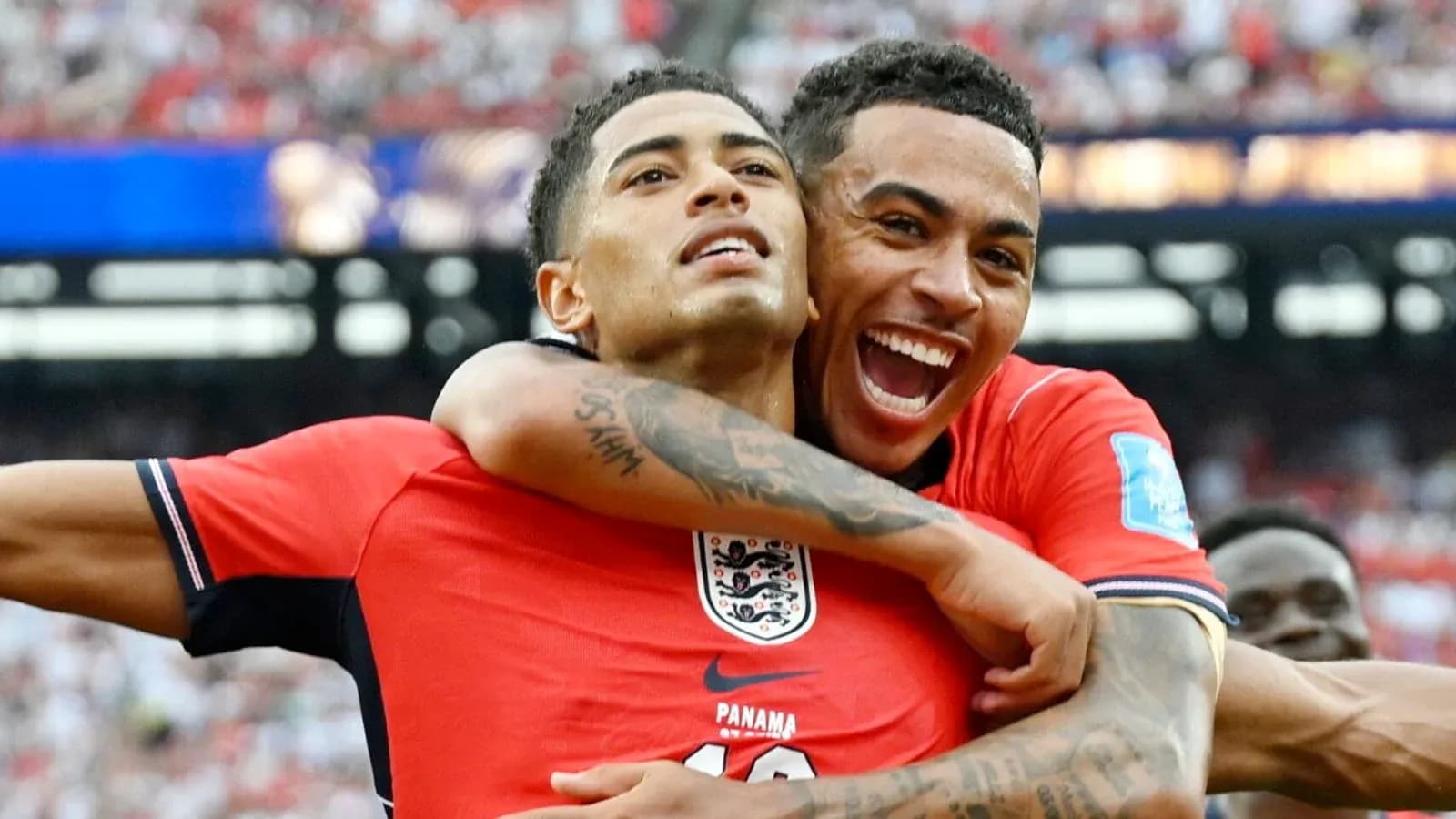
Thomas Tuchel walked away from England’s 2-0 win over Panama with the result he wanted and a fresh problem he didn’t. Jude Bellingham, unleashed from deeper in midfield, has just kicked the manager’s carefully drawn plans into the air.
The 21-year-old ran the game alongside Elliot Anderson, scoring one, making another and demanding the ball in every phase. It was the kind of all‑action performance that usually ends debates, not starts them. Yet with Declan Rice expected to return for Wednesday’s last‑32 tie against DR Congo, the question now is simple and awkward:
Where on earth do you put Bellingham?
Bellingham’s deeper masterclass – and the Rice question
Against Panama, Bellingham operated where Rice normally lives. He dropped in, dictated, then surged past markers from deep. Paul Merson saw enough to call it a “major problem” for Tuchel – not because Bellingham struggled, but because he excelled exactly where England’s midfield anchor is supposed to stand.
For Merson, Rice still plays if he’s fit. No debate. Against the tournament’s heavyweights, England will want his screening, his positioning, his calm when the game starts to tilt. That’s the non‑negotiable.
But Bellingham from deep offers something different – and dangerous. When he starts further back, opponents lose him. He can time his runs, burst beyond a packed midfield line and arrive where defenders don’t want to see him. Panama never really got a grip of him; by the time they spotted him, he was already gone.
The contrast with the Ghana game was stark. There, Bellingham worked higher, closer to the No 10 pocket. Ghana dropped deep, crowded the central areas and starved him of service. Morgan Rogers then suffered a similar fate in the No 10 role against Panama, barely touching the ball. The space simply wasn’t there.
From deeper, Bellingham finds grass to run into. As a No 10, he finds traffic.
So Tuchel stares at the board: Rice is in. Bellingham has to be in. But then what?
The No 10 conundrum
One option is obvious on paper and ruthless in reality: pair Rice with Bellingham and leave Anderson out. It gives England power, technique and drive in the middle, but it opens up a new issue in front of them.
Who plays as the No 10, and how do England actually get the ball into that player?
Rogers didn’t “have the game of his life,” as Merson put it, but this isn’t just about one off‑colour performance. It’s about a pattern. Against deep, disciplined blocks, England’s central creator is being choked out of matches.
Merson’s point is blunt: whoever wears the No 10 shirt – or even the No 8 – needs the ball early and often. Against Ghana, Bellingham kept showing, kept moving, kept asking. The passes never came. England’s reluctance to thread balls into tight pockets left their best midfielder stranded in safe areas.
He reaches for the Messi example to underline it. Argentina feed Lionel Messi in crowded zones, trusting his touch, his vision, his ability to wriggle free. Bellingham is not Messi, Merson stresses, but he is brave enough to receive in similar spaces. England, though, still look hesitant to risk those passes.
Now comes DR Congo, another side expected to sit deep with “10 behind the ball”. If Tuchel pushes Bellingham back up to No 10, he risks dropping him straight back into the congestion that blunted him against Ghana. If he keeps him deeper, he has to solve the vacancy further ahead.
Either way, England must work out how to funnel the game through their key creators, not just around them.
Wide men stuck in second gear
The midfield puzzle is not the only concern. Out wide, the dial hasn’t moved much either.
Against Panama, Marcus Rashford saw plenty of the ball in the first half. The end product never really arrived. He got the start many had demanded over Anthony Gordon, but he didn’t seize the stage.
On the other flank, Bukayo Saka looks short of his usual spark. There’s a suspicion he might be carrying a niggle, but nothing confirmed. What is clear is Merson’s view: Saka still has to play. In the big games, he is too important, too decisive over the long run to leave out.
Right now, England’s wingers are ticking along at what Merson calls “a six out of 10”. Not disastrous. Not decisive either. In a tournament where knockout ties are often cracked open by one moment from wide, that matters.
The positive spin? None of them have really caught fire yet. If even one or two ignite as the stakes rise, Tuchel suddenly has match‑winners arriving on cue rather than on hope.
England still searching for top gear
Across three group games – Croatia, Ghana, Panama – Merson scores England at “seven out of 10”. Competent. Professional. Not yet terrifying.
They did what they needed to do. They have not, in his eyes, hit their ceiling. That can be a strength in tournament football. The danger is assuming you can just flick the switch when the opposition improves.
“You just can’t turn it on and off like a tap,” Merson warns. You build. You grow. Game by game.
That process has to accelerate now. DR Congo in the last 32 is not a free hit; it’s the start of the real examination. France look “phenomenal” going forward. Spain will keep the ball and keep you alive in games but still hurt you. Colombia, who impressed Merson with their pace and energy against Portugal, understand the conditions and carry a threat.
This World Cup feels open. Plenty of teams have one or two players who can ruin your night in a heartbeat. On any given day, anyone with a coherent plan and a hot hand can go deep.
England sit in that group. They’ve had reality checks – against Ghana, and even in patches against Panama. They’ve also had glimpses of something sharper: the control against Croatia, the Rice‑less fluidity that Bellingham brought from deep, the sense that there is more to come from the wide players.
Tuchel has a midfield headache, yes. But it is the kind managers quietly crave: too many good options, not enough spaces. Solve that, coax another level from his wingers, and England’s seven out of 10 suddenly looks a lot more dangerous.
They are still in the tournament. While they are, they have a chance to win it. The real question now is not whether England can raise their game.
It’s whether they can do it in time.