Bruno Fernandes Stalls as Senne Lammens Shines for United
Another 90 minutes slipped away from Bruno Fernandes on Wearside, another chance gone to drag himself into the record books. The FWA Player of the Year arrived at the Stadium of Light chasing that elusive 20th and 21st Premier League assist. He left with neither, and with Manchester United trudging back down the A1 after a goalless draw that felt exactly like what it was: an end-of-season dead rubber, stripped of edge and short on quality.
Champions League football is already in the bag. The title race is someone else’s problem. In this lull, Fernandes’ personal pursuit has become a kind of shared obsession, his teammates visibly hunting for the killer pass that would pad the numbers of their captain. On Saturday, that urgency never really materialised. Nor did much of anything else.
Carrick’s shuffled pack misfires
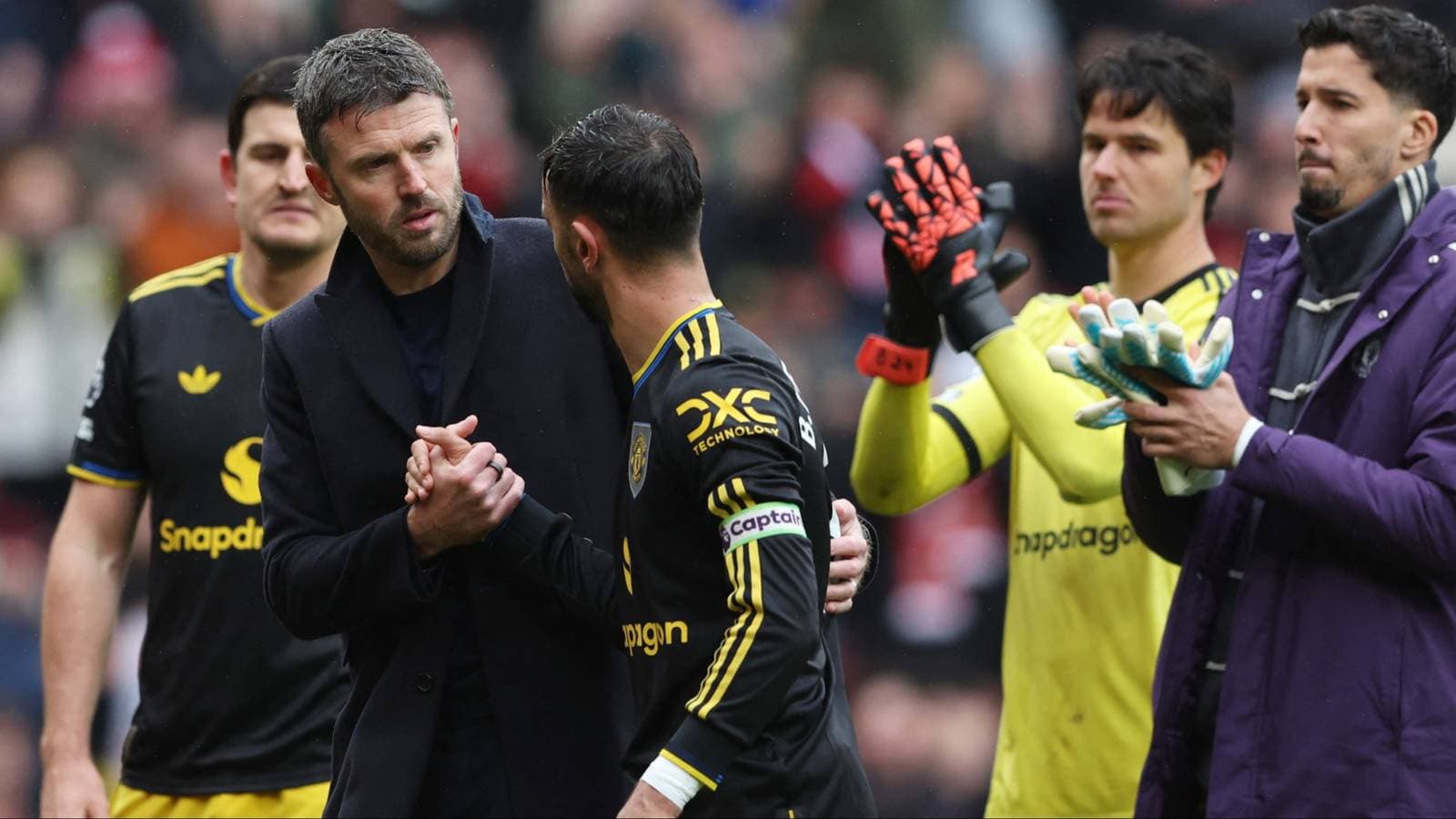
Michael Carrick rotated. He had to. A handful of notable absentees forced the interim manager into tweaks and compromises all over the pitch, but the result was a side with no rhythm and even less control.
United never really settled. Passes went astray, distances between the lines yawed open, and the visitors looked more like a group of strangers than a team with European football already secured. For the Old Trafford hierarchy, this was not the kind of audition that sharpens minds. It raised questions — about Carrick’s ceiling, about the depth and balance of this squad — and offered very few answers.
The pattern that did emerge was a familiar one: when Casemiro doesn’t start, United don’t win. For the fourth time this season, the Brazilian’s absence from the XI coincided with dropped points, and once again the midfield looked painfully thin without his presence.
Yet it was another compatriot who quietly underlined his importance.
Dalot’s rise, Mazraoui’s missed chance
Diogo Dalot has become one of the quiet pillars of this side since returning to his natural home at right-back. Every game he has started under Carrick, United have won. That run ended on Wearside, but not because of him — he wasn’t in the team.
In his place came Noussair Mazraoui, and the contrast was stark. Where Dalot has been assured, aggressive and increasingly influential in both directions, Mazraoui looked like a man trying to play his way into form and failing. He never imposed himself, never convinced, another squad player who let a rare opportunity drift by.
He was not alone. Joshua Zirkzee, making his first start of 2026, again drew a blank. The movement was there in flashes, the link play in moments, but the cutting edge was missing. Mason Mount, tasked with a deeper midfield role, struggled to dictate or even properly influence the tempo. His game felt cramped, his passing conservative, as if he were constantly glancing over his shoulder rather than stepping forward to take charge.
Amad’s unhappy return
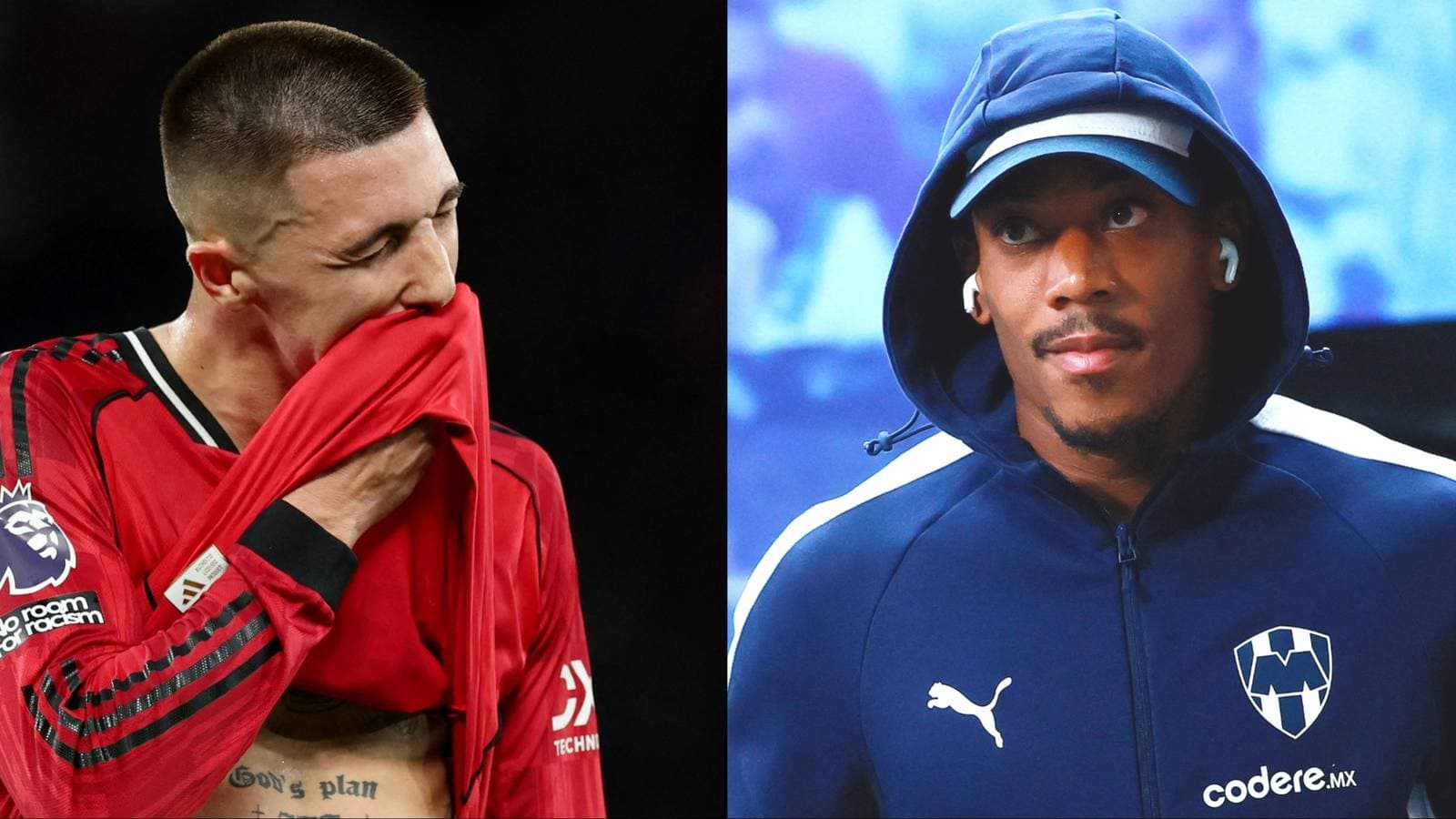
For Amad, this was meant to be a homecoming. Back at the Stadium of Light, where he once dazzled in Sunderland colours, he found only frustration.
Post-AFCON, the Ivorian is still waiting for a goal or an assist, and nothing in this performance suggested that drought is about to end. One completed dribble. No key passes. No moment to make the home crowd wince in recognition. He flitted on the fringes, never quite able to break the lines or unsettle the defence.
Even Fernandes, usually the man who bends messy games to his will, looked oddly subdued. He lost the ball 20 times from just 69 touches, forcing plays that weren’t on, searching for a spark that never came. United, as so often, leaned on him to rescue them. This time, he couldn’t.
And yet, for all their stumbles in front of goal, they did not lose. There was a reason for that.
The real player of the season
On paper, it feels almost absurd to argue that Manchester United’s player of the season is anyone but Bruno Fernandes. The captain is in the running to be the standout performer in the entire division. His assist numbers have gone into overdrive. His influence on United’s attacking play is undeniable.
But this is Bruno’s baseline now. Even in a turbulent 2024/25 campaign, he still racked up 38 goals and assists in all competitions. This is what he does.
Transformation is something else. Transformation is a team that spent months lurching from one goalkeeping crisis to another suddenly looking calm, ordered and secure in the most volatile position on the pitch.
That is Senne Lammens.
Signed for just £17m, the young Belgian arrived as a relative unknown, a supposed project behind Andre Onana and Altay Bayindir. He has become something far more than that. While chaos once swirled around United’s goal, it has now largely vanished. The noise has gone. The panic with it.
From his debut — also against Sunderland, fittingly — Lammens has looked like he belongs. No theatrics. No drama. Just clean handling, clear decisions, and a presence that settles the defenders in front of him. He was not supposed to be the No.1 this season. He has taken the role and made it look natural.
His only real blot in recent weeks came with a stray pass against Liverpool last weekend. Lesser keepers dwell on those moments. Lammens didn’t. At the Stadium of Light, he responded with exactly the kind of performance United needed when everything in front of him flickered and faltered.
Four saves, no fuss
Early on, he read Noah Sadiki’s effort perfectly, dropping, setting and springing to push the ball away with authority. After the interval, he stood up to Brian Brobbey at close range, again parrying the shot into a safe area rather than back into danger.
Those details matter. No fumbles. No wild parries into the six-yard box. Just firm, decisive interventions that killed attacks at source.
By full-time, Lammens had made four saves. At the other end, Robin Roefs had been called into action only once. That discrepancy told the story of United’s afternoon in brutal numbers: their attacking unit misfired; their goalkeeper ensured they still took something home.
Fernandes remains the face of this side, the man whose name sells shirts and dominates highlight reels. But look past the headlines and the award ceremonies, and it is hard to escape one conclusion: without Lammens, United’s season could look very different.
For the fee they paid, for the calm he has brought, for the way he has quietly turned a problem position into a pillar of strength, he has every right to be called their player of the season.
The captain chases records. The Belgian has rewritten the story of United’s year.