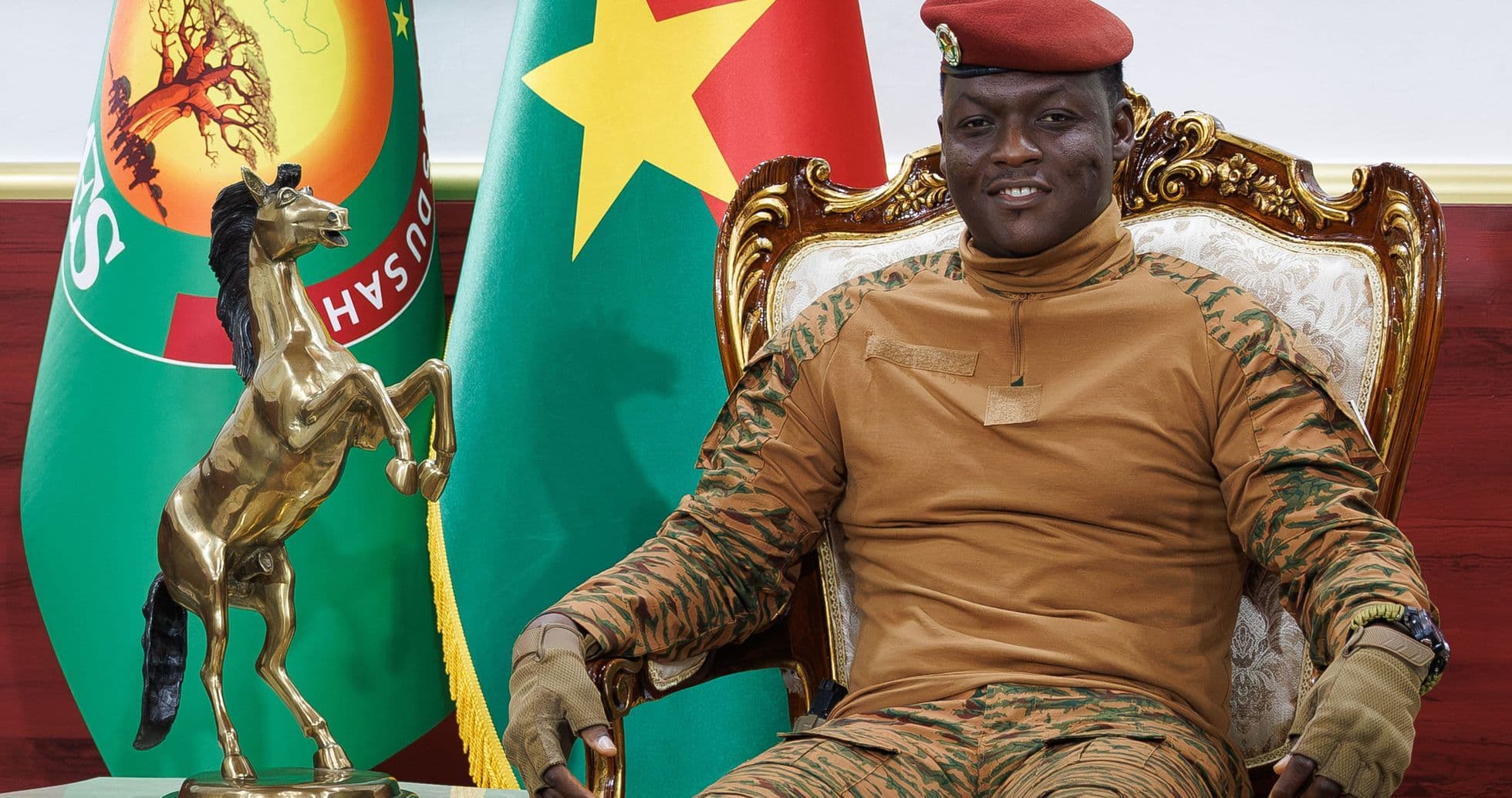
Burkina Faso Faces FIFA Suspension After President Threatens Football Federation Takeover Following Heavy Loss to Argentina
Burkina Faso could face a worldwide ban from FIFA after its transitional leader, President Ibrahim Traore, threatened a government takeover of the national football federation. This threat came in the wake of a humiliating 7-0 friendly loss against Argentina in Buenos Aires.
Travel Issues Expose Federation Mismanagement
The 7-0 defeat highlighted serious organizational problems within Burkina Faso's football delegation. The team struggled with transit visa complications and complicated flight itineraries that forced them into days-long travel. They arrived just hours before kickoff, missing several key foreign-based players.
The leadership under Colonel-Major Oumarou Sawadogo is under intense criticism for failing to ensure the team's basic travel and preparation needs were met.
President Traore Demands Major Changes
President Traore openly criticized the federation's management for neglecting the team's essential requirements. Speaking to French media outlet RMC Sport, he declared, "Our football is sick, and we will find the remedy. To invest again, we must cure the disease. I believe we have major decisions to make this week so that things can move forward."
He warned the federation leadership directly: "Until now, we didn’t want to interfere in your affairs, but now we have no choice. We have to do it, whether we get suspended or not. But if we intervene, it will be to get things organised and run properly."
Government Intervention May Lead to FIFA Sanctions
This push for state control clashes with FIFA rules, specifically Article 14 of its Statutes, which prohibits third-party interference in football federations. If the government dissolves the current executive committee or installs a parallel authority, FIFA would likely impose a suspension similar to sanctions previously enforced on Kenya and Zimbabwe.
A suspension would bar Burkina Faso’s national team from participating in World Cup and Africa Cup of Nations qualifiers, prevent domestic clubs from competing in CAF tournaments, and cut off FIFA Forward development funding.