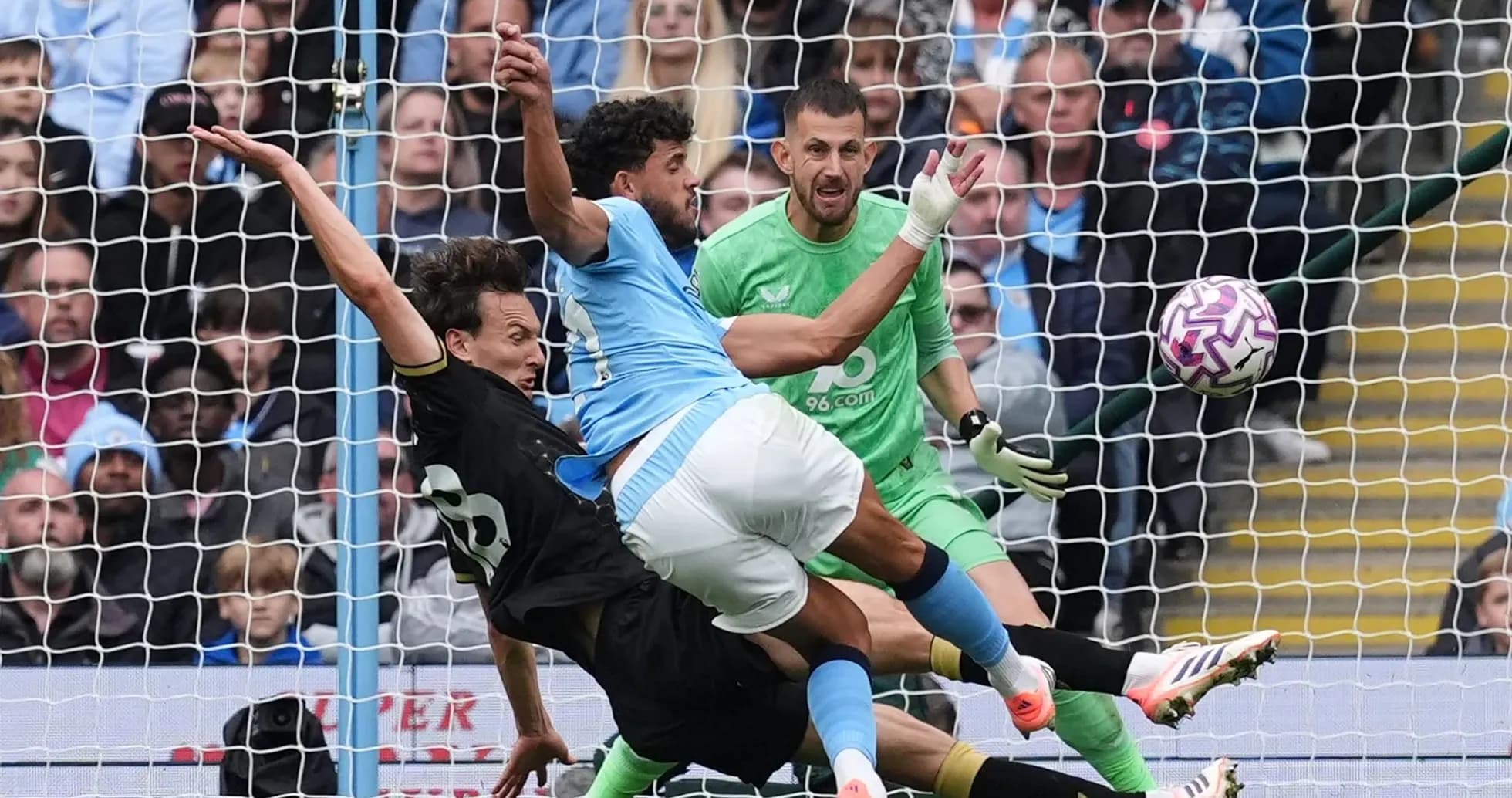
Burnley vs Manchester City: Premier League Showdown
Turf Moor stages a meeting of extremes in the Premier League in April 2026, as 19th‑placed Burnley host title‑chasing Manchester City in Regular Season round 34. With Burnley marooned in the relegation zone on 20 points and City sitting 2nd on 67, the stakes are starkly different: survival on one side, sustained pressure in the title race on the other.
Context: Form, Table and Pressure
In the league across all phases, Burnley’s numbers underline the scale of their task. They have just 4 wins from 33 matches (4‑8‑21), a goal difference of ‑33 and the worst defence in the division with 67 goals conceded. At Turf Moor, they have taken only 11 points from 16 games (2‑5‑9), scoring 15 and conceding 25. Their recent form line of “LLLDL” captures a side sliding towards the Championship.
Manchester City, by contrast, travel as one of the division’s form teams. Across all phases they have 20 wins from 32 league matches (20‑7‑5), with 65 goals scored and only 29 conceded. Away from home they are not invincible but still strong: 8‑4‑4 in 16 games, 27 scored and 17 against. Their form string “WWDDW” suggests a team that has rediscovered consistency at precisely the right time of the season.
The gap in quality is stark in the advanced metrics too. Burnley average just 1.0 goal scored per game and 2.0 conceded; City mirror that in reverse, averaging 2.0 scored and 0.9 conceded. This is a classic top‑versus‑bottom profile, with the added tension that every dropped point is now critical at both ends of the table.
Tactical Landscape: How Burnley Can Survive the Storm
Burnley’s season statistics tell the story of a team still searching for a stable identity. They have used seven different formations in the league, with 4‑2‑3‑1 (10 times) and 3‑4‑2‑1 (8 times) the most common, alongside spells in 5‑4‑1 and 4‑3‑3. That tactical fluidity suggests a coach trying to solve structural problems on the fly.
Against City, pragmatism is likely to win out. A back five (5‑4‑1) or compact 3‑4‑2‑1 would give Burnley extra bodies in the defensive half‑spaces, where City’s inside forwards and advanced midfielders typically operate. With Burnley conceding an average of 1.6 goals per game at home and having failed to score in 8 of 16 Turf Moor matches, the priority will be staying in the game as long as possible.
The injury list complicates matters. J. Beyer, J. Cullen, H. Mejbri and C. Roberts are all listed as “Missing Fixture”, removing options in central defence, midfield control and right‑back. Z. Amdouni is “Questionable” with a knee issue, which could strip Burnley of an important link player if he does not make it. Depth is an issue for a squad already stretched by a long relegation fight.
In attack, much will hinge on Zian Flemming, Burnley’s standout contributor in the league. The Dutch midfielder has 9 goals in 24 appearances, with 32 shots (19 on target) and a respectable rating of 6.82. He is also a key outlet in duels (224 contested, 93 won) and has converted 2 penalties from 2. If Burnley are to threaten in transition or from set‑pieces, Flemming’s timing into the box and his ability to hold the ball under pressure will be crucial.
Discipline is another concern. Burnley have picked up a notable spread of yellow cards, particularly in the 16‑30 and 76‑90 minute ranges, and have seen three reds across all phases. Chasing shadows against City’s possession game can easily lead to late tackles and bookings, and any dismissal would likely end the contest as a contest.
Manchester City: Control, Rotation and Haaland’s Edge
City arrive with a well‑defined tactical identity. Their most used formation this season is 4‑1‑4‑1 (12 times), with 4‑3‑2‑1 and 4‑3‑3 also prominent. All three shapes share the same principles: a single pivot to control transitions, two advanced interiors to create overloads, and a front line designed to stretch and pin back defences.
The one significant absentee is Rúben Dias, ruled out with a muscle injury. His absence removes City’s most authoritative penalty‑box defender and organiser, but their depth at centre‑back means they can still field a high‑quality pairing. Rodri is listed as “Questionable”; if he does not start, City’s structure in build‑up will be tested, as his ability to receive under pressure and dictate tempo is central to their model.
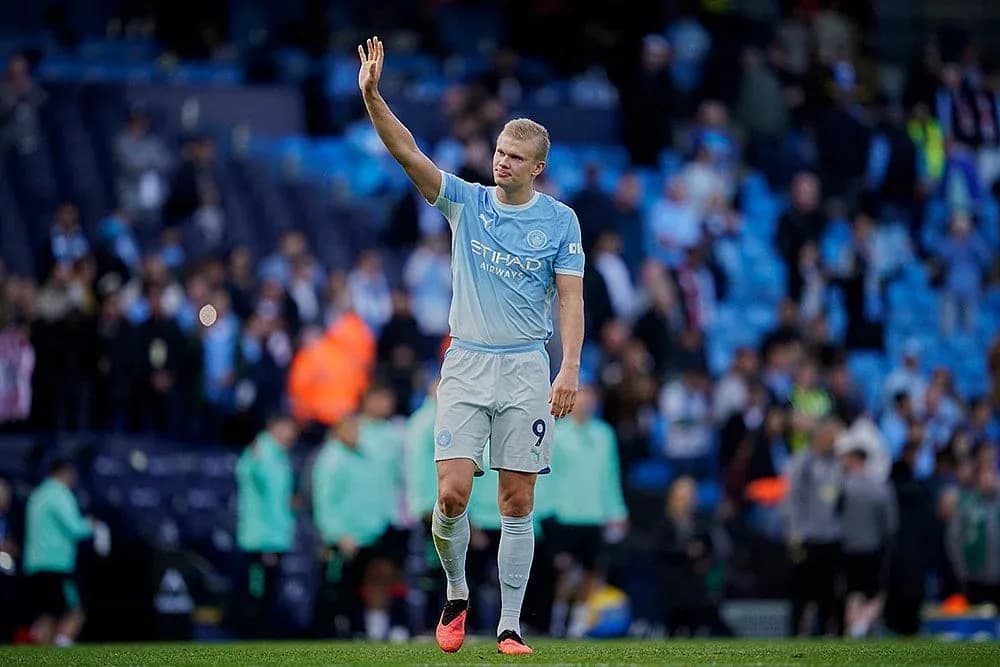
Up front, Erling Haaland remains the defining threat. In the league this season he has 23 goals and 7 assists in 31 appearances, with 91 shots and 51 on target. He is averaging a goal involvement roughly every 90 minutes, underlining his status as the division’s most decisive finisher. His penalty record this season is strong but not flawless (3 scored, 1 missed), so any spot‑kick is not quite a foregone conclusion, but his overall numbers in the box are devastating.
City’s attacking profile is balanced. They have scored 63 league goals across all phases, with 36 at home and 27 away, and their biggest wins include a 5‑1 at home and 4‑0 away. They also boast 13 clean sheets, including 6 on the road, and have failed to score in only 4 of 31 league fixtures. Against a Burnley side that has already conceded 67 times, the visitors will expect to create a high volume of chances.
Head‑to‑Head: One‑Sided History
The recent competitive head‑to‑head record is brutally one‑sided. The last five meetings across league and FA Cup, all since 2022, have all been won by Manchester City:
- Sep 2025: Manchester City 5‑1 Burnley (Premier League, Etihad Stadium)
- Jan 2024: Manchester City 3‑1 Burnley (Premier League, Etihad Stadium)
- Aug 2023: Burnley 0‑3 Manchester City (Premier League, Turf Moor)
- Mar 2023: Manchester City 6‑0 Burnley (FA Cup quarter‑final, Etihad Stadium)
- Apr 2022: Burnley 0‑2 Manchester City (Premier League, Turf Moor)
That gives City 5 wins, Burnley 0, and 0 draws in the last five competitive meetings, with an aggregate score of 19‑2. At Turf Moor specifically in that run, City have won 2‑0 and 3‑0, underlining their comfort in this fixture regardless of venue.
Key Match‑Ups
- Burnley defensive block vs City’s central overloads: Without Beyer and Roberts, Burnley’s reshuffled back line must cope with City’s rotations between the lines. Any hesitation in passing runners on will be punished.
- Flemming vs City’s holding midfielder: Whether Rodri is fit or not, City’s single pivot will need to track Flemming’s late surges. If Burnley can engineer turnovers and early passes into him, they have a route to goal.
- Set‑pieces: Burnley’s best route to a shock result is likely from dead balls. City’s aerial structure will be tested without Dias, while Burnley’s penalty record as a team (2 scored from 2) and Flemming’s perfect personal record from the spot offer a slim but real edge if they can force errors in the box.
The Verdict
All available data points to a Manchester City win. They score twice as many goals per game as Burnley, concede less than half as many, and have dominated this fixture historically, winning the last five competitive meetings by a combined 19‑2. Burnley’s injuries in defence and midfield further tilt the tactical balance towards the visitors.
Burnley’s hope lies in the intangibles of a home crowd, the desperation of a relegation fight, and the occasional volatility of football. If they can keep the game tight for an hour, frustrate City’s rhythm and create one or two high‑value chances for Flemming or from set‑pieces, an upset point is not impossible.
But on form, structure and depth, City should have too much. Expect the visitors to control possession, generate a steady stream of chances for Haaland, and extend both their unbeaten run and their dominance over Burnley at Turf Moor.