CAF President Motsepe Commits to Accept CAS Ruling on Senegal AFCON Title
The Africa Cup of Nations is over. The arguments are not.
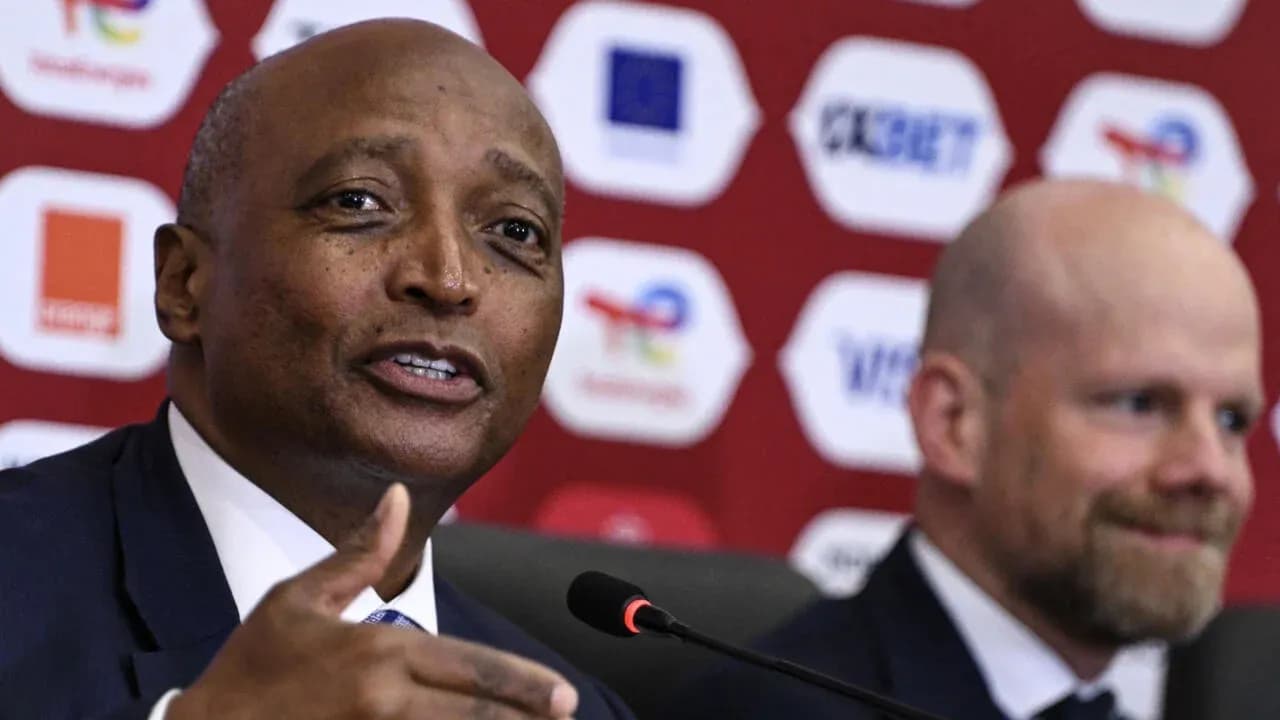
CAF president Patrice Motsepe stepped into the eye of the storm in Cairo on Sunday, insisting he will fully accept whatever the Court of Arbitration for Sport (CAS) decides over Senegal’s appeal against being stripped of their AFCON crown.
“I will respect and implement the CAS decision. My personal opinion regarding the matter is irrelevant,” Motsepe said, drawing a clear line between his office and the independent judicial process now looming over African football’s flagship tournament.
A final that refuses to end
The controversy stems from a febrile night in Rabat last month, when Senegal beat hosts Morocco 1-0 in the Cup of Nations final — or so everyone thought.
Deep into added time, with Senegal leading, Morocco were awarded a penalty. The decision ignited fury. Many Senegal players, head coach Pape Thiaw and members of his staff walked off the pitch in protest, leaving the final suspended in chaos.
They eventually returned. The tension was suffocating. Brahim Diaz stepped up and missed from the spot, and in extra time Pape Gueye struck what looked like a title-winning goal for Senegal. On the pitch, the Lions of Teranga celebrated a second continental crown.
A CAF disciplinary committee later moved in, issuing fines to figures from both camps for their roles in the melee. Crucially, it left the result intact. Senegal remained champions. For a while.
Then Morocco appealed. This time, the CAF appeals body delivered a seismic twist: it overturned the 1-0 result and awarded Morocco a 3-0 victory, effectively stripping Senegal of the title.
Motsepe, speaking in Cairo after a meeting of CAF executives, underlined that the appeal body operates at arm’s length from his presidency.
He stressed the panel is made up of independent judges and lawyers, a reminder that this was not a political call from the CAF hierarchy but a legal judgment now under scrutiny at CAS.
Two stars, one dispute
On Saturday night in Paris, Senegal sent a pointed message to the rest of the continent.
Before their 2026 World Cup warm-up against Peru, the team paraded the AFCON trophy. The players then took the field in shirts bearing two stars above the crest — one for their 2022 triumph, the other for February’s disputed victory in Rabat.
For Senegal, the title still belongs in Dakar. For CAF’s appeals body, it belongs to Morocco. CAS will now have the final word.
The image of those two stars will linger. It was not just a celebration; it was a statement.
Repairing trust
Motsepe, fully aware of the damage this saga has inflicted on CAF’s credibility, promised a reset.
He said he would travel to both Senegal and Morocco — without giving dates — to underline the need to “work together to grow African football.” The message was unity, but it came against a backdrop of deep frustration in both countries, for very different reasons.
CAF later issued a statement confirming that the organisation is rolling out “changes and improvements” to its statutes and regulations, aimed at shoring up confidence in referees, VAR operators and judicial bodies across the continent.
The goal is simple, and overdue: avoid a repeat of the scenes that scarred this final.
“These changes and improvements to the statutes and regulations will also ensure that the incidents that took place at the final… do not happen again,” the statement read, a tacit admission that the system buckled under pressure on African football’s biggest stage.
Power shifts in Cairo
There was another significant move inside CAF headquarters.
Motsepe announced that Nigeria-born official Samson Adamu will step in as caretaker general secretary of the Cairo-based organisation, replacing Veron Mosengo-Omba, who is retiring.
Mosengo-Omba, a former FIFA official from the Democratic Republic of Congo, has reached CAF’s mandatory retirement age of 66 for staff. His departure opens an important administrative chapter at a time when the confederation faces one of the most sensitive legal and reputational battles in its modern history.
CAF’s president has nailed his colours to the mast: CAS will decide, and CAF will obey.
What remains to be seen is whether a court ruling, however clear, can calm a continent still arguing over who truly won Africa’s biggest prize.