Chelsea Faces £10m Fine and Suspended Transfer Ban
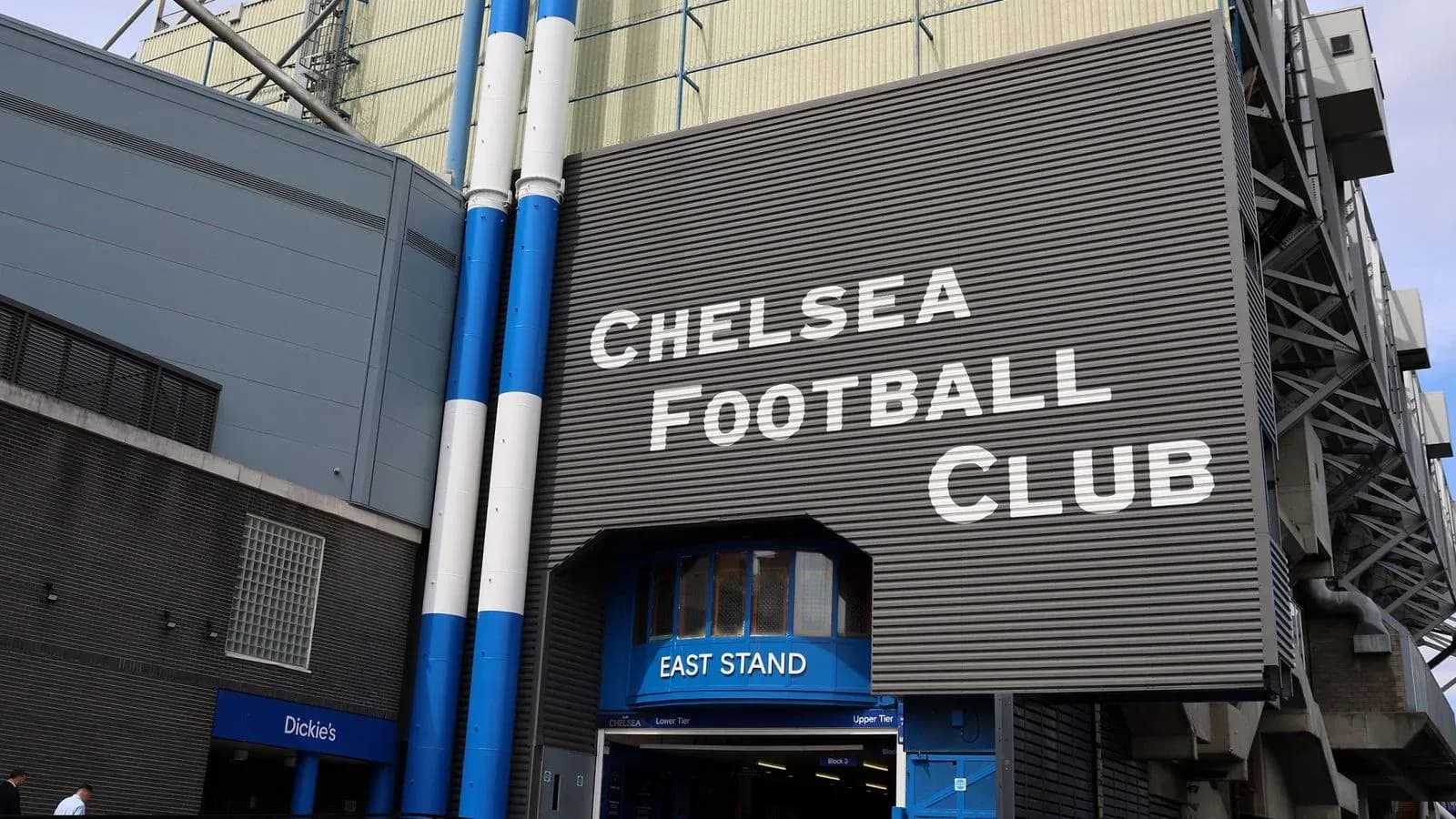
Chelsea have been hit with a £10m fine and a suspended two-window transfer ban after admitting sweeping breaches of Football Association rules on agents and intermediaries.
An independent appeal board delivered the verdict, reshaping an already severe punishment into something that cuts closer to the club’s current identity: a financial sanction and the threat of a future recruitment freeze, rather than an immediate stain on their league position.
Points threat scrapped, transfer ban hangs over club
An earlier independent commission had gone for the table. It imposed a suspended six-point deduction, hanging over Chelsea until June 30, 2027. The club challenged that decision.
On appeal, the points penalty was wiped away. In its place, the appeal board imposed a suspended two-window transfer ban – a punishment that goes straight to the heart of how Chelsea operate in the modern era. The ban will only come into force if the club commit further relevant breaches.
The £10m fine, originally set by the Regulatory Commission, stood untouched. It cannot be appealed and will be channelled into grassroots football.
Seventy-four breaches, one era under the microscope
The scale of the case is stark. The FA confirmed Chelsea admitted 74 breaches of regulations governing agents, intermediaries and third‑party investment in players.
These are not issues linked to the current recruitment drive under the new ownership. They belong to the Roman Abramovich years, a period of lavish spending and relentless squad churn that transformed the club on the pitch and now continues to echo off it.
The deals that raised flags during the 2022 takeover process are understood to include transfers for Eden Hazard, Samuel Eto'o and Willian. There is no suggestion of any wrongdoing by those players themselves, but the financial mechanics around some moves drew scrutiny.
Chelsea’s new ownership group, in the middle of buying the club from Abramovich in May 2022, unearthed the concerns and took them to the authorities. That decision – to self‑report – has shaped the entire regulatory response.
Self-reporting and a clean slate with regulators
In a statement, the club underlined that theme of cooperation.
Chelsea said they were “pleased to confirm that a final decision has been reached” by the FA’s judicial bodies over the “historical regulatory matters” they had self‑reported. The club stressed that, in 2022, they notified “all applicable regulators” of potential historical breaches and then worked “openly and transparently” with them, handing over many thousands of documents.
They have already struck settlement agreements with UEFA and the Premier League over the same issues. With the FA process now concluded, Chelsea say “this brings all regulatory proceedings against the club to a close” and expressed gratitude to all three governing bodies for their engagement.
The message is clear: the new regime wants to draw a bold line between itself and the accounting practices of the past.
Record fines and secret payments
This is not the first time the Abramovich era has cost Chelsea heavily since the takeover.
Earlier this year, the Premier League handed the club its biggest ever fine and a one‑year transfer ban, suspended for two years. That £10.75m sanction centred on secret payments to agents worth £47.5m between 2011 and 2018, and on breaches linked to the registration of youth players.
UEFA had already moved in July 2023, fining Chelsea £8.64m (€10m) for incomplete financial reporting in 2018 and 2019. At least six suspect payments to offshore companies tied to transfers were identified.
All of this sits against the backdrop of strict rules: clubs must provide accurate financial information every year to the FA, Premier League and, for those in European competition, UEFA. Chelsea’s previous ownership failed that test. The current one is paying the price.
A different kind of jeopardy
For a club that has built its modern identity on aggressive squad building, the suspended transfer ban is a pointed warning. It does not bite today. It might never be activated.
But it hangs there, a clear condition on Chelsea’s future behaviour. Any misstep in the regulatory arena now risks not just another fine, but the sudden loss of their most powerful tool: the ability to reshape the squad at will.