Chelsea Dominates Aston Villa 4–1: Joao Pedro's Hat-Trick
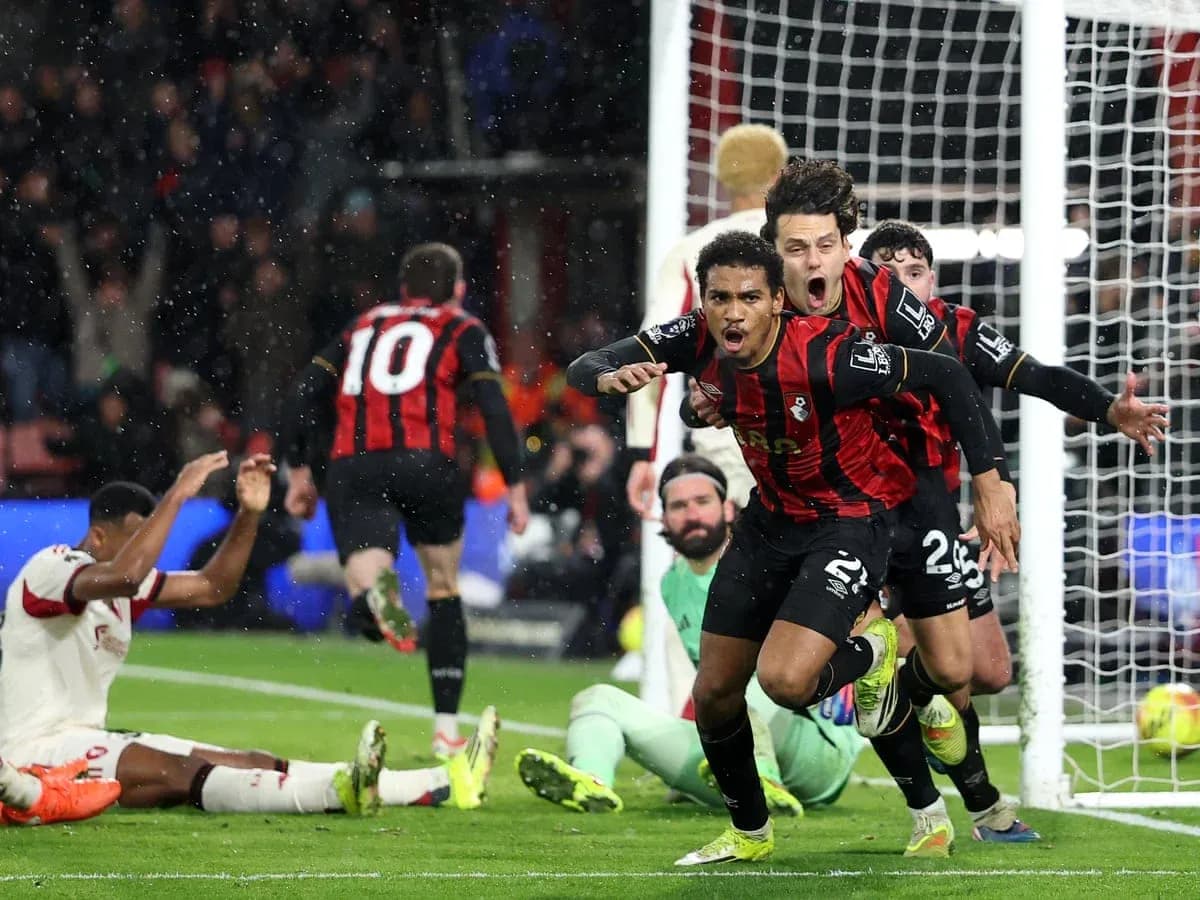
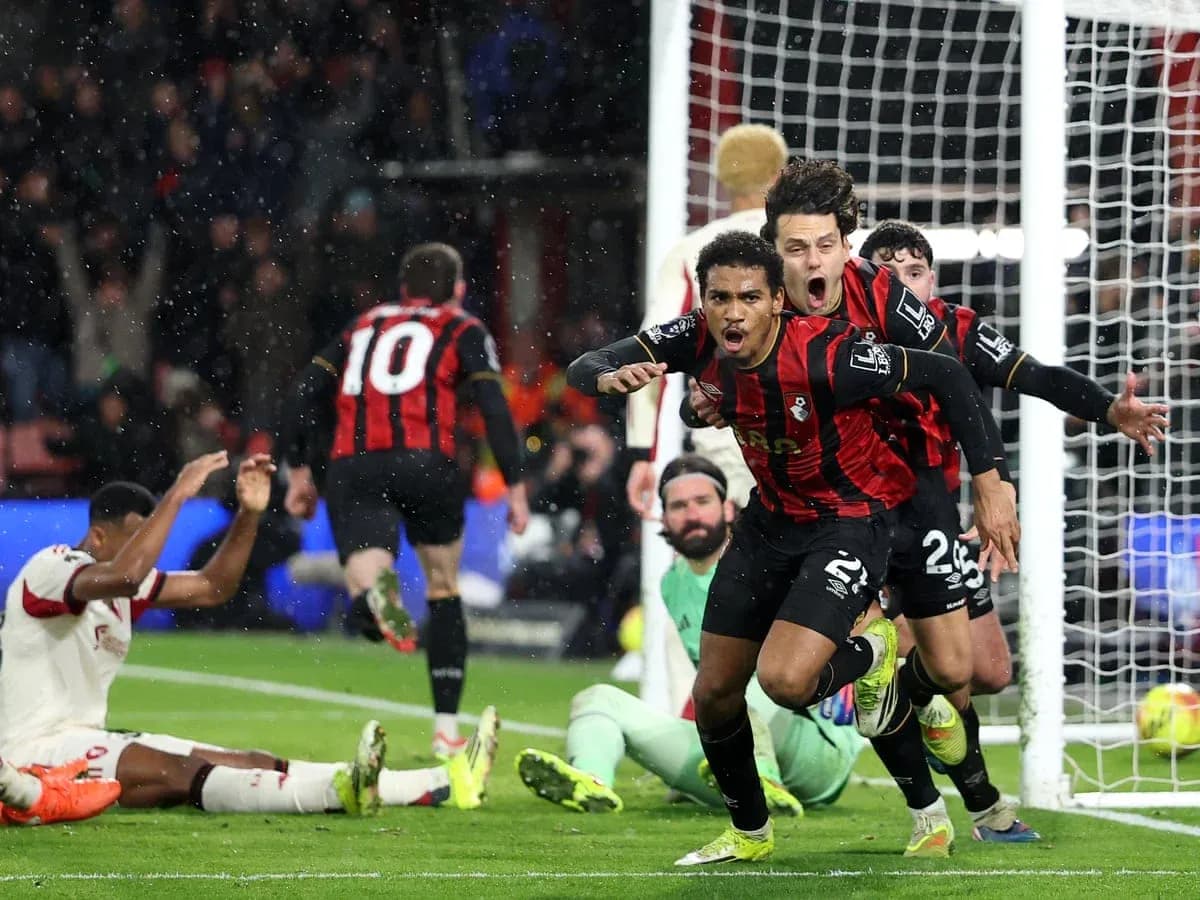
Under the lights at Villa Park, Chelsea produced one of their most complete away performances of the Premier League season, dismantling Aston Villa 4–1 to tighten what is becoming a fierce race for European places. Villa, who began the night 4th on 51 points, struck inside two minutes but were overwhelmed by Chelsea’s movement and aggression, with the visitors starting the evening 5th on 48 points and playing like a side intent on closing that gap. Joao Pedro’s hat-trick and a composed Cole Palmer finish underlined a display that matched the underlying numbers.
First Half Analysis
Villa flew out of the blocks. On 2', Douglas Luiz swept in a goal from open play, arriving from midfield to finish after Leon Bailey’s early incision from the right. It was precisely the sort of quick start a Champions League-chasing side craves, and for a while Villa looked buoyed by it.
But Chelsea gradually asserted themselves, using their 4-3-3 to stretch Villa’s 4-2-3-1. Enzo Fernández and Moisés Caicedo began to dictate in central areas, pulling Amadou Onana and Luiz into uncomfortable spaces. The turning point in Villa’s defensive rhythm came on 32' when Matty Cash, already under pressure from overlapping runs, was booked for a foul, forcing him to defend more cautiously.
Chelsea’s pressure told on 35'. Malo Gusto surged from right-back and delivered for Joao Pedro, who levelled with a goal from open play that reflected Chelsea’s growing territorial control. Villa thought they had restored their lead on 42' when Ollie Watkins found the net, but VAR intervened and the goal was cancelled, a psychological blow just before the interval. Worse followed on 45', as Joao Pedro struck again, this time finishing after neat work from Enzo Fernández. From leading on 2', Villa trudged off 1–2 down, their defensive structure increasingly exposed.
Second Half & Tactical Shifts
Unai Emery reacted immediately at the restart. On 46', Lamare Bogarde replaced Cash, who had been on a yellow card; the full-back was the player off, with the young midfielder on, prompting a reshuffle that saw Villa searching for more control in the middle while patching up the right side.
Chelsea, however, kept their foot down. Joao Pedro’s intensity earned him a yellow card for a foul on 54', but a minute later he was the creator. On 55', he slipped Cole Palmer through, and the forward finished a flowing move with another goal from open play to make it 3–1. Villa’s frustration surfaced on 58', when Morgan Rogers and Enzo Fernández were both booked for dissent in the same minute after a flare-up, symbolising Villa’s loss of emotional control as much as tactical grip.
Emery went to his bench in bulk on 63', making a triple change: Douglas Luiz was replaced by Ross Barkley, Emiliano Buendía made way for Jadon Sancho, and Bailey came off for Alysson. This was an attacking gamble, loading the pitch with creative and forward-thinking players in search of a route back into the game.
Instead, Chelsea killed it. On 64', Alejandro Garnacho teed up Joao Pedro, who completed his hat-trick with another goal from open play, punishing Villa’s loosened midfield and stretched back line. Villa’s night darkened further when Watkins, already frustrated by the earlier VAR decision, was booked for a foul on 68'. Four minutes later, on 72', he was withdrawn, with Tammy Abraham coming on to face his former club in a last throw of the dice.
Mauricio Pochettino then managed the game conservatively. On 75', Roméo Lavia replaced Gusto, adding fresh legs in midfield and shifting Chelsea towards structural control with the ball. On 79', Wesley Fofana went off for Tosin Adarabioyo and Enzo Fernández was replaced by Marc Cucurella, moves that solidified the back line and protected the lead. Finally, on 85', Palmer made way for Andrey Santos and hat-trick hero Joao Pedro was replaced by Liam Delap, allowing Chelsea to see out the contest with energy and defensive security.
Statistical Deep Dive
The numbers backed up Chelsea’s dominance. With 57% possession, they controlled the ball and tempo, while Villa, on 43%, focused on structural control without ever really unsettling Chelsea’s build-up. Chelsea’s passing was crisp: 565 total passes with 515 completed, a 91% accuracy that underpinned their ability to recycle and probe. Villa’s 431 passes and 371 completions (86%) were solid but reflected more reactive phases than sustained control.
In attack, Chelsea’s 15 total shots to Villa’s 9 told the story of territorial advantage, but the quality gap was even starker. Chelsea hit 8 shots on target and generated 3.6 xG, a figure entirely in keeping with a four-goal haul. Villa managed 4 shots on target and just 0.78 xG, suggesting their early breakthrough was more about sharp execution than sustained chance creation. Defensively, Chelsea’s back line made 1 block against Villa’s efforts, while Villa had to scramble to make 4 blocks, underscoring the siege their defence was under.
Discipline was relatively even but revealing. Villa committed 10 fouls to Chelsea’s 9 and collected three yellow cards (Cash, Rogers for dissent, Watkins) compared to Chelsea’s two (Joao Pedro, Fernández for dissent). The cluster of Villa bookings, particularly for dissent, mirrored their growing frustration as Chelsea pulled away on the scoreboard.
Standings & Implications
With Villa starting 4th on 51 points and Chelsea 5th on 48, the significance of this result is obvious. Chelsea’s emphatic win tightens the race for Champions League and Europa League places, reinforcing their momentum in a season where their goal difference of 19 already hinted at underlying strength. For Villa, with a goal difference of 5 and recent form reading LLDWD before this defeat, this heavy home loss raises questions about defensive resilience against top-half rivals. The battle between 4th and 5th now feels anything but settled heading into the run-in.