Chelsea's Defensive Woes: Can Alonso Fix It?
The noise around Xabi Alonso’s Chelsea is all about what happens when they have the ball. The patterns. The rotations. The chaos that JP Morgan causes every time he drifts into a pocket of space.
Nobody has worked out how to stop them scoring. Not once this season have they been kept out. You can almost pencil in at least one Chelsea goal before kick-off.
You just can’t trust them to keep one out at the other end.
Hull’s 2-2 draw at Stamford Bridge was another reminder that this is not a new issue and not just an Alonso teething problem. This was the 20th consecutive Premier League game in which Chelsea’s back line was breached. Twenty. For a club that once built title challenges on clean sheets and control, that number screams vulnerability.
Emi Martinez was supposed to be part of the solution. A World Cup winner, a multi-time Yashin Trophy winner, a goalkeeper signed to bring authority and calm. But if the defenders in front of him switch off, he may as well be Robert Sanchez. The badge on the gloves doesn’t matter when runners go untracked and second balls are left to chance.
Hull didn’t slice Chelsea apart with intricate football. They didn’t need to. Their 1.32 expected goals told the story: they were dangerous, but often because Chelsea made them so. Chances arrived not from genius but from gifts. Loose marking. Poor clearances. Basics ignored.
That is the frustration for Alonso. The attacking potential is obvious and genuinely exciting. Chelsea move through the thirds with speed and confidence, and when it clicks, they look like a side that could score against anyone.
But the manager learned his trade under Jose Mourinho. He knows what a serious contender looks like. It is not a team that has to score two or three just to feel safe at home to Hull. If Chelsea are going to turn promise into something more substantial, Alonso will have to drag this defence up to the level of his attack, make them nastier, more ruthless, far harder to break.
Until that happens, every Chelsea game will feel like a shootout they don’t need to be in.
Iraola’s Liverpool stumble when the schedule bites
Anfield bounced on Wednesday night. Andoni Iraola claimed the first Champions League win of his coaching career, against Atletico Madrid no less, and it felt like a moment. But that kind of night always looked likely to come at some stage this season.
The real question sat a few days down the line.
One of the defining storylines around Liverpool under Iraola was always going to be this: how would his high-intensity, front-foot style cope with a heavier workload? At Rayo Vallecano and Bournemouth he impressed, but without the relentless rhythm of European football on top.
Fulham at home, after Atletico, was the first proper examination of that.
Liverpool did not pass. The 0-0 draw was flat, short on tempo, and short on the trademark Iraola energy. They started slowly and never really shook themselves awake. Fulham earned their first point of the campaign and, by the end, looked just as likely to snatch all three.
Iraola’s unbeaten run as Liverpool boss rolls on, stretching back to the first week of January when he was still at Bournemouth. On paper, it looks strong. On the pitch, the last two home league games tell a different story: Nottingham Forest and Fulham have yielded only two points. That is nowhere near enough for a team with Liverpool’s ambitions.
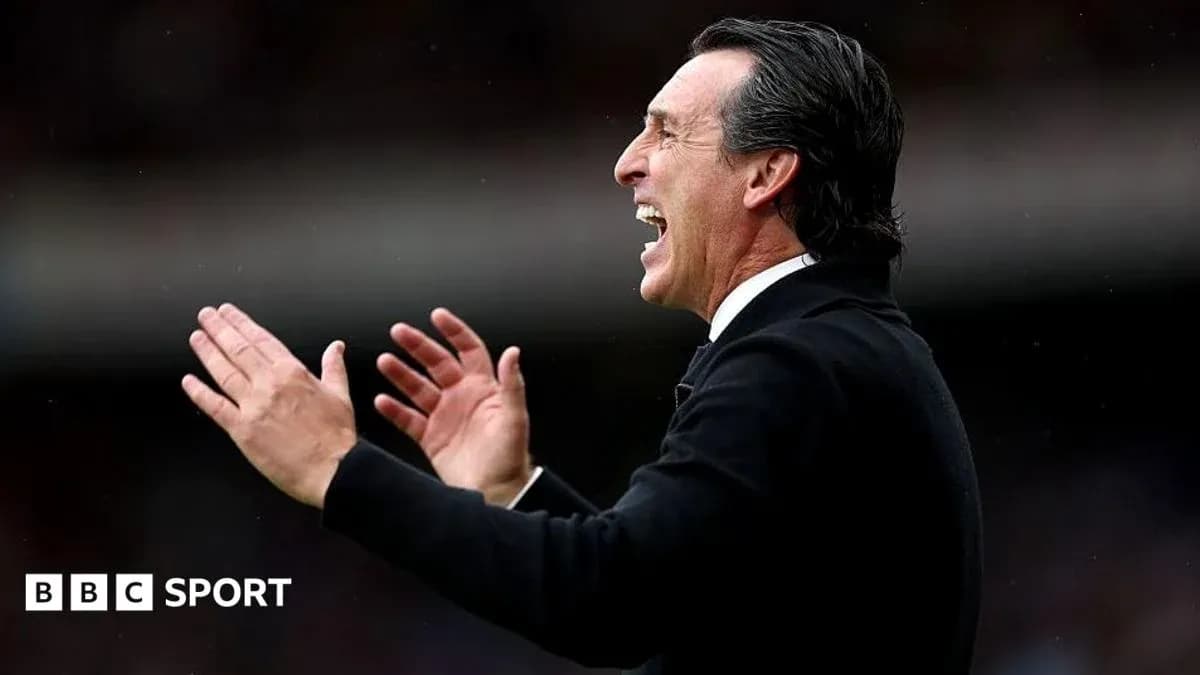
In his press conference, Iraola did not hide behind clichés. Asked whether fatigue was to blame, he said: “In the end, this is the easier one, for me, for you, for everyone - our players were tired. I think there is a lack of freshness, definitely. We cannot hide it.
“I think it's the worst turnaround in terms of 60-something hours between the games, after a very big game the other day. But this is going to happen more times, maybe with one more day, maybe.”
The schedule will not relent. The games will keep coming, the demands will not drop, and Liverpool cannot simply shrug and point at the clock. The onus now sits firmly on Iraola to find a way to keep his intensity without burning his team out. That is where seasons are defined.
Spurs spend big, but the goals go missing
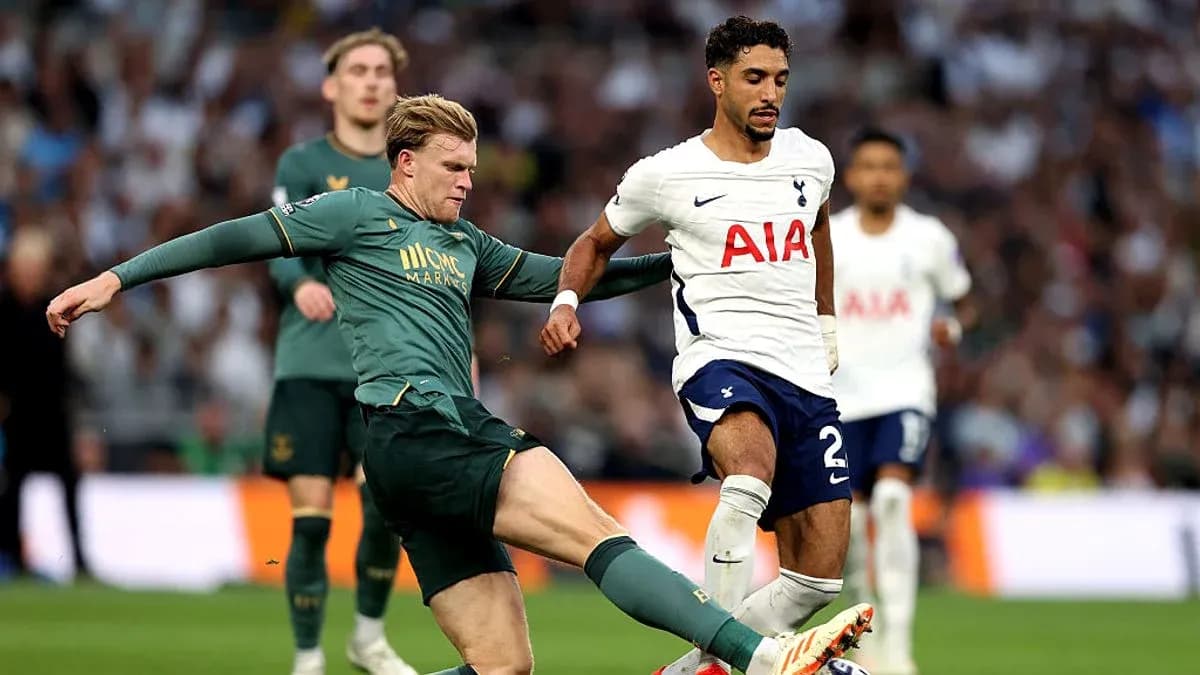
Tottenham’s problem is brutally simple. They do not score. You do not win.
Four hundred minutes without a league goal tells its own story. That is why Spurs are still searching for their first Premier League win of the season, despite the money spent and the talent on the pitch.
Against Everton, the creative players were there. The technicians, the passers, the ones who can see angles others can’t. They all featured. Yet the man meant to finish off the moves, the focal point of it all, barely registered. Either he drifted out of the game or his team-mates simply couldn’t find him.
The 0-0 draw laid it bare again.
Dominic Solanke’s fitness now feels absolutely critical to Tottenham. As the only genuine out-and-out No 9 available to Roberto De Zerbi, he becomes non-negotiable when fit. Not because of form, but because there is no alternative. Spurs are boxed in by their own squad build.
On this evidence, though, that is a fragile plan. Whether it was rust after his latest setbacks or something deeper, Solanke offered nowhere near enough as the central striker. Nineteen touches across the match. Less than Kinsky in goal.
For a side that wants to dominate the ball and the game, that statistic is damning. It leaves Spurs with an uncomfortable truth: they have invested heavily, they have crafted a team full of ideas, but without a functioning, involved No 9, the whole structure stalls in the final third.
The question now is stark. Do they find a way to spark Solanke into life, or accept that another major decision in the transfer market is already looming?