
On the shores of Lake Como, where the mountains fall into the water and tourists queue for boat rides, a football revolution has taken root. It began quietly, with a modest transaction in 2019: around €350,000 for a struggling club in Italy’s lower leagues. It has since become one of the most intriguing – and divisive – projects in European football.
At the heart of it were two Indonesian tycoons, brothers Robert Budi Hartono and Michael Bambang Hartono, who both passed away last week. Their money, vision and patience dragged Como 1907 from the brink of oblivion back to Serie A and into the global spotlight.
From bankrupt relic to billionaire project
This is not a club that used to dine regularly at the top table. Como’s golden flicker came in the 1980s, five straight seasons in Serie A and the sense that the little lakeside side could occasionally punch above its weight. Then the lights dimmed.
Apart from a brief return in 2003/04, Como drifted between the second and third tiers. Relegation from Serie A in 2004 was followed by bankruptcy. A second collapse in 2016 forced the club to auction itself off. For a while, it looked like the story would end in the courts, not on the pitch.
Akosua Puni Essien, wife of former Ghana international Michael Essien, tried to change that narrative. She bought the club for €237,000, but liquidity problems quickly choked the project. Como was back in trouble, again.
That was the opening the Hartono brothers seized. Through their entertainment company, Sent Entertainment Limited, they stepped in with the kind of financial muscle the club had never known. With an estimated fortune north of 40 billion US dollars behind them, they wiped out the debts of a fourth-tier side and set about plotting a route back to the elite.
The climb was steady, not wild. Promotion by promotion, structure by structure, Como returned to Serie A in 2024 and now sits among the league’s wealthiest ownership groups.
Wise, Uber, Ajax – and star power
Money alone doesn’t build a football club. The Hartonos moved quickly to import expertise and star wattage.
In 2021, former England international Dennis Wise arrived as managing director. He was given broad authority to reshape the club and assemble a squad that could climb the ladder. Wise stayed until 2024, long enough to put in place a modern framework and a recognisable project.
The commercial side accelerated just as sharply. Leveraging the owners’ global connections, Como landed Uber as main sponsor for the 2024/25 season – the American giant’s first foray into Italian sport. It was a statement: this was no longer just a provincial club; this was a platform.
In January 2025, Como signed a strategic partnership with Ajax Amsterdam, one of Europe’s most respected talent factories. By then, two iconic names had already been drawn into the orbit: Thierry Henry and Cesc Fàbregas.
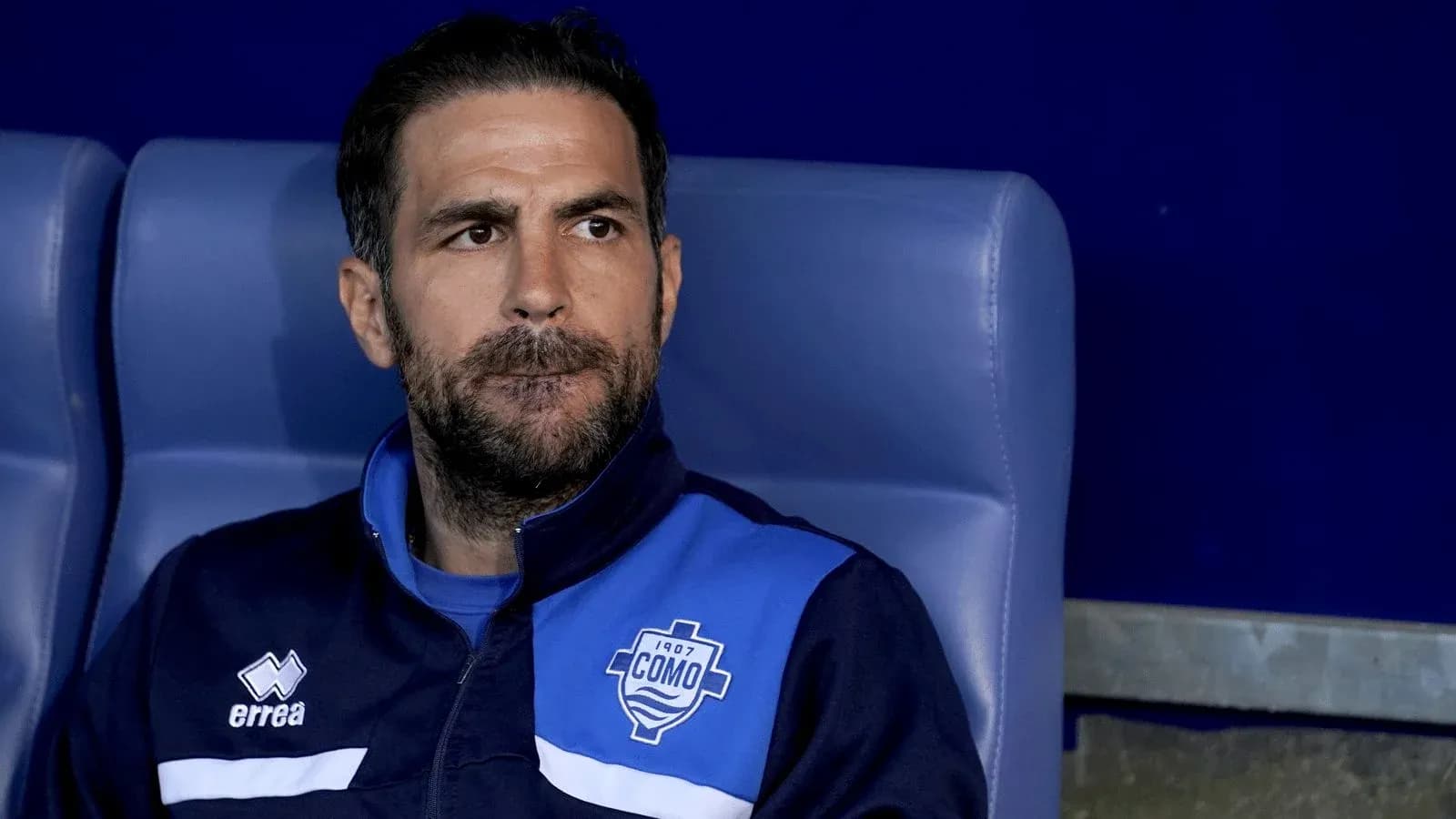
Henry joined as a shareholder, a symbol of ambition more than a day-to-day operator. Fàbregas went deeper. He played one season for the club, moved onto the bench as assistant coach, and in 2024 took full control as head coach. A World Cup winner on the touchline of a once-bankrupt lakeside club: the contrast could hardly be sharper.
A club that wants to be a destination
The Hartonos have never hidden that their vision stretches far beyond 90 minutes on a Sunday. They are not the classic investors who strip value and chase quick returns. Their stated ambition is broader: enrich the club, the city, the residents and the surrounding region.
This is where Como breaks from the RB Leipzig model or other corporate-backed projects that use football primarily as a marketing megaphone. The club’s strategy leans heavily on sustainability and integration with the local ecosystem.
Sometimes, it’s charmingly simple. Every newborn in the city’s hospitals receives a Como baby bodysuit, a tiny first step into club colours. Fourteen local bars have signed up to a quirky pact: when Como win a competitive match, guests get a round of drinks on the house. The message is clear – the club wants to be seen as a gift to the city, not an intrusion.
The stadium is central to this vision. Stadio Giuseppe Sinigaglia, opened in 1927, sits spectacularly on the edge of Lake Como, with a view that can distract even the most hardened ultras. The ground still belongs to the city, but plans are in motion for the club to take ownership and transform it.
Promotion in 2024 forced urgent renovation work on the near-century-old arena. That was only the beginning. Capacity currently hovers around 13,600; the owners want more seats, more facilities, more reasons for people to come even when there’s no match.
Their template? Disneyland.
The idea sounds audacious, but it is meticulously framed. Club president and Sent CEO Mirwan Suwarso laid it out in an interview with Italian outlet Calcio e Finanza. For Disney, the theme park is the beating heart. For Como, the football club and match-day experience should play that role within a larger entertainment complex.
Lake Como itself is the master brand. The city, the region and the club are to be marketed as one, with a lakeside park, a modern stadium and entertainment options that hum all week. Football is not the centrepiece, but a crucial piece of a wider ecosystem built around tourism, experiences and celebrity appeal.
Tradition versus transformation
All of this makes Como 1907 one of the most fascinating contradictions in Italian football.
On one side stands the postcard town: an idyllic, traditional community on the water, steeped in local identity and a certain small-town pride. On the other, a project with global ambitions, English-language branding and billionaire backing.
Tension was inevitable. Some fans already feel a distance opening up. The club’s social media presence leans heavily on English, a deliberate move to reach international audiences but one that chips away at the image of a classic Italian community club. Meetings between Como officials and representatives from Saudi Arabian clubs have only deepened the unease among sections of the support.
Then there is the footballing identity on the pitch – or, rather, the absence of a local one.
A global squad, an Italian void
For all the talk of regional benefit, Como’s contribution to the local football pipeline remains minimal. Not a single player in the first team comes from the club’s own youth system. Only two Italians feature in the squad at all: reserve goalkeeper Mauro Vigorito and defender Edoardo Goldaniga.
The numbers are stark. According to Corriere dello Sport, an Italian player has been on the pitch for Como this season for a total of one minute. Goldaniga came on in stoppage time of a 2-1 away win at Fiorentina in September and played 60 seconds. That’s it.
No other club in Serie A uses domestic players so sparingly. The next-worst side for minutes given to Italian players is bottom-of-the-table Hellas Verona, with 4,137 minutes. The gap is enormous.
It underlines the central paradox of Como 1907. A club that wants to anchor itself as a flagship for a region and a city has, so far, done almost nothing to reflect that region on the pitch.
The Hartono brothers have left behind a club with money, vision and momentum. The question now is whether Como can turn that into a project that feels as authentic to its people as it does attractive to the world.


