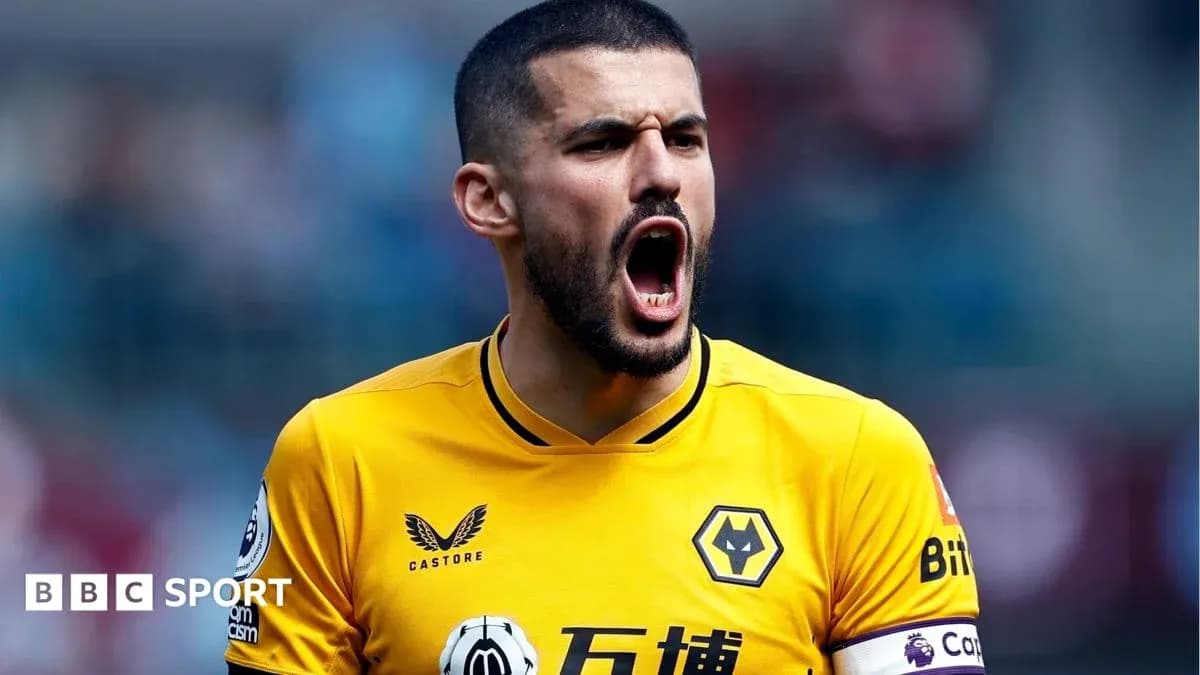
Conor Coady: Wolves’ Standard-Bearer Retires After 503 Games
Conor Coady never felt like a superstar. He felt like a captain. A constant. A voice.
At 33, the former Wolverhampton Wanderers skipper has called an end to his playing career, closing the book on a 503-game journey built on leadership, reliability and a refusal to stand still.
The ex-England defender, capped 10 times by his country, steps away from the pitch with the next phase already looming into view. Out of contract since leaving Wrexham in September, he has been strongly linked with a move into coaching, including a role as assistant head coach at League One side Barnsley.
From Liverpool Hopeful to Defensive General
Coady’s story began in the Liverpool academy, where he emerged as a promising midfielder, neat on the ball and tactically sharp. First-team chances at Anfield were scarce, so in 2013 he took the well-trodden route of a young English hopeful: a loan spell at Sheffield United.
That season-long stint gave him a taste of senior football’s demands. Huddersfield Town liked what they saw and signed him permanently at the end of that campaign. He was still a midfielder then, still learning, still searching for the role that would define him.
He found it at Wolves.
Signed by Kenny Jackett in 2015, Coady arrived at Molineux as a hard-working, versatile player. He left as the embodiment of a club reborn.
Under Nuno Espirito Santo, Coady’s career changed course. The Portuguese coach saw something different in him and dropped him into the middle of a back three. The experiment didn’t just work; it reshaped both player and team. From that central defensive role, Coady became Wolves’ organiser, quarterback and heartbeat rolled into one.
The Captain of a Revival
Promotion to the Premier League in 2018 was the moment Wolves stepped back onto the big stage, and Coady was central to it. His voice never stopped, his arms never dropped, and his standards never slipped.
He captained a Wolves side that not only survived in the top flight but imposed itself. Twice they finished seventh in the Premier League, muscling in on the European conversation and refusing to be overawed by anyone.
The run to the Europa League quarter-finals underlined that resurgence. While others grabbed the headlines with goals and flair, Coady anchored the side, reading danger, stepping out with the ball, and setting the tone with his organisation.
By the time his Wolves chapter closed, he had made 317 appearances for the club, scoring seven of his 22 career goals for club and country in gold and black. For a player never defined by numbers, those figures still tell a story of durability and trust.
England Recognition and the Late-Career Circuit
His consistency at club level eventually brought international recognition. Coady earned 10 England caps, a reward for his calm authority and tactical intelligence in a position where mistakes are magnified and composure is priceless.
In 2022, the long Molineux spell ended. Wolves allowed him to leave on loan for Everton, a move that kept him in the Premier League and gave him another stage on which to marshal a back line. Everton had the option of turning that season-long loan into a permanent £4.5m transfer but chose not to trigger the deal.
Leicester City then stepped in. In July 2023, they secured his signature for a reported £8.5m fee, banking on his experience to help guide a squad in transition.
The final stretch of his career became more fragmented. A short, ill-fated spell at Wrexham followed, never really settling or building into what either side had hoped. That chapter ended prematurely, and Coady made one last move, to The Valley, joining Nathan Jones’ Charlton on loan for the closing stages of his playing days.
The Next Voice on the Touchline
Across Liverpool, Sheffield United, Huddersfield, Wolves, Everton, Leicester, Wrexham and Charlton, one trait followed Coady everywhere: he led. Managers trusted him, team-mates leaned on him, and supporters recognised a player who emptied the tank.
Retirement at 33 might look early on paper, but his path already seems to curve naturally towards the dugout. Coaching links have arrived quickly, with Barnsley viewing him as a potential assistant head coach and his name circulating whenever leadership and dressing-room presence are mentioned.
He leaves the pitch not as a fleeting star, but as something rarer in the modern game: a standard-bearer. Now the question is simple — how long before that same voice, once so familiar at the heart of a back three, starts shaping teams from the technical area instead?