CSKA Sofia vs Qarabag: UEFA Europa League 2nd Qualifying Round Showdown
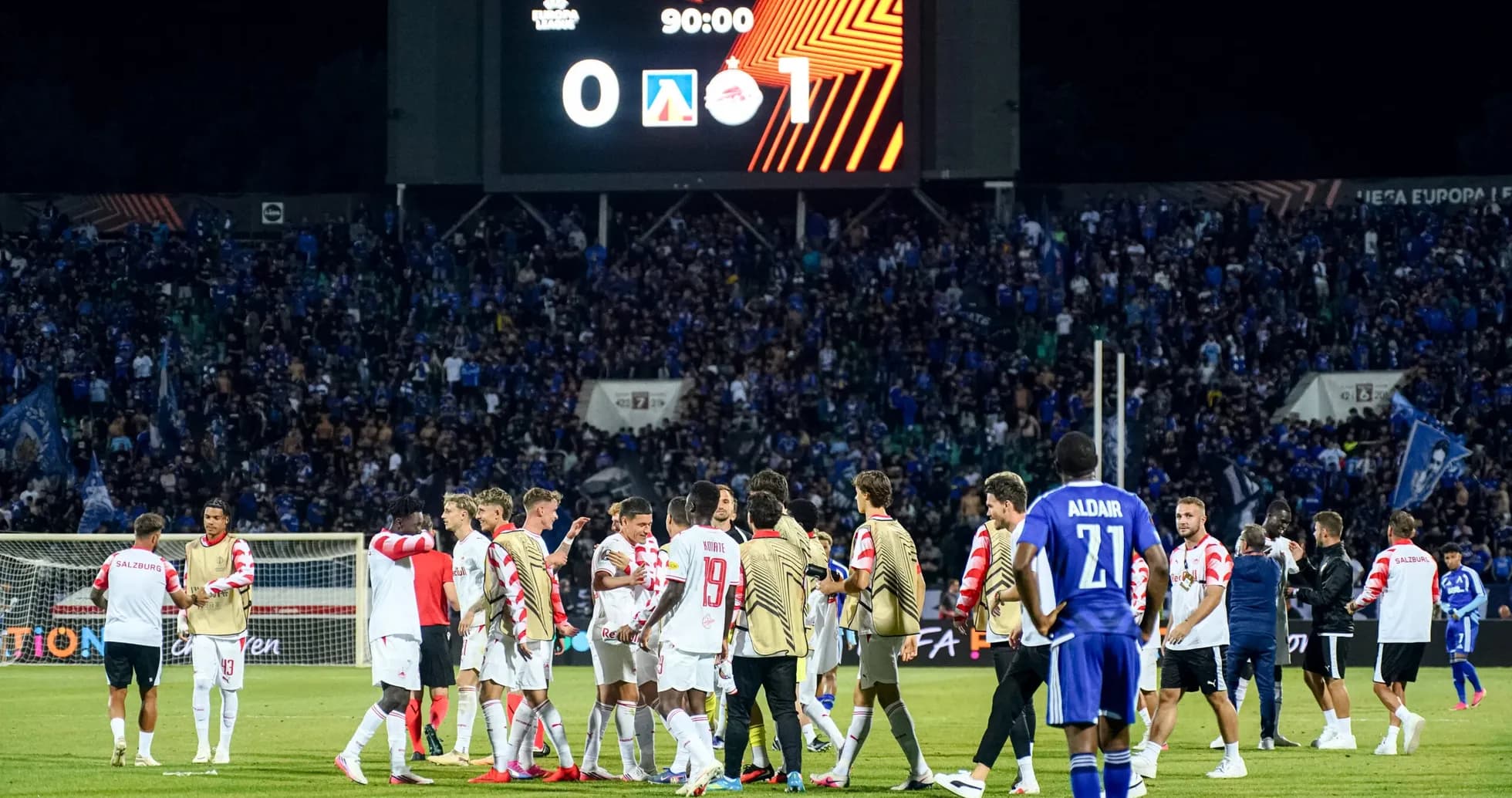
CSKA Sofia host Qarabag at the National Stadium Vasil Levski in Sofia in the second leg of a UEFA Europa League 2nd Qualifying Round tie, with progression to the next stage on the line after a 0-0 first leg in Baku. With no away-goal rule to lean on, this home match becomes season-defining for CSKA’s European ambitions and a key early checkpoint in Qarabag’s regular push to reach the main continental stages.
Head-to-Head Tactical Summary
The most recent meeting came on 23 July 2026 in Baku in this same qualifying round, where Qarabag and CSKA Sofia drew 0-0 at Azərsun Arena, a match that was goalless at half-time and full-time. A scheduled club friendly on 27 June 2026 between CSKA Sofia and Qarabag was cancelled and never played. Prior to that, on 4 July 2023 in a club friendly, CSKA Sofia lost 0-1 at home to Qarabag, trailing 0-1 at half-time and unable to respond. Earlier still, on 7 July 2021 in Fulpmes, CSKA Sofia again fell 0-1 at home in another friendly. Across the three completed matches, CSKA have yet to score against Qarabag, who have built a pattern of defensive control and narrow-margin results.
Global Season Picture
- League Phase Performance: There is no current group or league table data available for either side in this Europa League campaign, so their performance must be inferred from early qualifying-round results rather than standings for goals scored, goals conceded, or points.
- Season Metrics: In the league phase of this Europa League qualifying run, CSKA Sofia have played 3 matches, winning 2 and drawing 1, scoring 5 goals and conceding 3. Their attack has been relatively productive at home (3 goals in 1 match) but more measured away (2 goals in 2 matches), while defensively they allow an average of 1 goal per game. Qarabag, also over 3 matches, have 2 wins and 1 draw, with 6 goals scored and none conceded, reflecting a very efficient two-way profile: consistent scoring (2 goals per match on average) combined with complete defensive shutouts across all fixtures.
- Form Trajectory: Both teams show identical recent form strings of WWD, indicating two wins followed by a draw. For CSKA Sofia, that suggests a strong start with back-to-back victories before being held in Baku. For Qarabag, it mirrors a similar trajectory: assertive early wins and then a more cautious, controlled draw in the first leg of this tie.
Tactical Efficiency
CSKA Sofia’s early Europa League qualifiers point to a side that is open and slightly vulnerable: they score at a solid rate but concede regularly, with only one clean sheet in three matches. Their use of multiple formations (4-3-1-2, 3-5-2, 4-4-2) suggests tactical flexibility but also a search for optimal balance, and the spread of yellow cards across late-game periods hints at rising defensive pressure as matches progress. Qarabag, by contrast, have been tactically streamlined, using a single 4-2-3-1 setup in all three games and delivering three clean sheets. Their ability to win 3-0 at home and 3-0 away in earlier qualifiers shows both pressing power and compact defensive organisation. While both sides arrive in comparable raw form (two wins and a draw), Qarabag’s defensive efficiency and structural continuity give them a more reliable platform, whereas CSKA’s strength lies in their attacking variation and the potential to leverage home advantage if they can avoid being exposed in transition.
The Verdict: Seasonal Impact
This second leg is pivotal for both clubs’ 2026 European trajectories. For CSKA Sofia, elimination here would abruptly cap their continental exposure to a short qualifying run, limiting revenue, coefficient gains, and the competitive platform for the rest of the year; progression would validate their flexible tactical approach and keep alive ambitions of reaching the Europa League’s later stages. For Qarabag, who have built an early-season identity around clean sheets and a stable 4-2-3-1, going out after a 0-0 home draw would represent a significant underperformance relative to their usual qualifying standards, while advancing would reinforce their status as a reliable group-stage contender. The result will not directly decide domestic title races or relegation battles at this point in the calendar, but it will strongly shape each club’s resource base, fixture load, and psychological momentum heading into their national campaigns, with the winner gaining a clear early-season strategic advantage.