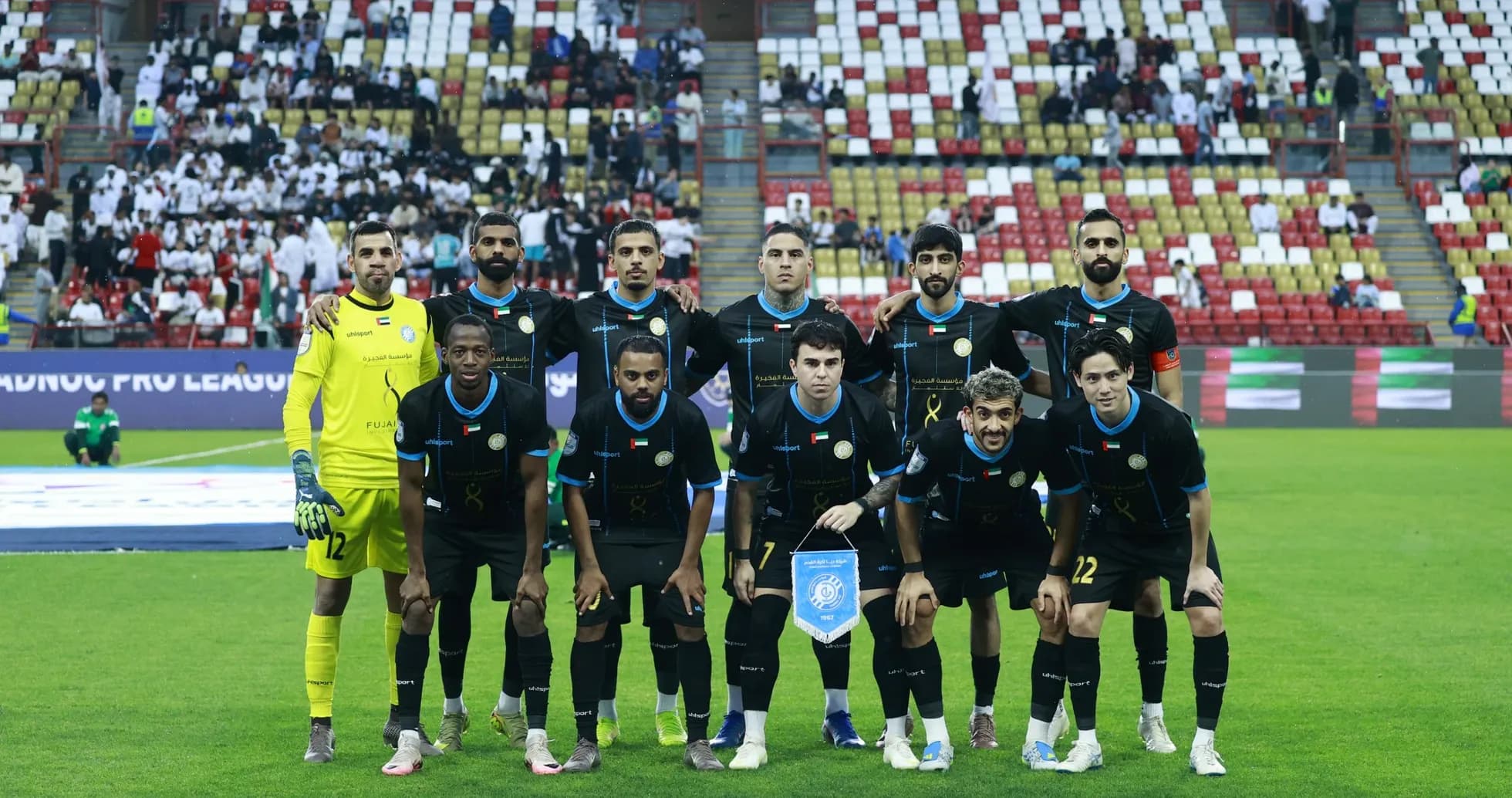
Dibba Al Fujairah U23 vs Al Wasl U23: Pro League U23 Showdown
Dibba Al Fujairah U23 host Al Wasl U23 in the Pro League U23 Regular Season - 23 in 2026 with both teams locked on 32 points. In the league phase, Al Wasl U23 sit 4th and Dibba Al Fujairah U23 6th, so this is a direct battle for upper-table positioning and keeping faint title or podium ambitions alive, while also guarding against slipping back into the mid-pack.
Head-to-Head Tactical Summary
The only recent meeting in the data came on 2025-12-29 in the Pro League U23 Regular Season - 10, where Al Wasl U23 beat Dibba Al Fujairah U23 2-0 at home. There is no half-time score provided, so the only firm tactical takeaway is that Al Wasl U23 previously managed to keep a clean sheet while scoring twice, suggesting they have already shown they can control this opponent on their own ground.
Global Season Picture
- League Phase Performance: In the league phase, Dibba Al Fujairah U23 are 6th with 32 points from 22 matches, scoring 37 and conceding 32 (goal difference +5). Al Wasl U23 are 4th, also on 32 points from 22, with 37 goals for and 29 against (goal difference +8). Dibba’s home record is 5 wins, 3 draws, 4 losses with 21 goals for and 16 against, while Al Wasl’s away record is 5 wins, 3 draws, 3 losses with 18 goals for and 15 against.
- All-Competition Metrics: Across all phases of the competition, Dibba Al Fujairah U23 average 1.7 goals scored and 1.5 conceded per match (37 for, 32 against over 22 games), with only 2 clean sheets and just 2 matches where they failed to score. This points to an open, attack-minded profile with a vulnerable defense (1.7 scored, 1.5 conceded). Al Wasl U23 also average 1.7 goals scored but concede less at 1.3 per match (37 for, 29 against), backed by 8 clean sheets and only 3 matches without a goal. That indicates a more balanced and defensively solid side (1.7 scored, 1.3 conceded). Card data and xG are not quantified in the dataset, so discipline and chance quality cannot be precisely benchmarked.
- Form Trajectory: In the league phase, Dibba Al Fujairah U23’s recent form string is DLWWL, which reflects inconsistency: 2 wins, 2 losses, 1 draw in the last five, oscillating between strong results and setbacks. Al Wasl U23 show DLWLW, also mixed but slightly more positive in terms of away resilience: 3 wins and 2 losses, with no back-to-back victories, suggesting they respond well to defeats but struggle to build long winning streaks.
Tactical Efficiency
Across all phases of the competition, both teams have identical attacking volume at 1.7 goals per game, but Al Wasl U23 pair that with a tighter defense at 1.3 goals conceded compared with Dibba Al Fujairah U23’s 1.5. Without explicit Attack/Defense Index numbers from the comparison block, the closest proxy is goals-for and goals-against efficiency plus clean sheets. Al Wasl U23’s 8 clean sheets versus Dibba’s 2, combined with nearly the same scoring rate, implies a more efficient overall game model: they convert similar attacking output into more points by conceding fewer high-quality chances (29 conceded vs 32) and managing game states better. Dibba’s profile is more volatile: strong attacking averages but fewer clean sheets and a slightly higher goals-against figure, which erodes the value of their offense in tight matches.
The Verdict: Seasonal Impact
This fixture has clear top-end implications rather than relegation stakes. With both sides on 32 points in 2026 and separated only by goal difference in the league phase, a home win would allow Dibba Al Fujairah U23 to overtake Al Wasl U23 and reinsert themselves firmly into the race for the upper positions, potentially keeping outside title or prize hopes alive depending on other results. A draw would largely preserve the current hierarchy and favor Al Wasl U23, who already hold the head-to-head edge from the 2-0 win in 2025. An away win would consolidate Al Wasl U23’s superior defensive profile into a tangible gap in the table, strengthening their claim to a top-four finish and leaving Dibba Al Fujairah U23 more exposed to sliding back into the congested mid-table pack. In strategic terms, this is a swing game: the outcome will significantly influence which of these two becomes a credible late-season contender for the upper positions and which is forced to recalibrate towards consolidation rather than ambition.