Eddie Howe Leaves Newcastle: A New Era with Matthias Jaissle
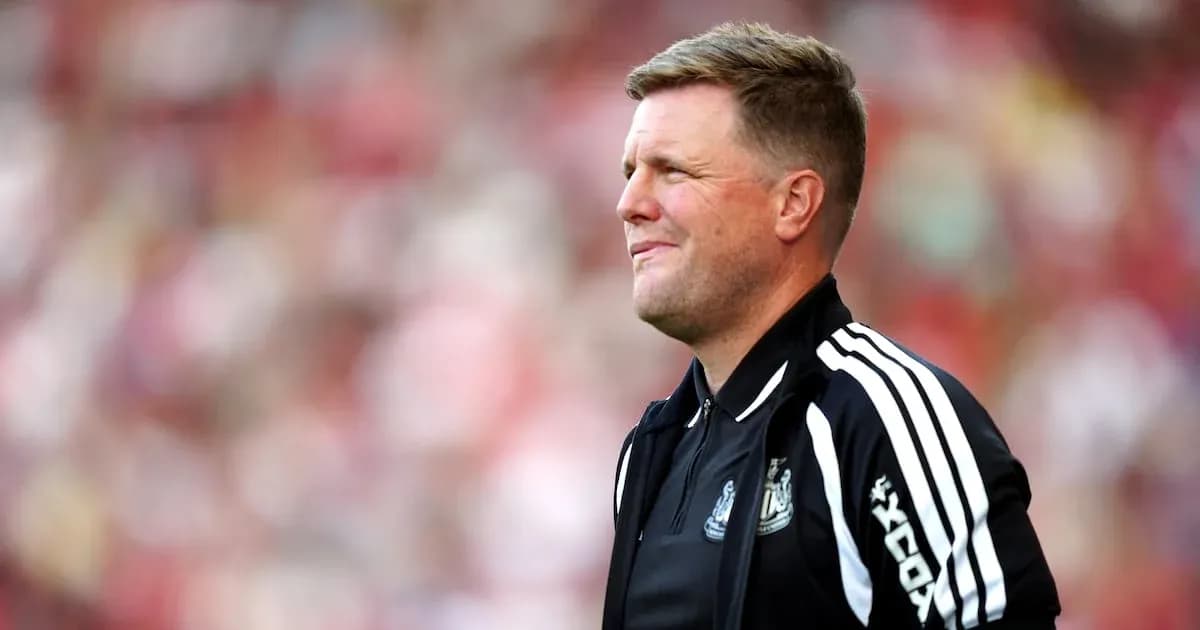
Eddie Howe’s Newcastle reign is over. Almost five years after walking into a relegation fight and walking out with a trophy and Champions League nights, he has left St James’ Park, with Matthias Jaissle lined up as the man to inherit the most politically charged dugout in English football.
The German, currently in charge of Al-Ahli, is in advanced talks to take over. The route is a smooth one: both Newcastle and Al-Ahli sit under the umbrella of Saudi Arabia’s Public Investment Fund, so the move is expected to be a formality rather than a fight.
A sudden exit that had been coming
On the surface, the timing is jarring. Howe spoke on Wednesday night like a man planning the long haul. After a 4-1 preseason defeat at Bristol City, he was upbeat, almost defiant.
“Every day as Newcastle manager is a great day for me,” he said. “I absolutely love the football club and that will never change… I see no reason for it be any different this year.”
Hours later, the ground shifted.
Behind the scenes, the pressure had been building for months. Newcastle’s Saudi owners had subjected Howe’s position to intense scrutiny, the mood turning after a flat 12th-place finish in the Premier League last season. The bookmakers sensed it first; odds on Howe being the first manager to go this season shortened sharply on Wednesday.
By Thursday morning, the focus had moved from if to who. Jaissle, once one of Europe’s brightest young coaching prospects at Red Bull Salzburg and now in Saudi Arabia, emerged as the preferred choice, with negotiations described as advanced.
Sources close to Howe suggest the 48-year-old told the hierarchy he wanted a break from football. After what he has lived through on Tyneside, it is not hard to see why.
From relegation fears to silverware
Howe leaves with his legacy already etched into the club’s modern history. He arrived in chaos, with Newcastle staring at the drop and the takeover still raw. He departs having delivered a League Cup triumph in 2025 and two Champions League qualifications, achievements that reintroduced Newcastle to the top table and restored St James’ Park’s sense of occasion.
For a period, he was more than just head coach; he was the project’s public face, the man who gave a human shape to a geopolitical football experiment. The team ran, pressed and believed for him. The city bought in.
Yet the project evolved. And as it did, Howe’s power base began to shrink.
Power shifts and a turbulent summer
The first clear sign came with the arrival of Ross Wilson as director of football. Howe’s previously strong influence over recruitment was cut back as Wilson imposed a new model: younger signings, high resale potential, a rough price band of £20m to £40m.
It was a sharp pivot away from the early, more flexible phase of the PIF era. The message was clear. Newcastle would spend, but they would do it with an eye on balance sheets as well as league tables.
This summer underlined the fault lines. Anthony Gordon gone to Barcelona. Sandro Tonali to Tottenham. Doubts swirling around Bruno Guimarães. These were not fringe players leaving quietly; they were pillars of Howe’s side, symbols of Newcastle’s ambition and identity under him.
The exits jarred with the optimism Howe projected and with the assurances he appeared to have secured in April, when a summit at a Northumberland country house hotel seemed to grant him another season. He had argued his case and, at the time, seemed to have won it.
But football projects backed by sovereign wealth funds move quickly. And ruthlessly.
Jaissle walks into a different Newcastle
Jaissle, if and when he signs, will inherit a club very different from the one Howe took on. The foundations are stronger: training ground improved, squad upgraded, European experience banked. The expectations, though, are far higher and the margin for error thinner.
He will not enjoy the same latitude Howe had in shaping the dressing room. Wilson’s recruitment framework is in place, the ownership’s strategic lines clearly drawn. Jaissle’s job will be to maximise what he is given rather than dictate what arrives.
Yet this is also an opportunity few young coaches turn down. A Premier League club with a global spotlight, Champions League ambitions and the financial muscle to compete at the top end of the market, even within new constraints. For a coach versed in high-intensity, front-foot football, the fit is obvious on paper.
Howe, meanwhile, steps away with his reputation intact, arguably enhanced. He leaves having dragged Newcastle from the brink to relevance, with a major trophy and European nights as proof. A break now, perhaps, before the next big job calls.
Newcastle, once again, stand on a threshold. The first era of the PIF project belongs to Eddie Howe. The next will belong to Matthias Jaissle. How far, and how fast, they are willing to push it from here will define what this club becomes.