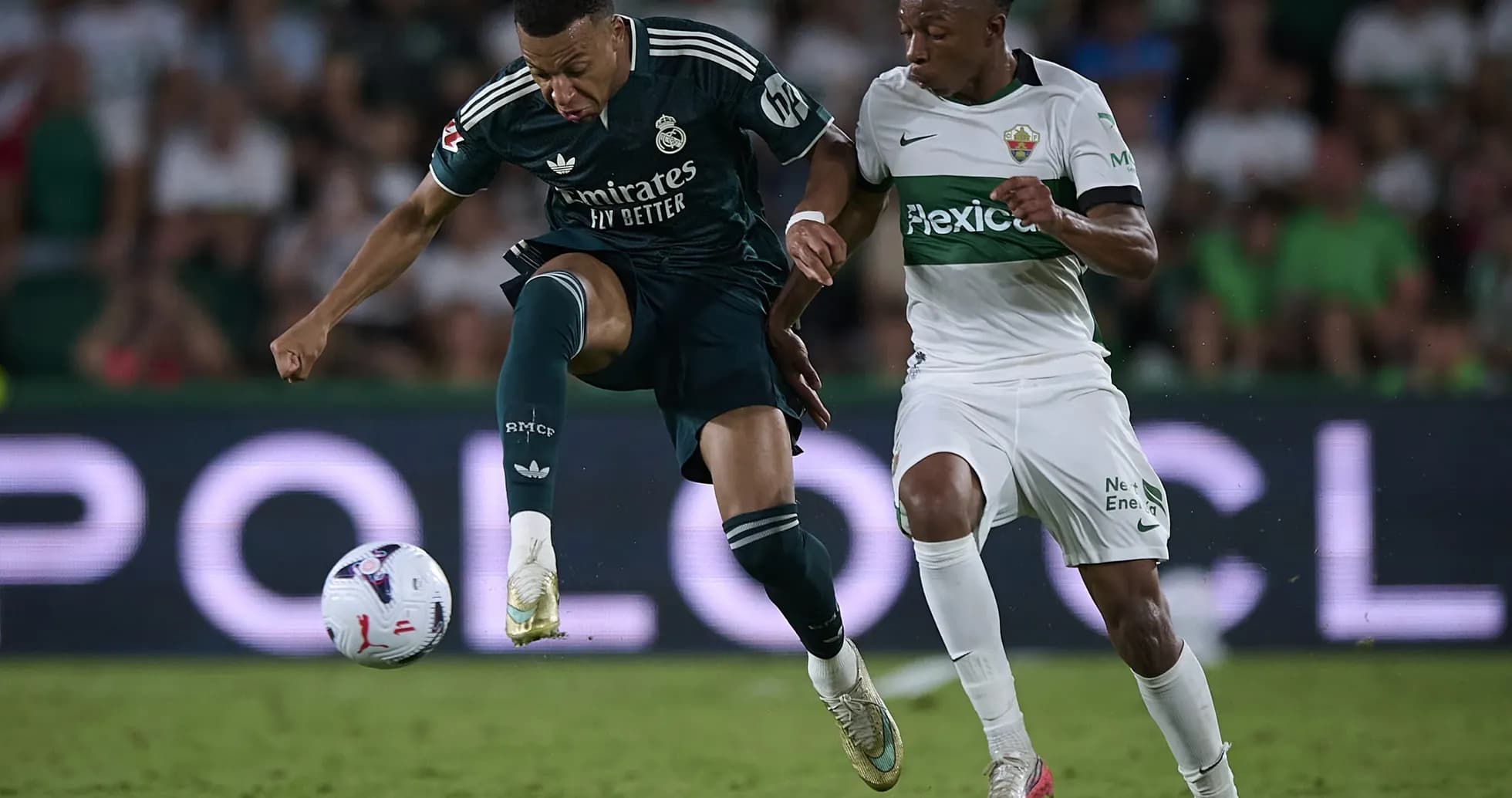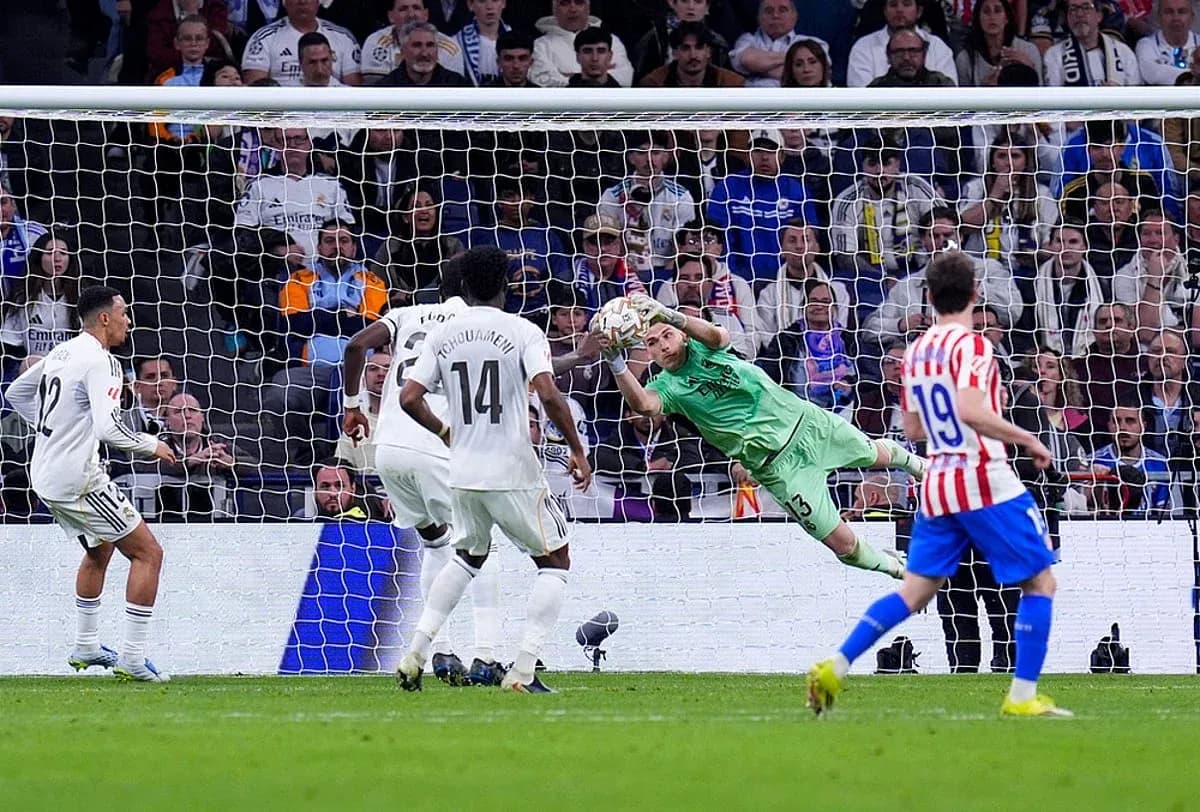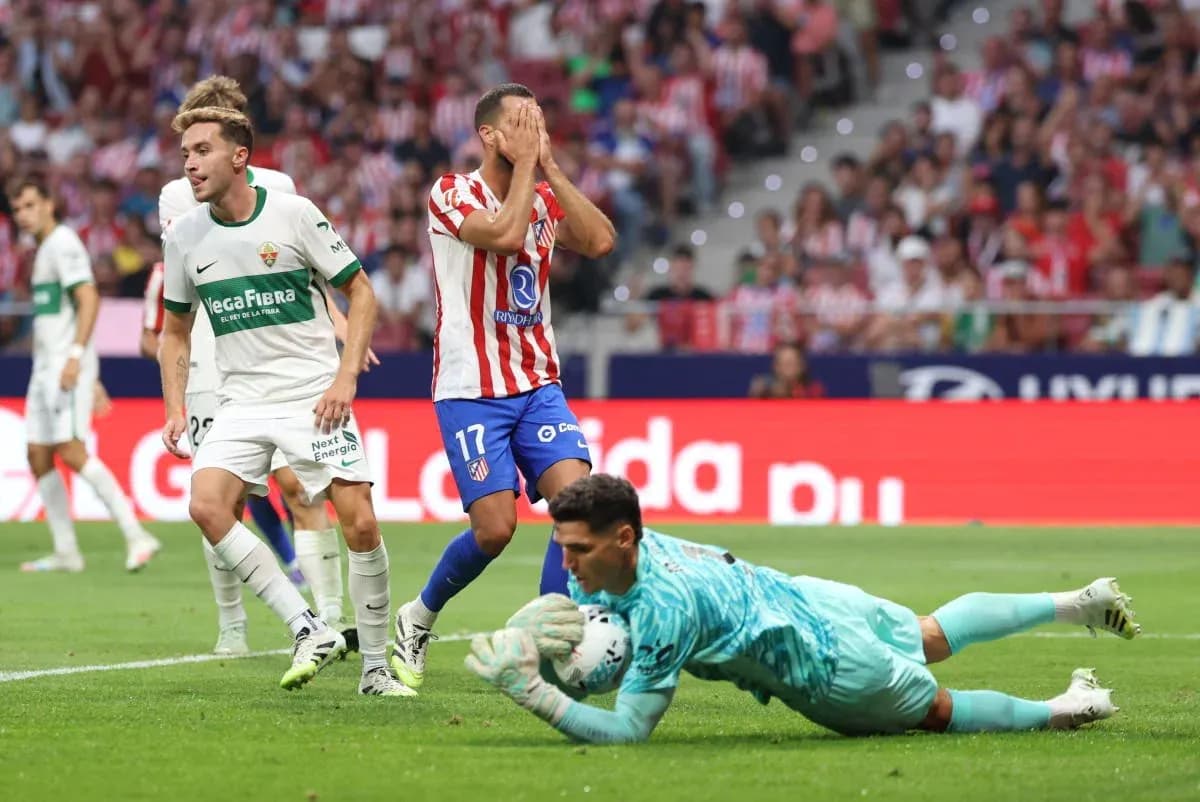
Elche's Home Brilliance Overcomes Atletico Madrid
The Estadio Manuel Martínez Valero had the feel of a trap long before the first whistle. Heading into this game, the standings painted a stark contrast: Elche in 16th on 35 points, fighting to stay clear of the drop, Atletico Madrid in 4th with 57 points, chasing Champions League security. Yet the seasonal DNA of both sides hinted that this would not be a routine away assignment for Diego Simeone’s team.
Elche came in as a split‑personality side. Overall they had scored 42 and conceded 49 in 32 matches, a goal difference of -7, but at home they were transformed: 8 wins, 7 draws and just 2 defeats from 17, with 28 goals for and 18 against. An average of 1.6 goals scored and 1.1 conceded at home underpinned their survival push. Atletico, by contrast, were a powerhouse at the Metropolitano but only human on their travels: 4 wins, 5 draws and 7 losses away, scoring 18 and conceding 21, for an away average of 1.1 goals for and 1.3 against. It was the classic clash of a home specialist against an away struggler.
The team sheets confirmed that Eder Sarabia would lean into that home identity. Elche’s 3‑5‑2 was their most used structure this season, and he doubled down on it: M. Dituro behind a back three of Buba Sangare, D. Affengruber and L. Petrot, with a broad five‑man midfield of Tete Morente, G. Villar, Aleix Febas, Martim Neto and G. Valera. Up front, R. Mir paired with André Silva, the latter Elche’s leading scorer in La Liga with 9 goals in total this season, including 2 penalties scored from the spot.
Atletico’s 4‑4‑2 was textbook Simeone, but the absences told their own story. J. M. Gimenez, D. Hancko and M. Ruggeri were all ruled out through injury, stripping depth and leadership from the defensive line. Koke and M. Llorente were missing by coach’s decision, while A. Lookman and A. Sørloth – the latter with 10 league goals overall – were unavailable, blunting the visiting attack. Simeone turned instead to a back four of J. Bonar, R. Le Normand, C. Lenglet and J. Diaz ahead of J. Oblak, with a midfield of N. Gonzalez, J. Cardoso, R. Mendoza and O. Vargas, and a front pair of A. Baena and T. Almada.
The match quickly became a study in how those structural choices and seasonal patterns intersected. Elche’s three‑centre‑back system was not simply conservative; it was a platform to unleash the wing‑backs and central creators. With 28 goals at home heading into this fixture, they were accustomed to committing numbers forward in Elche, and Sarabia’s selection reflected that ambition.
Aleix Febas, one of the league’s most combative midfielders, embodied the edge in Elche’s engine room. Across the season he had amassed 8 yellow cards, drawn 99 fouls and contested 348 duels, winning 220. His presence in the middle, alongside the more metronomic Neto, gave Elche a blend of bite and control. Neto, with 5 assists and 26 key passes in total, is the side’s primary creative conduit; his 87% passing accuracy and willingness to receive under pressure allowed Elche to play through Atletico’s first line rather than over it.
Defensively, D. Affengruber was the anchor. Over the campaign he had blocked 21 shots, a testament to his willingness to step out and meet danger early, and collected 1 red card in the process – a reminder that his aggression walks a fine line. Against an Atletico side that thrives on quick combinations around the box, his timing in stepping to Almada and Baena was always going to be pivotal.
On the other side, Simeone’s midfield lacked its usual hierarchy without Koke. Responsibility for control fell to J. Cardoso, a positional pivot, and R. Mendoza, more vertical in his running. The plan was clear: keep the lines compact, trust the back four, and use the individual quality of Almada and Baena to exploit transitions against Elche’s high wing‑backs.
Yet the wider seasonal numbers hinted at an imbalance. Atletico’s overall defensive record – 35 conceded in 32, an average of 1.1 per match – is solid, but their away concession rate of 1.3, coupled with Elche’s home scoring average of 1.6, tilted the statistical forecast towards a high‑event game in the hosts’ favour. Atletico’s away attack, at 1.1 goals per match, looked modest against an Elche home defence that, while not watertight, had kept 7 clean sheets at home.
Discipline was another undercurrent. Elche’s yellow‑card distribution showed a late‑game surge: 25.37% of their yellows came between 61‑75 minutes, with another 19.40% from 76‑90. Atletico’s own bookings peaked between 31‑45 minutes at 23.88%. The story this told was of a match likely to grow increasingly fractured as legs tired and pressure rose, particularly in the final half hour.
Following this result – a 3‑2 Elche victory after a 2‑2 half‑time scoreline – the narrative threads converged neatly.
The home side’s attacking bravery, underpinned by their season‑long home numbers, overwhelmed an Atletico defence shorn of key leaders. Febas and Neto dictated the rhythm, feeding a front two that asked constant questions of Lenglet and Le Normand. André Silva’s season profile – 9 goals overall, strong movement and reliable penalty taking – translated into a constant threat between the lines and in the box.
Atletico, for their part, carried danger through Almada and Baena, but without the vertical menace of Sørloth or the control of Koke, their 4‑4‑2 lacked a reference point when Elche’s press bit. The away side’s broader pattern – 7 away defeats heading into this fixture – reasserted itself in the decisive moments.
From a statistical prognosis standpoint, the outcome aligned with the underlying trends: Elche’s home xG profile, suggested by 28 goals in 17 home games, combined with Atletico’s softer away defence, always made a multi‑goal performance from the hosts likely. Atletico’s overall quality kept them in the contest, but their away fragility and injury‑thinned squad left them exposed to exactly the kind of high‑tempo, emotionally charged home performance that Elche delivered.