Elina Svitolina's Remarkable Comeback at WTA Finals
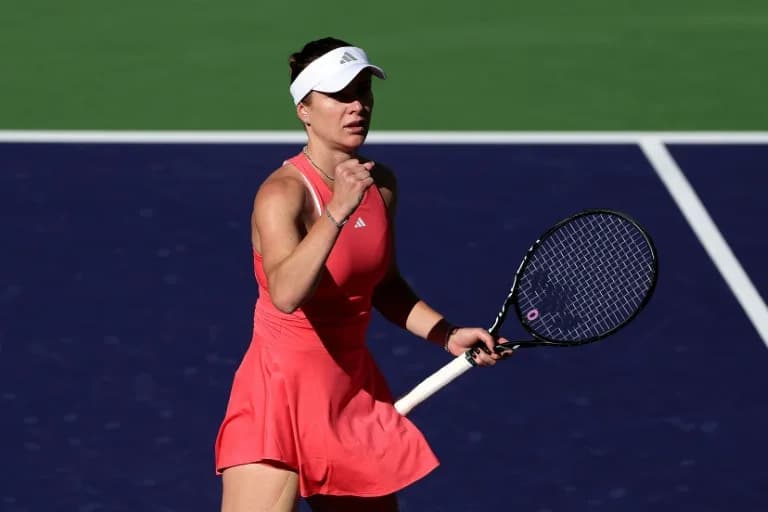
Elina Svitolina walked to her chair at the end of the first set looking like another bad night was coming. The scoreboard said 3-6. Her hip was troubling her. Her semi-final hopes at the WTA Finals were hanging by a thread.
She got angry.
Not at the opponent. At herself.
And that, she said, changed everything.
From a set and a break point down, the sixth seed tore into Karolina Muchova, turning a flat, anxious start into a fierce 3-6 6-2 6-2 victory that keeps her campaign alive in California and reasserts her status as one of the tour’s toughest competitors when the stakes rise.
From limp start to ruthless response
The context made her turnaround all the more striking. Svitolina had been dismantled 6-4 6-0 by Mirra Andreeva in her opening group match on Monday, and she opened this one with the same lethargy and doubt. Muchova, the Wimbledon runner-up, found early rhythm, dragging Svitolina into long, physical rallies and exposing the Ukrainian’s movement.
When Svitolina called a medical timeout for a right hip issue after dropping the first set, it felt ominous. The hip was strapped. The body language was subdued. Then she faced an early break point in the second set.
Save it or sink.
She saved it. And the match flipped.
From that moment, Svitolina’s intensity spiked. Her feet were sharper, her patterns clearer. She started stepping into the court, taking time away from Muchova, forcing the Czech to hit one extra ball, then another, then another. The more Svitolina dug in, the more Muchova’s game frayed.
By the end, Muchova had sprayed 39 unforced errors, many leaking off a forehand that lost its shape under constant pressure. Svitolina didn’t need highlight-reel winners; she needed discipline and edge. She had both.
“The pressure finally told” is a cliché, but here it fit. Muchova cracked first, surrendering an early break in the deciding set and never truly recovering. Her eighth double fault gifted Svitolina a second break, and with it, daylight.
Svitolina did not blink.
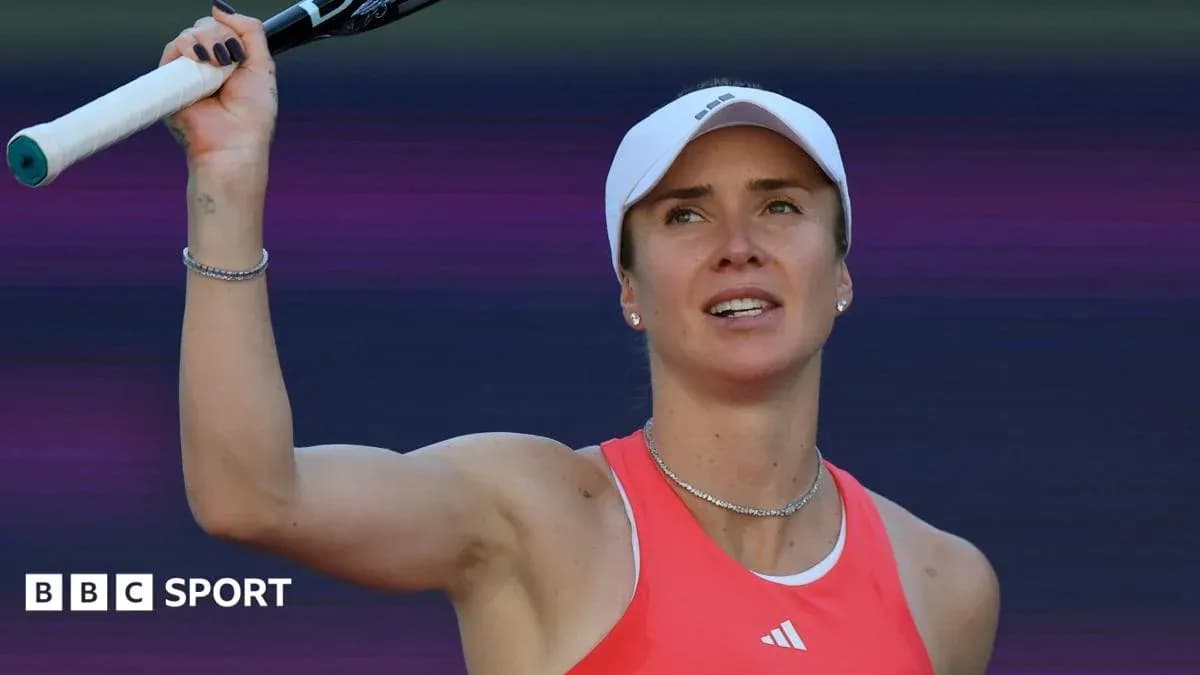
She closed the match with the composure of a player who has been here before, then let the emotion rip: head back, roar to the sky, a release that spoke of the last 48 hours as much as the last two and a half hours.
“I was really angry at myself after the first match and the first set,” she told Sky Sports. “Sometimes it happens in a good way and sometimes in a bad way. I tried to direct my anger towards the ball and I found my game in the end.”
She didn’t just find her game. She found her edge.
A familiar stage, a familiar resilience
This win carries weight beyond the group table. It marks Svitolina’s first victory at the WTA Finals since she lifted the title in 2019, a reminder of how comfortable she can be among the elite when she locks in.
It is also her ninth win over a top-10 opponent this season, a number that underlines her renaissance in a year defined by comebacks, both personal and professional. Against Muchova, that theme played out in microcosm: from a poor start, through physical doubt, to a relentless, grinding finish.
For now, her fate is not in her own hands. Svitolina can still reach the semi-finals, but her exact route will only become clear after Aryna Sabalenka faces Andreeva. The equation will be written later; what mattered on this night was that Svitolina kept herself in the conversation.
The anger has been channelled. The fight, very much alive.
Norrie falls as Fritz marches on
Across the Atlantic at the Stockholm Open, Cameron Norrie’s week ended with a familiar frustration. The Briton pushed but could not break through against world number 10 Taylor Fritz, losing 7-5 6-3.
Norrie stayed with Fritz for much of the opening set, only to be edged out at the business end. Once Fritz had that first set in his pocket, his serve and first-strike aggression took control of the match, shutting the door on any serious comeback attempt.
For Fritz, it was another solid step in a season built on consistency. For Norrie, another reminder of how thin the margins remain against the game’s top 10.
Rune’s return gathers momentum
Stockholm also offered a different kind of story: Holger Rune’s quiet, determined climb back from injury.
Twelve months ago at this same event, the Dane ruptured his Achilles, an injury that ripped a hole in his schedule and demanded a year of painstaking rehab. He only returned to the ATP Tour in October.
Now, he is back on the same court, this time as a quarter-finalist.
Rune’s 2-6 6-1 6-4 win over Miomir Kecmanovic was not smooth. He started slowly, dropped the first set, and looked short of timing. Then he surged. The second set was a statement, the third a test of nerve and fitness that he passed.
For a player who built his reputation on fearless shot-making and swagger, this version of Rune is learning something different: how to win with patience, with scars, with a rebuilt body.
Svitolina raging her way back into contention in California. Rune returning to the scene of an injury and walking off as a winner. Fritz tightening his grip on life inside the top 10.
Different courts, different surfaces, same question as the season winds towards its close: who can still summon one more push when it matters most?