England's Innovative Palm-Cooling Tech for World Cup Heat
England’s World Cup preparations are being shaped as much by science as by tactics, with players set to use high-tech palm‑cooling devices to fight the heat in the United States.
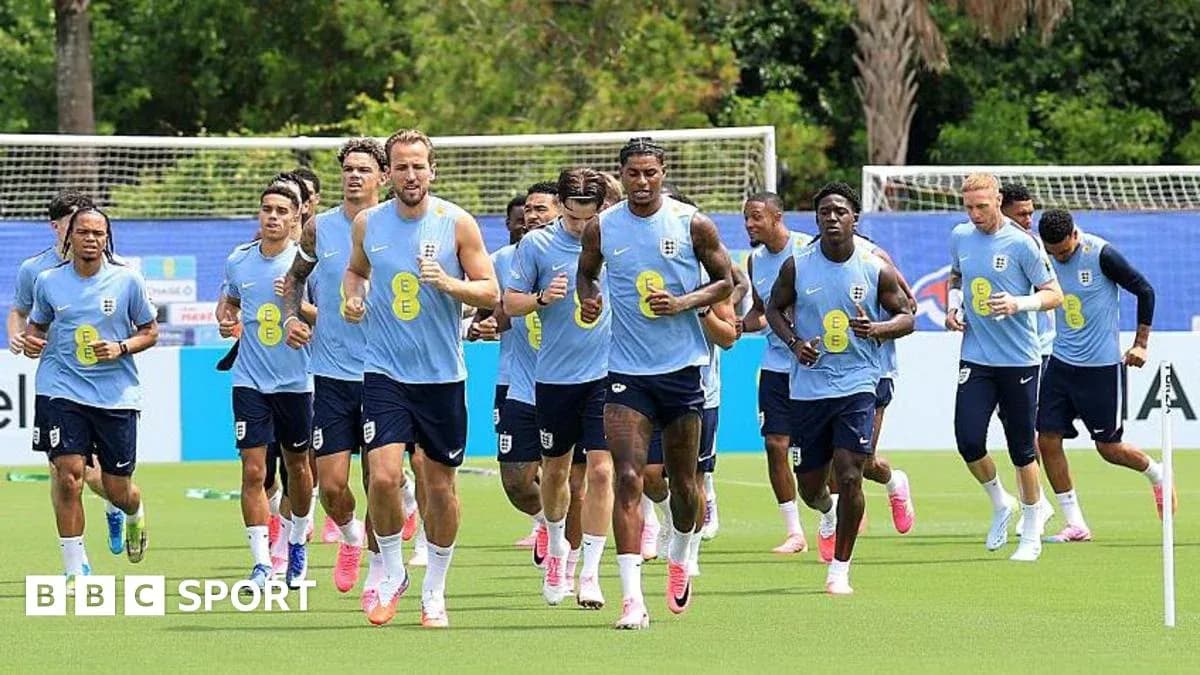
The squad landed in West Palm Beach to find the conditions every bit as brutal as forecast. During their opening training session on Tuesday, temperatures climbed to 32C, the air heavy and unforgiving, a stark reminder of what awaits at the tournament. Studies suggest at least a third of World Cup fixtures will be played in temperatures above 26C. Those numbers have focused minds.
This camp is not just about patterns of play. It is about survival in the kind of humidity that drains legs and scrambles decision-making. England’s answer sits, somewhat improbably, in the palms of their hands.
Science in the shade
Palm-cooling devices, once a curiosity on the fringes of elite sport, are now edging towards the mainstream. Manchester United are among the clubs known to have embraced the technology. England will follow suit, using the equipment in training and during the planned water breaks at World Cup matches.
The principle is simple but powerful. Research shows that cooling the palms can significantly lower core body temperature, speeding up in‑game recovery and helping players maintain intensity for longer spells. In an era where marginal gains are hunted relentlessly, this is the latest edge.
Jordan Henderson, speaking in camp, underlined how central acclimatisation has become to England’s plans. This first week, he said, is about “build[ing] capacity to the conditions”, using the time in Florida to harden bodies and lungs to the kind of heat that can decide tournaments as surely as any tactical tweak. The upcoming warm-up games, he added, will be crucial in that process.
The Brentford midfielder reserved particular praise for what he called the “team behind the team”, highlighting the “top level research” that has gone into cool down and recovery. The work is not glamorous. It rarely makes highlight reels. But in a World Cup played in punishing conditions, it may be decisive. “Hopefully that can give us a little edge when we get into the tournament,” he said.
From theory to match tempo
That theory will be tested almost immediately. England face New Zealand on Saturday 6 June (21:00 BST), then Costa Rica on Wednesday 10 June (21:00). Both fixtures offer more than a chance to fine-tune combinations. They are live drills in managing energy, hydration and recovery under stress.
The staff will watch closely: how quickly players’ heart rates drop in breaks, how sharply they restart after cooling, how deep into the second half they can sustain the press. The devices will be in their hands; the data will be in the analysts’ laptops before the players reach the dressing room.
Then comes the real thing. Thomas Tuchel’s side open their World Cup campaign against Croatia on Wednesday 17 June (21:00), before facing Ghana on 23 June (21:00) and Panama on 27 June (22:00). Different opponents, different styles, one constant: the heat.
Tuchel will demand control of space and tempo, but the conditions will demand something more basic – the ability to keep running, keep thinking clearly, when the lungs burn and the legs feel heavy. That is where the palm-cooling, the water breaks, the hours in Florida’s glare are supposed to pay off.
England have long spoken about marginal gains. In the United States, under a 32C sky, those gains are no longer a buzzword. They are a necessity. The question now is simple: when the World Cup kicks off and the temperature rises, will the science in their hands be enough to keep their dreams alive?