England’s World Cup Challenges After Japan Defeat
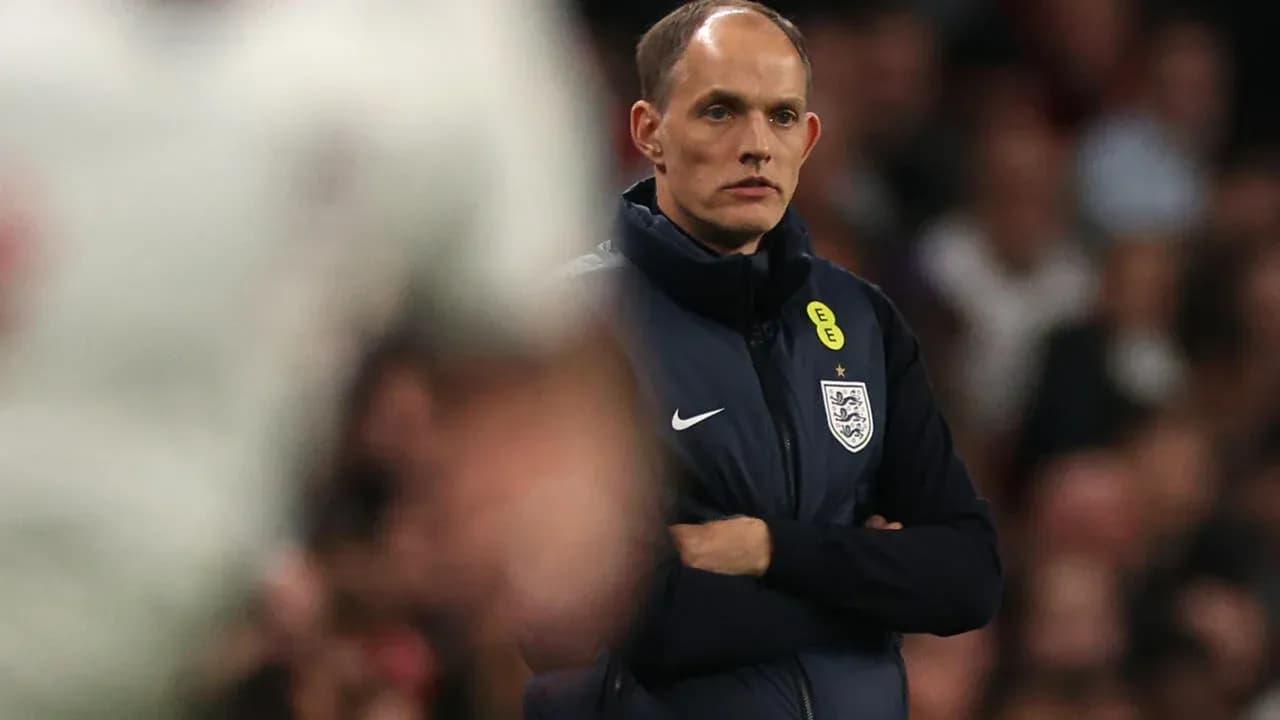
The plan looked bold on paper. A 35-man squad, split into two camps, two friendlies at Wembley to sharpen the edges before a World Cup charge. By Tuesday night, Thomas Tuchel was left with a patched‑up team, a 1-0 defeat to Japan, and more questions than answers.
A Window That Unravelled
The experiment began on Friday with a second-string XI grinding out a 1-1 draw against Uruguay. Few seized their chance. Fewer still looked like they belonged on a World Cup teamsheet.
Tuchel’s idea was clear: rotate heavily in the first game, then flood the second with senior figures to build rhythm and authority. Instead, the injury list ripped through his script.
Declan Rice and Bukayo Saka dropped out. John Stones followed. Harry Kane watched from the stands, nursing a minor issue. Jude Bellingham stayed on the bench. By the time Japan walked out at Wembley, England’s “first-choice” side existed mostly in theory.
What remained dominated the ball but never the game. England moved it, Japan hurt with it. Possession without purpose, territory without teeth.
Kaoru Mitoma supplied the difference. One moment of quality in the first half, a fine finish, and Japan had their first ever win over England. They also had something else: a performance that looked fully formed, fully committed, while Tuchel’s team flickered in patches and faded when it mattered.
Tuchel’s Frustration, Not Excuses
Tuchel did not hide behind the scoreline, but he did point to the calendar. His players, he stressed, are being stretched to breaking point at club level.
“We knew that we had a tough exam to play for in this window because our players are heavily invested in club football, they're heavily invested in European football and in the physically toughest league that there is,” he said, reminding everyone that England had just faced two well-drilled, top-20 opponents at near full strength.
Seven, eight players gone from camp. Plans shredded. Combinations improvised on the fly.
“It's not an excuse, it's just an explanation why things are not perfectly smooth and maybe perfectly on the highest level that we expect.”
The performance backed him up. England’s structure held, but the spark never quite caught. The Euro 2024 runners-up looked like a side between versions of itself: the old certainties absent, the new ones not yet established.
Kane, And the Void Behind Him
One truth cut through the noise: Harry Kane is irreplaceable.
He has scored 48 goals in 40 games for Bayern Munich this season. Those are not just elite numbers; they are a system in themselves. Take him out, and the entire attacking picture changes.
Tuchel tried Dominic Solanke and Dominic Calvert-Lewin across the two games. Both worked, both offered honest shifts, but neither came close to replicating Kane’s gravity.
“Bayern Munich in the absence of Harry Kane has not the same threat,” Tuchel said. “No team in the world has the same threat. It's just normal.”
Normal, perhaps. But it leaves England exposed. Eight weeks from naming a World Cup squad, one muscle twinge to the captain could redraw the entire tournament outlook.
Midfield Puzzles and Quiet Winners
Some reputations dipped this window. One, intriguingly, rose without a single minute played.
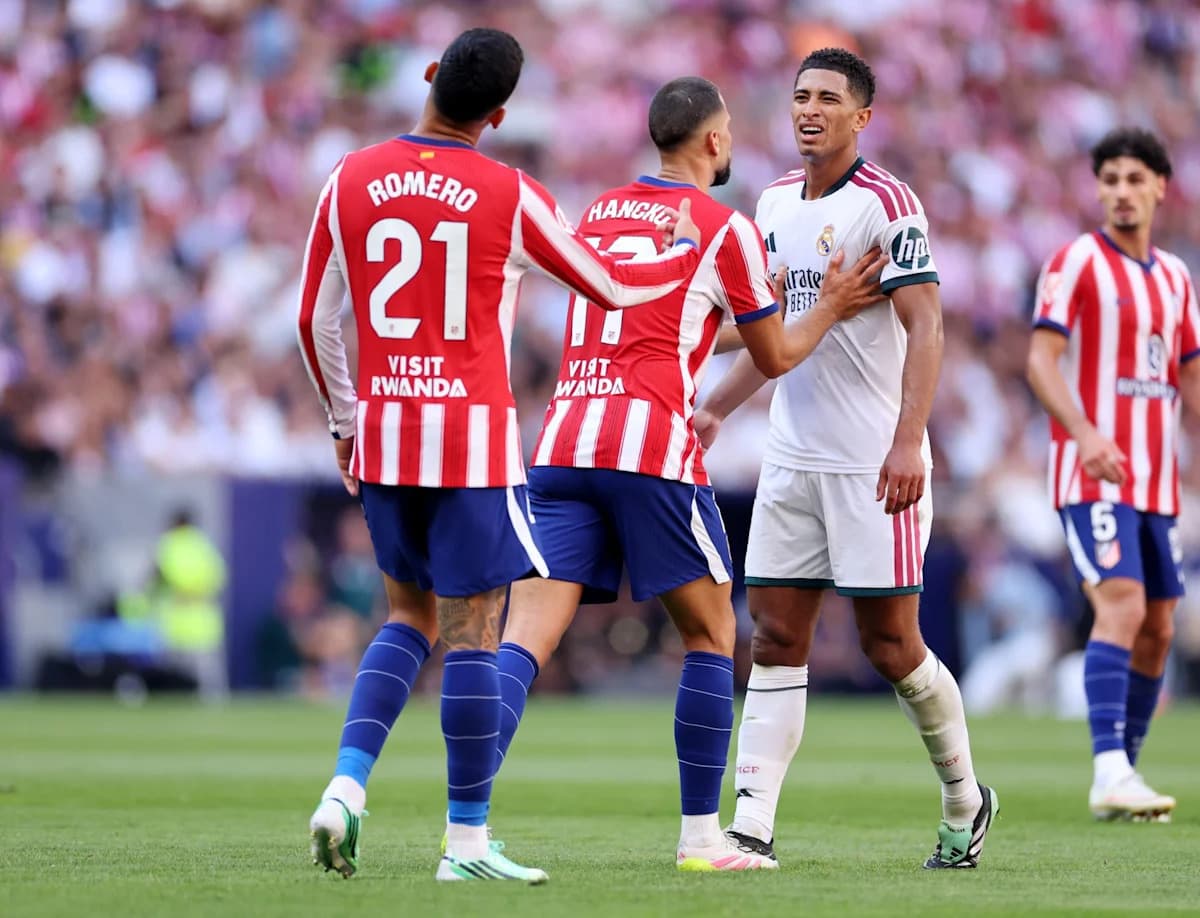
Jude Bellingham sat out both matches, yet his value only felt greater. The Real Madrid midfielder’s absence left a creative void that no one quite filled.
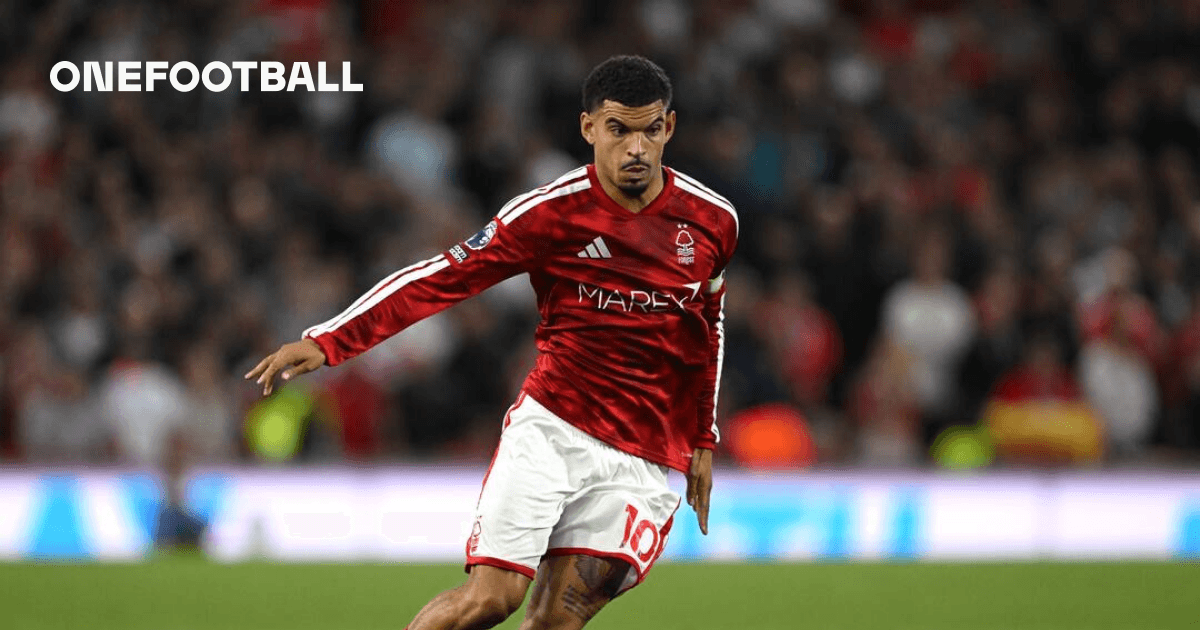
Aston Villa’s Morgan Rogers, touted as Bellingham’s rival for the No 10 role, showed flashes against Japan – a clever touch here, a sharp turn there – but not yet the sustained authority that locks down a starting berth.
Phil Foden and Cole Palmer, both given chances over the two games, did not do enough to slam the door shut on their competition. They remain in the conversation, not at the head of it.
Rice’s absence was glaring. England missed his control, his ability to both shield and launch. Yet in that gap, Elliot Anderson stepped up. The midfielder did enough to look like a credible partner for Rice when the real games begin, a small but significant positive in a camp short on them.
Defence Still in Flux
At the back, the picture remains blurred.
Marc Guehi and Ezri Konsa had uneven evenings against Japan. Moments of composure were undercut by lapses and uncertainty, the kind that elite opponents punish ruthlessly. Even so, they could walk out as starters against Croatia in Dallas on June 17, not because they have nailed down the shirts, but because no one else has prised them away.
Left-back remains a live debate. No one has made the position their own. With the World Cup looming, that is the sort of unresolved issue that keeps managers awake at night.
Clarity Amid Concern
Tuchel, though, cut a bullish figure. Results were poor, performances patchy, yet he insisted this camp had sharpened his thinking.
He spoke of “more clarity” over his squad, even as he admitted what comes next will be agonising to watch.
“It will be scary to watch TV on the weekend because from now on every muscle injury can mean that a player misses out,” he said.
The next two months will be spent hoping, waiting, calculating. No more experiments, no more split camps. Just club games, scans, and the hope that key names emerge unscathed.
“This camp will not define us and we have two months to digest it, to take the learnings, to nominate our squads, to get the players back healthy,” Tuchel said. “Hopefully they stay healthy, we have the full choice and then we will pursue our dream from June.”
England will head to the United States as one of the favourites, still chasing a first World Cup since 1966. The talent is there. The dream is clear.
The question, after this bruising international window, is whether the pieces will finally click in time – and whether their most important ones can stay on the pitch long enough to make it happen.