England’s World Cup Chances: Supercomputer Insights and Phil Neville’s Role
World Cup countdowns usually bring tactical diagrams, injury bulletins and a predictable swell of optimism. This time, England’s build‑up has been hijacked by a “shock role” for Phil Neville, a doomsday supercomputer and a Manchester United plan to copy Paris Saint‑Germain by, essentially, playing three midfielders.
Welcome to tournament season in the age of the click.
England’s chances: computer says “not bad at all”
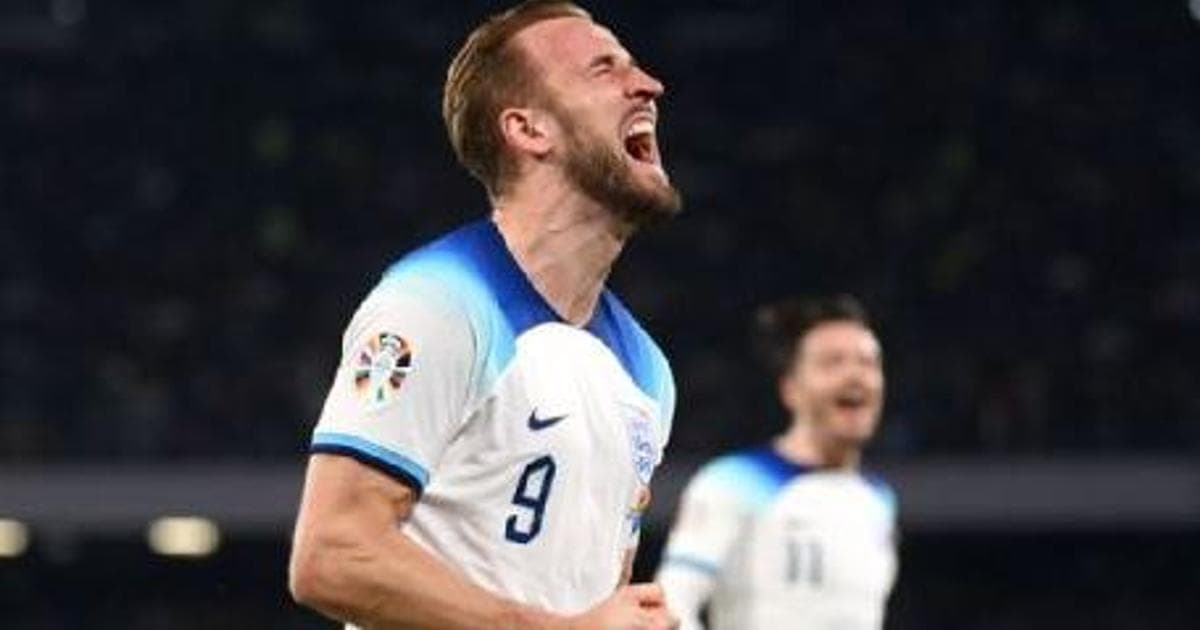
The Sun’s so‑called supercomputer has already delivered its verdict on England’s hopes. It places them behind Spain and France, giving Gareth Southgate’s side an 11.3% chance of winning the World Cup.
In other words: third favourites. Roughly in line with what bookmakers think. A serious contender, if not the standout.
You wouldn’t know it from the framing. Readers are warned that “the nation’s wait for an international trophy may not end this summer,” as if anyone truly believed a 48‑team tournament guaranteed a medal ceremony on the Mall. The numbers are quietly reasonable; the headline screams crisis.
The gap between data and drama has rarely felt wider.
Neville’s “shock role” that was neither shock nor new
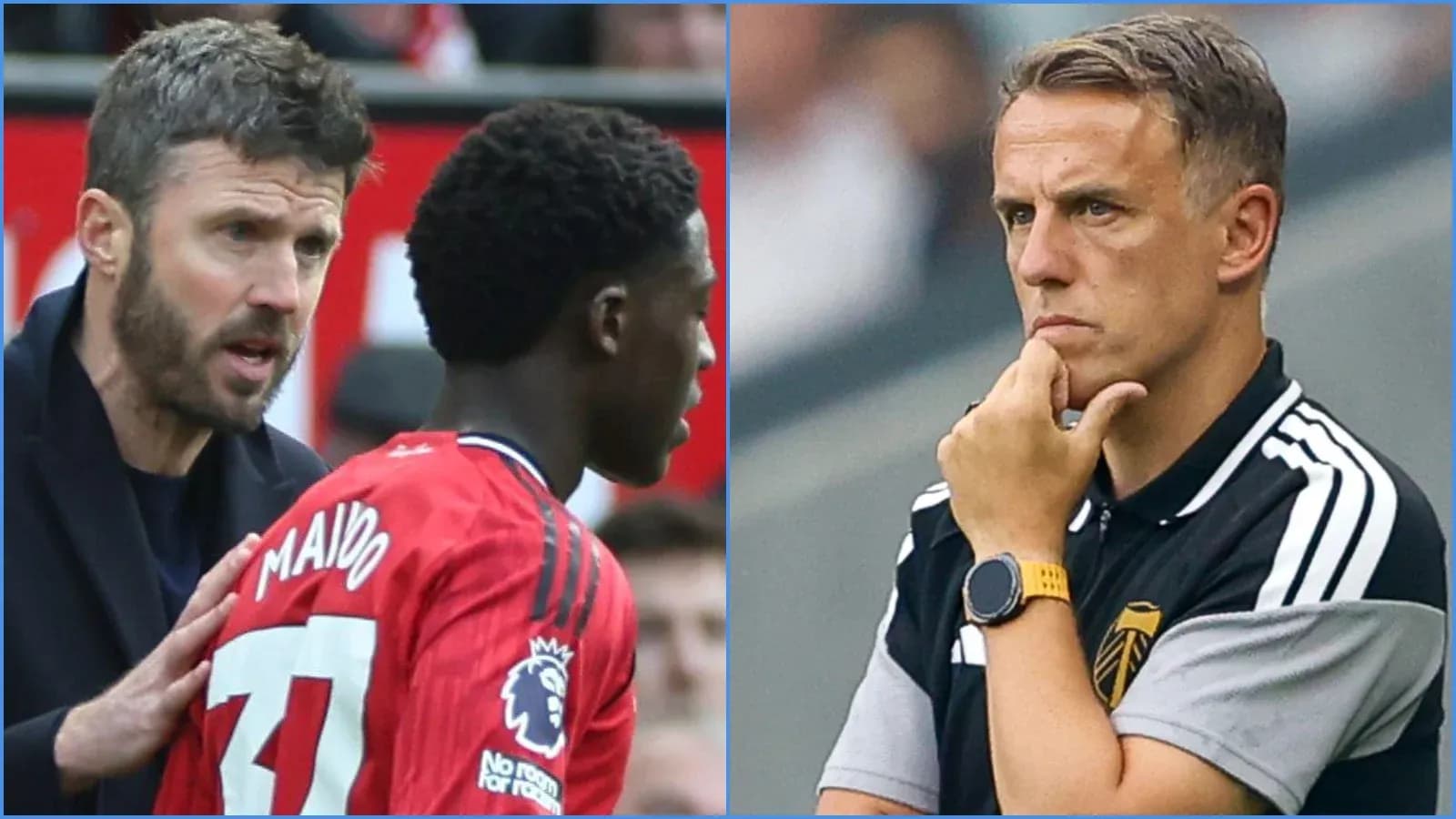
Into that noise drops Phil Neville, recast as the surprise sage behind England’s World Cup preparations.
“Phil Neville’s shock role for England at World Cup revealed just TWO WEEKS after ex-Man Utd star sacked by MLS team,” blares one headline. It sounds like a late, panicked phone call to a recently unemployed ex‑player.
The reality is far more mundane – and far more logical.
Neville was one of two English coaches with recent experience in the United States consulted by Thomas Tuchel about the country’s specific demands: climate, time zones, travel, even traffic. England, preparing for a World Cup spread across a vast continent, wanted to know what awaits them on the ground.
The discussion lasted around 90 minutes on Zoom. Neville has lived and worked in the US for five years, managed England Women and taken teams to tournaments there. He has, in short, seen this landscape up close.
None of this is secret. Neville laid out the entire process in a column for The Times last week, explaining how John McDermott, the FA’s technical director, called him last year when he was managing Portland Timbers.
McDermott wanted his brain picked. Neville obliged. England listened.
The “shock role” turns out to be a standard piece of due diligence, not a late‑night SOS. It is neither new, nor remotely surprising. But “sensible consultation with an experienced coach” doesn’t sell like “shock.”
World Cup fever? Not in Manhattan on a Monday morning
While England refine logistics, another storyline has taken shape 3,000 miles away.
Martin Lipton, wandering around Manhattan, declared that “New York has NO appetite for World Cup fever.” His evidence: a trawl through three local sports sections that yielded no mention of Harry Kane, Lionel Messi or Cristiano Ronaldo, but plenty on the NBA playoffs and the New York Yankees and Mets as their MLB seasons roll on.
So, live games and active seasons dominate the sports pages. A tournament that hasn’t kicked off yet sits in the background. That is not a cultural crisis; it is a news list.
The World Cup will swallow attention soon enough. For now, American sport covers what is happening tonight, not next month.
England’s base and a different kind of traffic
Back on English shores, The Sun has found another angle: England’s training base sits next to what is described as a “notorious dogging spot loved by randy couples.”
Swope Park, sprawling and green, features on adult websites and social media apps, we are told. A Facebook user once asked: “Anyone know what goes on at Swope Park at night?” The answer, apparently, is frisky adults parking near a golf course and meeting by the Grecian‑style Thomas H. Swope Memorial, a short walk from the football pitches.
It is the sort of titillating sideshow that tends to bloom around major tournaments. A national team’s base becomes a backdrop for everything from local curiosities to moral panics. The footballers will concern themselves with pressing triggers and set‑piece routines; others will worry about car headlights in the distance.
United’s “PSG-style” midfield – by numbers, not nuance
While England juggle logistics and lurid headlines, Manchester United are busy plotting their own reinvention.
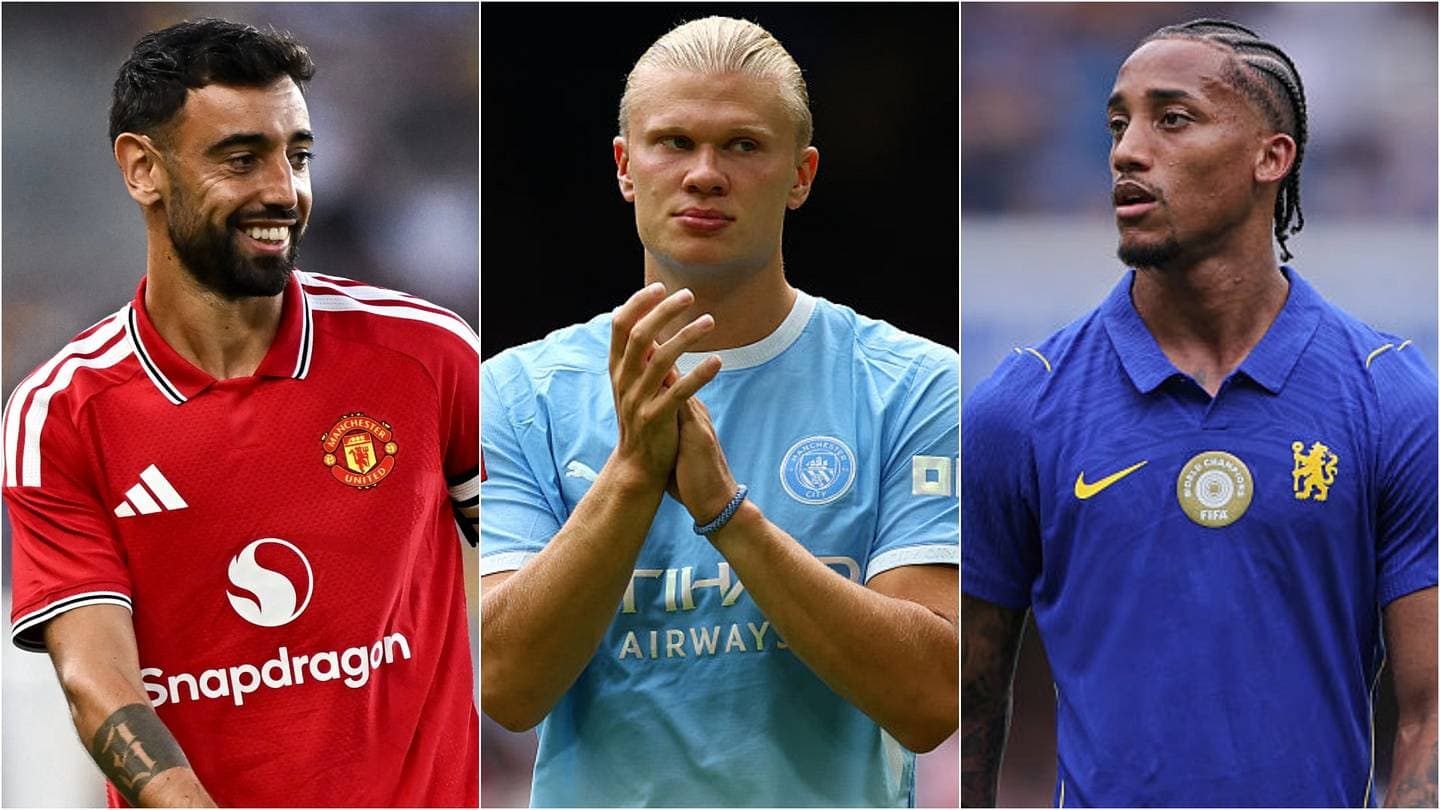
“Man Utd set to create PSG-style midfield with £35m transfer and new role for Kobbie Mainoo,” runs one claim. The blueprint, according to Samuel Luckhurst, is simple: push Kobbie Mainoo higher, drop Bruno Fernandes a little deeper, sign Ederson for £35m and, in doing so, mirror the European champions’ engine room.
The comparison leans heavily on shape. PSG have dominated Europe with a slick, three‑man midfield featuring Vitinha, Fabian Ruiz and Joao Neves. United, the logic goes, can follow suit by… also using three midfielders.
It is a neat idea on paper, but a blunt reading of why PSG’s trio works. Luis Enrique’s side thrive on technical security, press resistance and positional discipline. Their midfielders dovetail, cover ground and control tempo. They are not just three names on a teamsheet; they are a finely tuned mechanism.
Ederson, talented and combative, did not make Brazil’s World Cup squad ahead of a 32‑year‑old Fabinho or the 34‑year‑old he is set to replace at club level. Mainoo is a rare gem but still learning the rhythms of elite football. Fernandes, for all his productivity, brings chaos as well as craft.
Michael Carrick, we are told, sees the Iberian midfield as the benchmark for United’s overhaul. On that, few would argue. The debate lies in whether you can copy the best team in the world by nudging one player back, another forward and dropping £35m on a new face.
The ambition is clear. The shortcut is not.
A headline twist on Konaté and a quiet shake-up at Arsenal
The appetite for a clever headline extends beyond Old Trafford.
“Trent Alexander-Arnold Liverpool reunion to be announced as four-year deal is signed,” teases one line from the Liverpool Echo. The twist is that the reunion involves Ibrahima Konaté and Real Madrid, not Liverpool’s right‑back. A linguistic feint, nothing more.
In north London, the framing is more dramatic still.
“Mikel Arteta rocked as key staff member leaves Arsenal just weeks after stunning Premier League title win,” announces another headline. The underlying story is far more straightforward: Arsenal have dismissed their head doctor following an Arteta‑led review into this season’s injury problems.
The manager commissioned the review. The review cost a senior staff member his job. To suggest Arteta has been “rocked” by a consequence of his own process stretches credulity.
It does, though, underline something important. Even in the glow of a title, Arsenal are probing their weaknesses, stripping back departments, searching for marginal gains. That is not the work of a man stunned by events, but of one determined to ensure the next campaign runs cleaner than the last.
England’s World Cup plans, United’s midfield surgery, Arsenal’s internal audit: behind the noise and the headlines, the game’s powerbrokers are quietly trying to close the gap to the very top. The question is whether those fine details will matter more this summer than any supercomputer’s prediction.