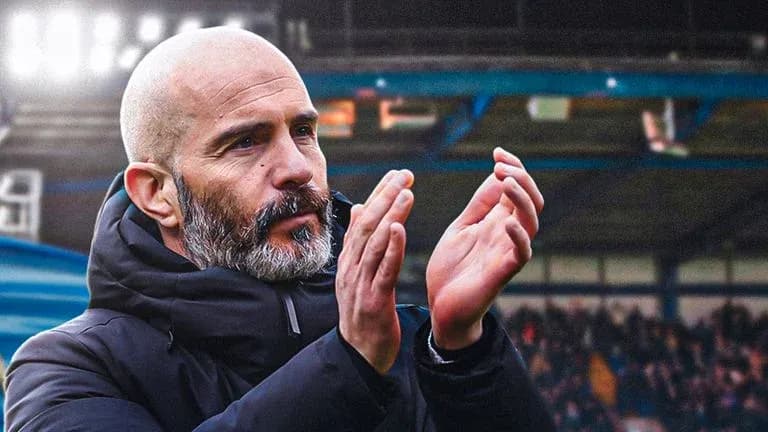
Enzo Maresca Begins Manchester City Era: A Privilege and Challenge
Enzo Maresca walked into his first day as Manchester City manager fully aware of the shadow looming over him – and smiled.
To replace Pep Guardiola at the Etihad is to inherit a dynasty, not just a dugout. Twenty trophies in ten years, a style of football that reshaped the league, a standard that turned domestic dominance into routine. Most coaches would talk about pressure. Maresca chose a different word.
“First of all, I have to say that it’s a privilege,” the Italian said in his opening press conference as City boss.
He didn’t try to dilute the scale of the task. He didn’t pretend Guardiola was just another predecessor. He put him on a pedestal and then calmly accepted the climb.
“I’ve said many times that I consider Pep probably the best coach in the world in the last 20, 25 years. But again, it’s a challenge. It’s nice. It’s a privilege.”
This is not a typical succession story. When serial winners leave, clubs often drift. The example sits just across town. Manchester United have spent more than a decade trying, and failing, to replace the certainty Alex Ferguson brought to Old Trafford. The trophies slowed, the identity blurred, the aura faded.
City believe they are built differently. Maresca clearly agrees.
“I think the organisation is the main thing,” he said. “They had three managers in 17 years. This is not normal, it doesn’t happen often.
“So this is probably one of the things that I’m confident that we can do a great job.”
That line matters. It reveals how he sees the job. Not as a one-man reinvention, but as a continuation of a structure that has been tightening its grip on English football for over a decade.
Maresca arrives with Premier League scars from Chelsea and Leicester, but also with a deep understanding of the City model, its demands and its expectations. He knows this club does not tolerate drift. The platform is there, the machinery is in place, the standards have been set at a historic level.
Now comes the hard part: proving that the Guardiola era was not the end of something, but the beginning of a new, relentless phase.