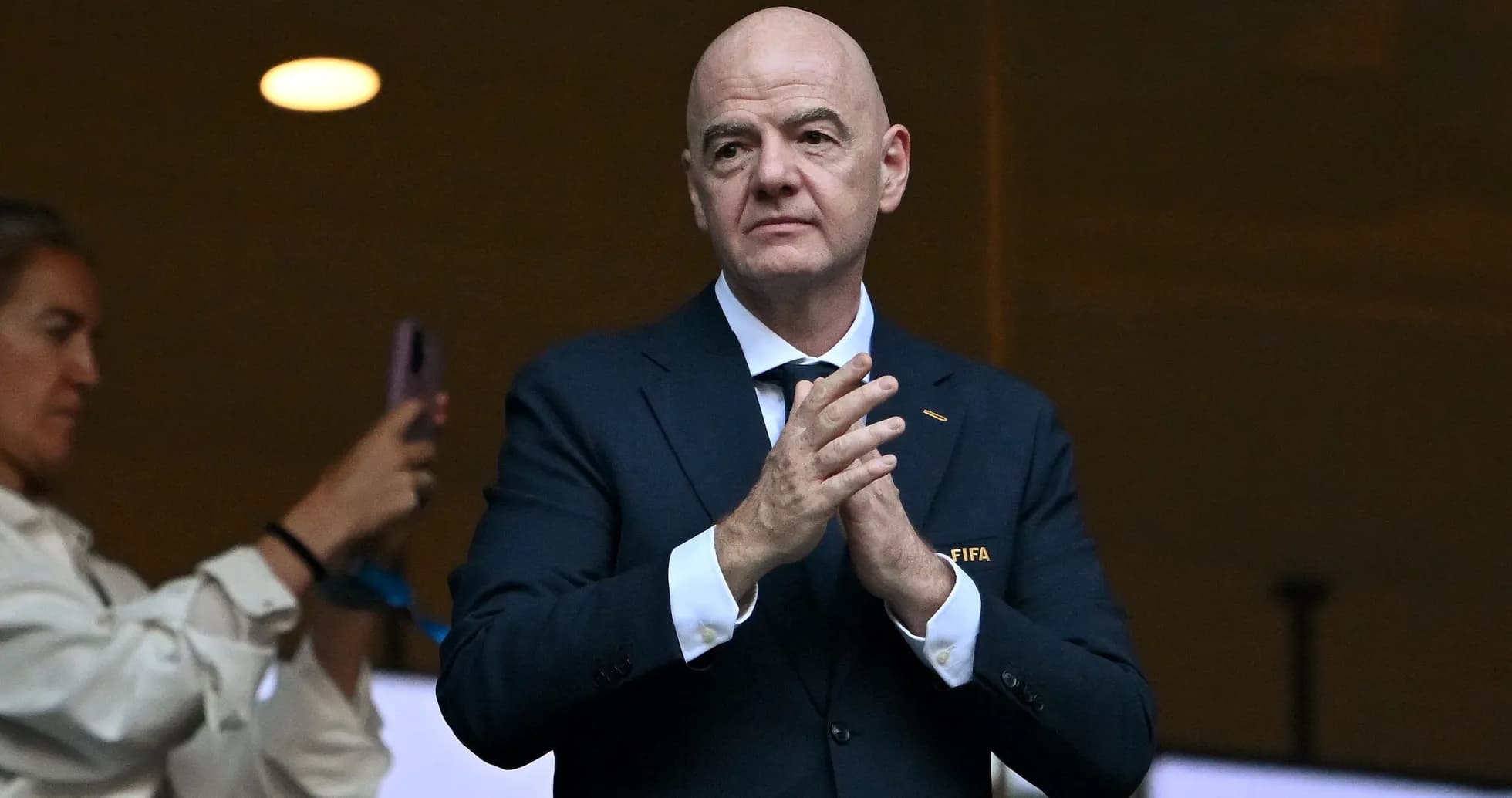
European Nations Threaten FIFA Boycott as Infantino's Authority Wanes
The threat is no longer theoretical. England and a cluster of powerful European nations are now openly weighing a boycott of FIFA competitions, and Gianni Infantino’s presidency has never looked more fragile.
What began as another grand commercial project from Zurich has exploded into a full‑scale political revolt. Infantino’s plan to create a new subsidiary to manage and sell off major stakes in FIFA’s crown jewels – including the World Cup – detonated last week, sending shockwaves through the game. By Friday night, the scheme had collapsed. The anger has not.
UEFA draws a hard line
UEFA’s message could not be clearer, or colder. In a statement to Sky News, a spokesperson laid out the conditions for their associations’ continued participation in FIFA competitions: the sell‑off proposals had to be withdrawn, and there had to be cast‑iron guarantees that such an attempt to, in their words, “disfigure the game” would never be made again.
Neither demand, UEFA says, has been met.
The European body went further, reminding FIFA that it had already publicly declared it had lost confidence in Infantino’s presidency. That stance, it stressed, “holds.” The latest attempt by Infantino’s allies to rally around him – staff “whose careers depend on his favour,” as UEFA pointedly put it – has done nothing to soften that position.
This is no longer a quiet boardroom disagreement. It is open warfare over who controls football’s future.
FIFA retreats, but digs in
Sensing the scale of the rebellion, Infantino and FIFA secretary general Mattias Grafstrom moved to stem the damage with a joint letter to associations. The tone was contrite. They expressed regret over how the commercial plan had been rolled out and admitted to “errors” both in the proposal and in the chaotic aftermath once it leaked.
“We sincerely apologise for these errors and commit to them not happening again,” the letter read, promising a review and a report to be presented to the FIFA Council at its next scheduled meeting.
Yet for all the apologetic language, there was no hint of the sweeping leadership changes many in Europe now want. Infantino is not offering his job. He is offering a review.
At the same time, FIFA’s hierarchy moved to defend the very project that had provoked such outrage. The leadership insisted the scheme sat squarely within FIFA’s statutes and bristled at the torrent of criticism that followed.
“With the project withdrawn, FIFA will no longer tolerate any attacks on its integrity, good governance and due process,” the letter warned, vowing to “take all necessary measures to protect and safeguard its name and reputation.” Everything, they insisted, “was done in full compliance with the FIFA regulatory framework.”
The message was unmistakable: we may have pulled the plug, but we stand by what we tried to do – and we will not accept being painted as villains.
World Cup future in the balance
That stance has done little to calm the global football community, which recoiled at the idea of parcelling off chunks of the World Cup – the sport’s most treasured tournament – to external investors. For many in Europe, it crossed a red line.
Now the consequences are moving from the political arena to the pitch.
The first flashpoint could come as soon as next month. England’s youth and senior teams are already in the firing line, with the Women’s U20 World Cup looming large. England have named a training squad, but their participation now sits in the shadow of a possible boycott.
If that tournament becomes the opening act of a wider standoff, the stakes rise sharply in the autumn. The qualifying play-offs for the 2027 Women’s World Cup are scheduled for October and feature England, Scotland, Wales, Northern Ireland and the Republic of Ireland. Those fixtures are supposed to be a showcase of European strength. Instead, they could become a barometer of Infantino’s survival.
A depleted World Cup is no longer an unthinkable scenario. It is a live risk.
UEFA has drawn its battle lines. FIFA has apologised, but not surrendered. The next whistle to blow may not be on a pitch, but in a boardroom that decides whether some of the game’s biggest nations even turn up.