FC Iberia 1999 vs Jagiellonia: Europa League Play-off Preview
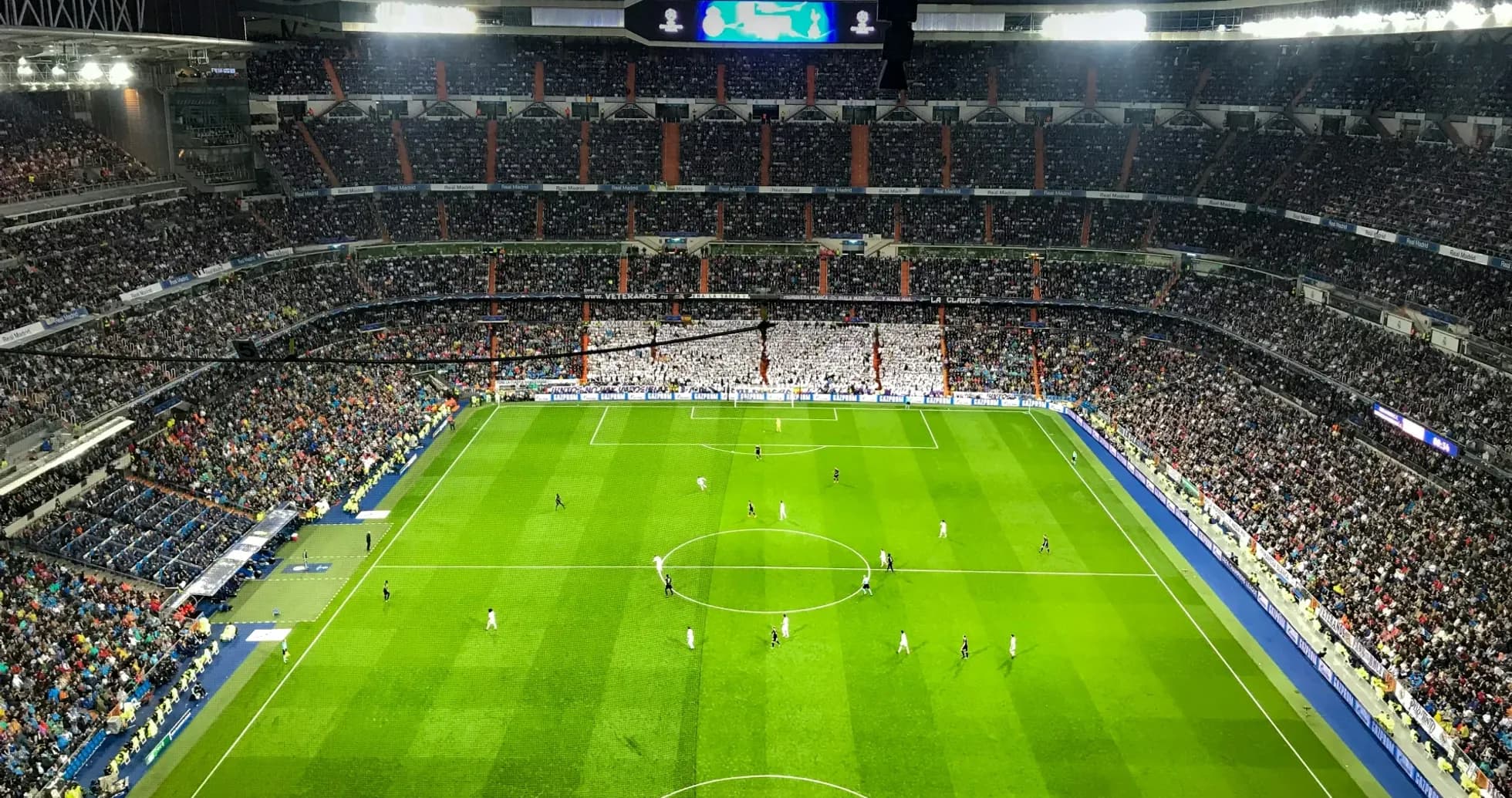
On 27 August 2026, the lights of Mikheil Meskhi Stadium in Tbilisi will frame a Europa night that could define the summer for FC Iberia 1999 and Jagiellonia. The Georgian side return home wounded but not beaten after a heavy first-leg defeat, clinging to the hope that their own crowd can spark a turnaround. Jagiellonia arrive with a commanding advantage and the confidence of an unbeaten European run so far, aiming to finish the job and secure their passage from the Play-offs into the UEFA Europa League proper.
Season Context
With no full standings table available, the clearest picture of FC Iberia 1999’s European campaign comes from their three matches so far: 1 win, 1 draw and 1 defeat, with 2 goals scored and 5 conceded across those games. That record underlines a side still learning at this level, capable of edging a tight home contest (2-1 in their best win) but vulnerable when stretched away from Tbilisi (4-0 in their heaviest loss).
Jagiellonia’s Europa journey has been far more assured: across their three matches they remain unbeaten, with 2 wins and 1 draw. They have scored 7 goals and conceded only 2, a balance that speaks to both attacking fluency (2.3 goals per match) and defensive control (0.7 goals conceded per match). Their 4-0 home win in the first leg was not an outlier but a reflection of a team that has adapted quickly to continental demands.
Form & Momentum
Recent form tilts clearly towards the visitors. FC Iberia 1999’s run of DWL in Europa play tells the story of a promising start that has stalled. They average 0.7 goals scored and 1.7 conceded per match over their three games, a negative goal difference that matches the eye test of a side that struggles once opponents raise the tempo. Their last five performance indices reinforce that: their overall recent index sits at 44, with a low attacking value of 11 but a more respectable defensive value of 72, suggesting a team that can dig in but rarely impose itself going forward.
Jagiellonia’s sequence of WDW reflects a team in control of its ties. They have combined a strong attack (7 goals in 3 games) with a compact back line (only 2 conceded), and their last five indices underline that superiority: an overall rating of 78, with attack at 39 and an impressive defensive index of 89. In other words, they are not only more prolific than FC Iberia 1999 but also significantly harder to break down, a combination that makes comebacks against them particularly difficult.
Head-to-Head Patterns
The history between these clubs is short but already sharply defined. There is only one competitive meeting on record, and it came just a week before this return leg. On 20 August 2026, at Chorten Arena, Jagiellonia dismantled FC Iberia 1999 by 4-0 in the UEFA Europa League Play-offs (UEFA Europa League, season 2026, August 2026). That match, with Jagiellonia at home and FC Iberia 1999 away, set a clear benchmark: the Polish side’s pace and efficiency overwhelmed their Georgian visitors. With no other non-friendly clashes between them, that 4-0 stands as the sole reference point—and a daunting one—for Iberia as they prepare for the rematch in Tbilisi.
Tactical Preview
FC Iberia 1999 have leaned on a 4-3-3 structure across their three Europa fixtures, a shape designed to give width in attack but which has not yet translated into goals on the road. At home, they have been more competitive: 2 goals scored and only 1 conceded in their single Tbilisi outing suggest that, with the crowd behind them, they can press higher and commit more numbers forward. However, the broader numbers—2 goals for and 5 against across 3 games—show that when their full-backs push on, spaces appear in transition, something Jagiellonia exploited ruthlessly in the first leg.
The Georgian squad list hints at how they might respond. With several young defenders such as G. Gogsadze and N. Bochorishvili alongside more experienced figures like V. Mudrac and V. Selimović, Iberia could opt for a slightly more conservative interpretation of the 4-3-3, keeping one full-back deeper to protect against counters. In midfield, players like B. Kardava and G. Kutsia offer work rate and ball progression, while attackers such as Z. Natchkebia and A. Dzagania will be tasked with finding early goals to make the tie interesting.
Jagiellonia have also favoured a 4-3-3, using it with notable success in their two recorded lineups. Their attacking output—7 goals in 3 games, including 6 at home—speaks to a front line that rotates intelligently, with wide players stretching the pitch and midfielders like Jesús Imaz and Sergio Lozano able to arrive late in the box. The defensive numbers are equally impressive: just 2 goals conceded across those same 3 matches, with only 1 goal allowed at home and 1 away, underline a back four that rarely loses its shape.
The Polish side’s squad depth gives them options to manage the second leg. Defenders such as Bernardo Vital, Y. Kobayashi and D. Stojinović provide a solid core, while attackers like K. Jóźwiak and N. Prelec can hurt Iberia on the break. With a four-goal cushion, Jagiellonia can afford to sit slightly deeper, invite Iberia onto them and then exploit the spaces that open up—exactly the scenario that the Georgian side will fear but may be forced to risk if they are to chase the tie.
Statistical Snapshot
- Competition: UEFA Europa League, season 2026 — 27 August 2026.
- Venue: Mikheil Meskhi Stadium, Tbilisi.
- Prediction: Win or draw — Double chance : draw or Jagiellonia.
- Win Probabilities: Home 10% / Draw 45% / Away 45%.
- Model: FC Iberia 1999 35.5 — Jagiellonia 64.5.
Betting Verdict
The analytical models and the first-leg evidence both lean heavily towards Jagiellonia avoiding defeat in Tbilisi. Bookmakers price the away win between roughly 1.80 and 1.87, implying an away victory probability in the region of about 53–56%, while FC Iberia 1999’s home odds between roughly 3.80 and 4.13 suggest only around a 24–26% chance of a Georgian win. Combined with the prediction model’s 10% home / 45% draw / 45% away split and the comparison index favouring Jagiellonia 64.5 to 35.5, the case for a conservative angle is strong. Given Iberia’s limited attacking output (2 goals in 3 games) and Jagiellonia’s unbeaten, balanced form (7 scored, 2 conceded), the double chance on draw or Jagiellonia aligns with both statistics and the tactical dynamics of a second leg where the visitors can manage the game from a position of strength.