Fifa's Controversial Ban on Reusable Water Bottles for World Cup
Seven days before the World Cup kicks off on 11 June, Fifa has quietly torn up one of its most fan-friendly promises.
Reusable water bottles, which had been explicitly allowed in the official stadium code of conduct, are now banned from all World Cup venues. Cups, jars and cans have also been added to the prohibited list, with Fifa citing safety concerns and the risk of objects being thrown from the stands.
The original guidance could not have been clearer: “For the avoidance of doubt, empty, transparent, reusable plastic bottles, up to (1 litre in) capacity, may be brought into the stadium.” That line has gone. In its place, a harder stance and a familiar argument about crowd control.
“Fifa is committed to protecting the health and safety of all players, referees, fans, volunteers, and staff,” football’s world governing body said in a statement, defending the late U-turn as a move to reduce the chance of injury from missiles launched from the stands.
The timing, though, is explosive.
This World Cup is already under scrutiny from heat experts, with scientists warning that Fifa’s heat safety measures are “inadequate”. Temperatures at 14 of the 16 host venues are expected to push into dangerous territory, and hydration has been one of the central concerns for medical advisers and fan groups alike.
Fifa insists it has planned for that. The organisation says it is working “closely with each host city committee and local authorities on heat mitigation factors for fans travelling to the stadium”, pointing to misting stations, fans, hydration stations and cooling tents around the stadium footprint as part of its response.
Inside the venues, Fifa has promised that water will be available to buy and has pledged not to hike prices for the tournament, saying that “pricing for water bottles for the Fifa World Cup 2026 will remain consistent with other events held at each stadium”.
That assurance will be tested from the first matchday.
Supporters are already angry at what they see as a pattern: soaring ticket prices, inflated train fares, and now the removal of a simple, cost-saving option in the name of safety. The phrase “extortionate” has followed this tournament’s pricing structure from the moment tickets went on sale.
For many, the bottle ban is a painful reminder of Qatar 2022, where fans were also stopped from bringing bottles into stadiums. They had hoped lessons had been learned. Instead, they see history repeating itself.
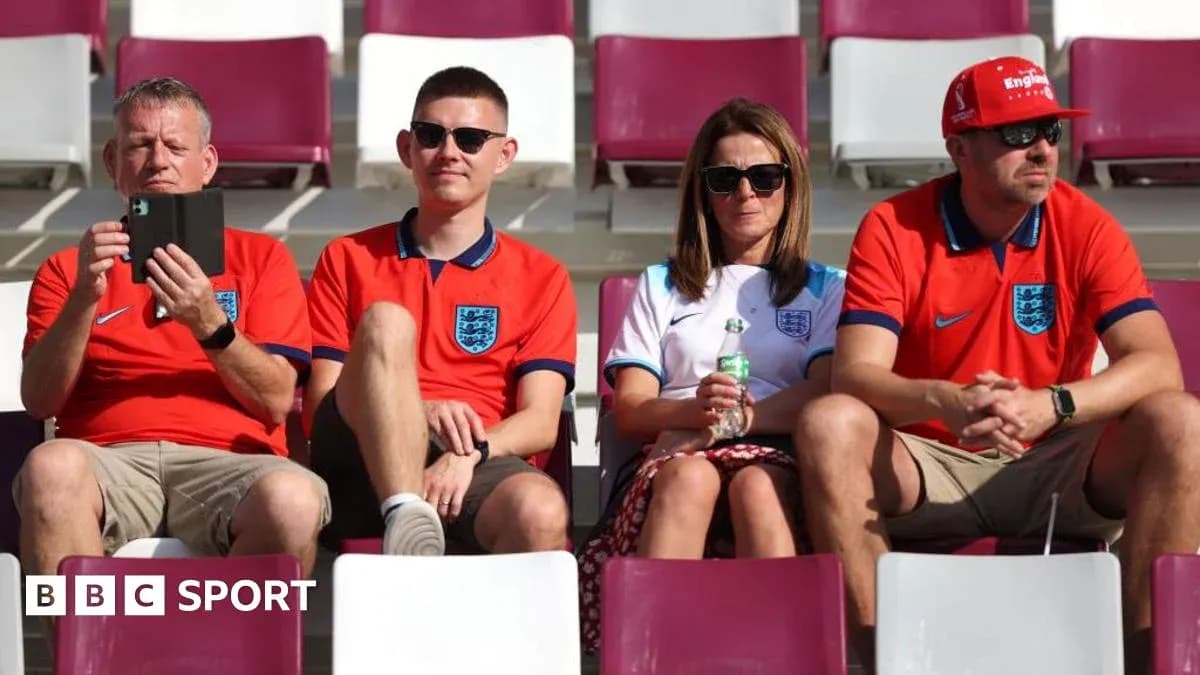
The Free Lions England fans’ group did not hide its frustration, calling the move a “strange, late change”. In a statement on X, the group said that free water availability had been a “key” topic in discussions with Fifa and that they had been assured not only of free water in stadiums but also that supporters would be allowed to bring their own bottles.
Those assurances have evaporated in the space of a week.
“Naturally, the immediate thought from supporters is this is just the latest money-grab,” the group said. With many stadiums open-air and temperatures forecast to soar, their plea was blunt: “For how hot the stadiums will be, many in open air, just let fans bring a bottle if they want to.”
What remains is a stand-off between policy and perception. Fifa leans on security and stadium safety; supporters look at the heat, the costs and the late change and see something very different.
One detail will now come under intense scrutiny: the water fountains. “We hope the water fountains in stadiums will still be free,” Free Lions added, “hopefully you aren't charged in the queue!”
As the countdown to kick-off continues, that hope may define the matchday experience as much as anything that happens on the pitch.