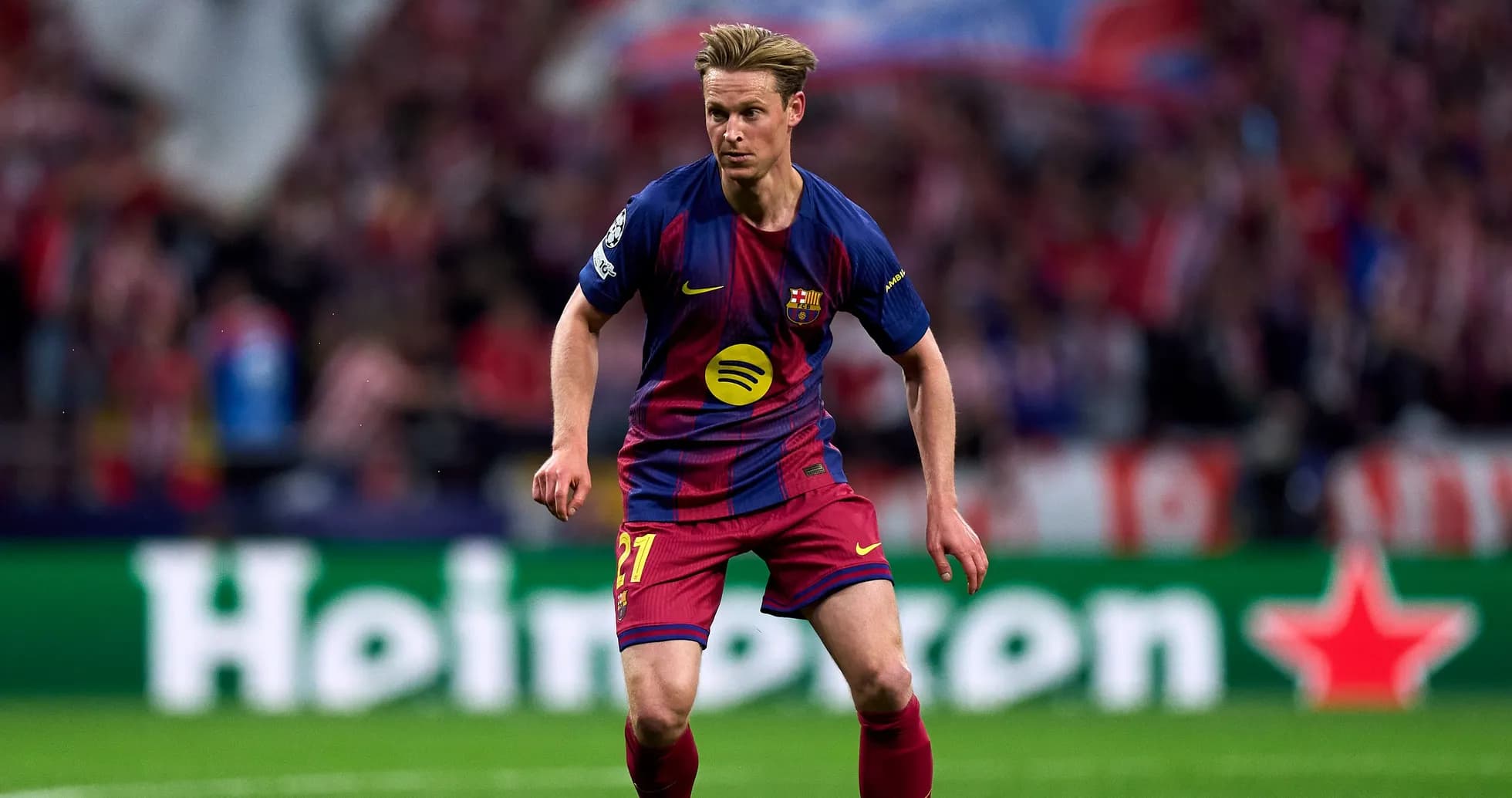
Frenkie de Jong's Recovery Journey: Navigating Injury and Schedule
Frenkie de Jong’s road back to the Barcelona midfield is turning into a long, delicate negotiation between pain, patience and a brutal calendar.
The 29-year-old Dutchman is still working his way through the knee injury he suffered at the start of September, and his return is not around the corner. Current estimates inside the club suggest he will not be fully fit before October – and that’s only if his right knee responds as hoped and he avoids any setbacks.
A delayed diagnosis
The story of this injury has been messy from the start. As reported by Spanish outlet Mundo Deportivo, De Jong tore the medial collateral ligament in his right knee during the World Cup. Barcelona officially confirmed that diagnosis on 23 July, but the information reaching Hansi Flick’s staff indicates the problem actually began around 16 June, during a training session with the Netherlands national team.
The diagnosis, though, arrived far too late. The Dutch medical staff initially misread the injury, allowing De Jong to keep playing. He pushed through the pain, finished his World Cup on 30 June, and then disappeared for a two-week holiday in Ibiza rather than reporting back immediately to Barcelona.
Only then did the full picture start to emerge. Barça did not get an accurate reading on the severity of the damage until 13 July, almost a month after the injury is believed to have occurred. By that stage, valuable recovery time had already been lost.
Conservative path, divided opinions
Once the extent of the ligament tear was finally clear, De Jong faced a key decision. He chose the conservative route: rest, rehab and targeted treatment instead of going under the knife.
Not everyone at the club agreed. Barcelona’s medical staff believed surgery was the safer and more definitive solution, but the midfielder held firm. The club, wary of forcing a player into an operation he did not want, accepted his call. Both sides settled on a compromise: they would track his progress week by week, guided by his pain levels and how his knee reacted to the workload.
The next big checkpoint is already circled in red.
The international break as a final push
Inside Flick’s staff, the message is clear: the next formal assessment of De Jong’s condition will come after the upcoming international break, which runs from 21 September until La Liga resumes on 10 or 11 October.
De Jong views that gap in the schedule as his window. No club games, no travel, just time to work. He plans to use the break to give his conservative treatment one last decisive push.
The target date is ambitious. By 8 October, the Dutchman hopes to be back in full group training, coinciding with the return of his international teammates to Barcelona’s sessions. For that to happen, he needs more than just a pain-free knee. The ligament in his right knee must hold up under increasing intensity, and he has to regain a minimum level of match rhythm before Flick can risk him in a competitive fixture.
And that is where the real tension lies.
Brutal run of fixtures looming
Barcelona’s schedule after the break leaves no room for gentle reintroductions. Waiting on the other side are Getafe, Galatasaray, Real Betis, Paris Saint-Germain and then Real Madrid in the Clasico on 25 October. It is a run that demands maximum physical and mental sharpness, not a tentative comeback.
Dropping De Jong straight into that sequence without full guarantees would be a gamble. Leaving him out, if he feels ready, would be another kind of risk in a season where every point and every European night matters.
Hansi Flick will stand at the centre of that decision. He must weigh medical advice, the player’s own sensations and the ruthless reality of the fixture list. De Jong wants to be back with the group by early October. Barcelona want him available and reliable when the giants arrive.
Somewhere between those two needs lies the call that could shape Barça’s autumn.