Getafe's Tactical Masterclass at Bernabéu: Defeating Madrid 1-0
Sterile domination undone by Getafe’s compact 5-4-1 and ruthless efficiency at the Bernabéu
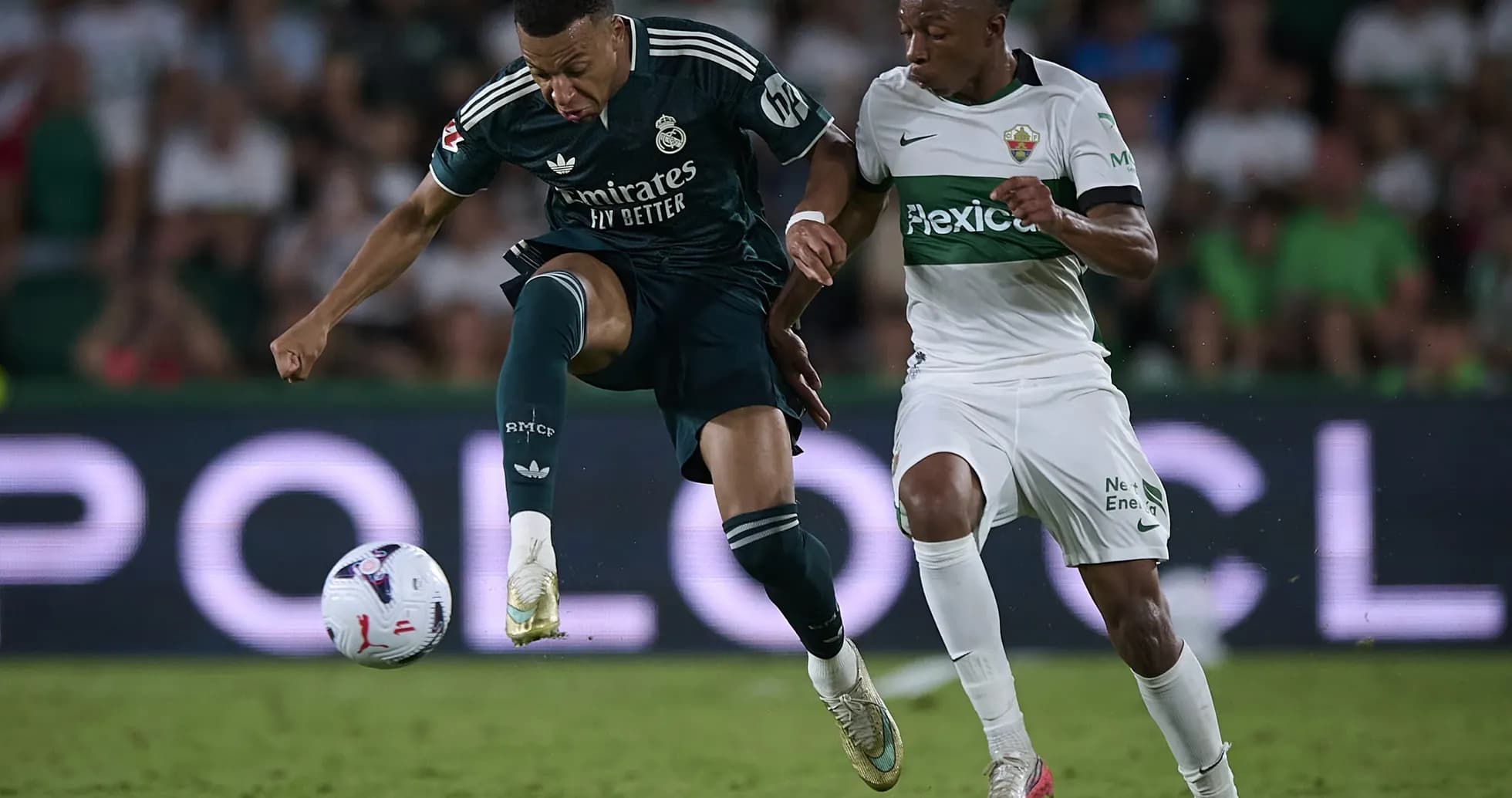
Real Madrid had overwhelming territorial and ball control, posting 77% possession and completing 606 of 675 passes (90% accuracy). This was classic sterile domination: long phases in Getafe’s half but without enough disruption of the visitors’ deep 5-4-1 block. Getafe accepted just 23% possession and only 128 accurate passes from 200 attempts, clearly prioritising compactness and direct clearances over build-up. The game’s tempo was dictated by Madrid’s circulation, but Getafe controlled the risk profile. The 0-1 scoreline, with Getafe already ahead by half-time, allowed them to sink even deeper, slow the game with fouls, and turn it into a low-event contest in their own box.
Offensive Mechanics & xG Analysis
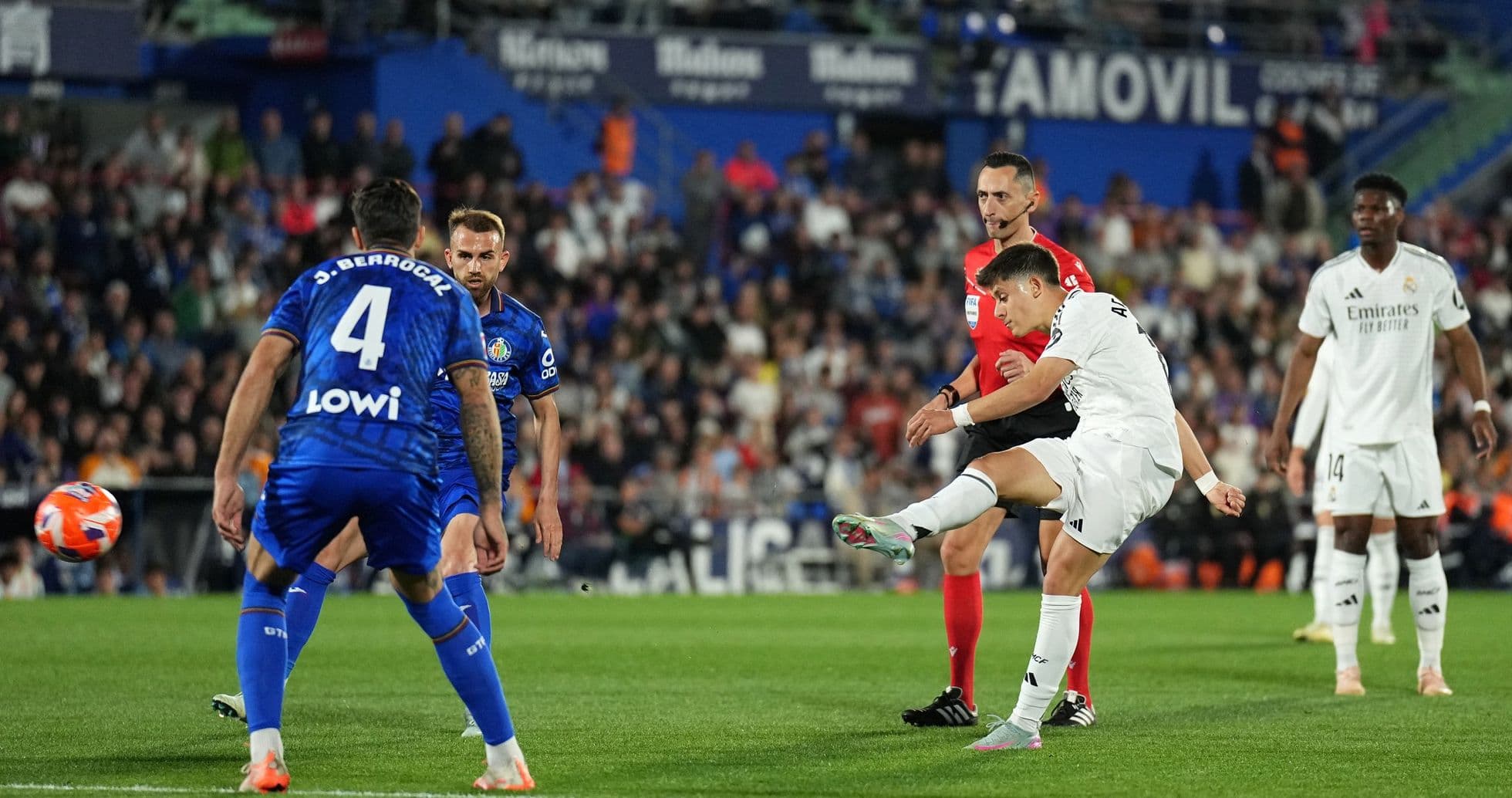
Madrid’s attacking plan was volume-based penetration through wide overloads and half-space combinations in a 4-2-3-1. They produced 18 total shots, 7 on target, and a strong 1.91 xG, indicating they managed to create several good-quality chances, especially with 15 attempts inside the box. Ten corners underline sustained territorial pressure and repeated final-third entries, as Getafe were forced to concede set pieces to reset their block.
Yet Getafe’s defensive structure forced Madrid into congestion rather than clean finishes. Both sides recorded 4 blocked shots, showing each defence had to resort to last-ditch blocks in the area, but for Madrid this meant key efforts were smothered before truly testing the keeper. Getafe’s 7 saves, compared with Madrid’s 2, confirm the hosts were the more active attacking side, but the visitors were far more efficient: 9 shots, 3 on target, and only 0.49 xG still yielded the decisive goal from open play. That gap between low xG and one goal illustrates clinical finishing on limited counter-attacking opportunities.
Defensive Intensity & Game Management
The defensive tone was clear: Getafe committed 17 fouls to Madrid’s 11, drawing six yellow cards and a late red for Adrián Liso for time wasting. Early cautions for Kiko Femenía (8') and Mauro Arambarri (35') reflected an aggressive midfield screen, willing to foul to stop Madrid’s progress. Madrid’s own four yellows plus a stoppage-time red for Franco Mastantuono show frustration and poor emotional control as they chased the game.
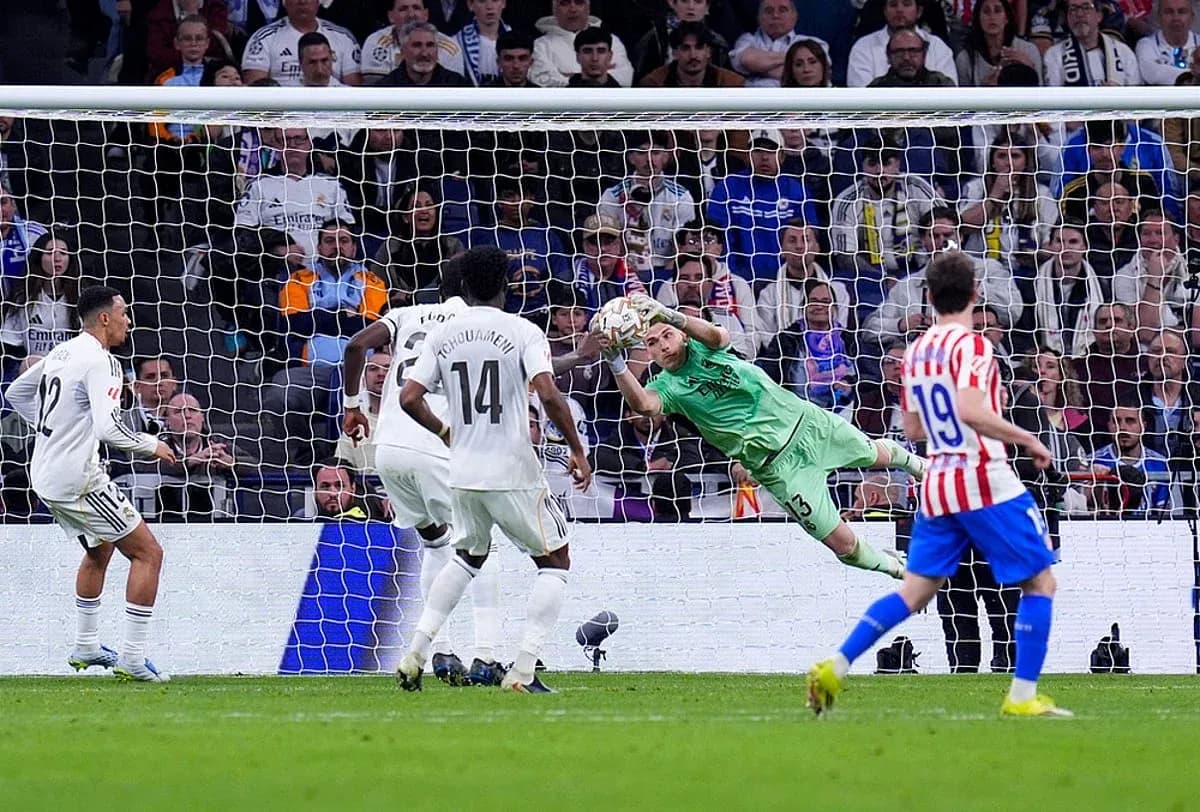
In goal, David Soria’s 7 saves, combined with an estimated 2 goals prevented, underline elite shot-stopping as a central pillar of Getafe’s plan. Thibaut Courtois faced only 3 shots on target, saving 2, which confirms how rarely Madrid’s high line was actually exposed. The cluster of cards in stoppage time on both sides reflects pure game management: tactical fouling, arguments, and deliberate delays to protect or chase the result.
Getafe’s compact 5-4-1, heavy fouling strategy, and clinical use of limited chances outperformed Real Madrid’s high-volume but inefficient attacking. Madrid’s dominance in possession, shots, and xG could not break a disciplined low block backed by outstanding goalkeeping and cynical, but effective, late-game management.