Jamal Musiala's Recovery Journey: From Injury to Optimism
Jamal Musiala’s last year in football has been brutal.
Twelve months ago he was Bayern’s dazzling No.10, one of Europe’s most watchable young footballers. Then came the 2025 FIFA Club World Cup, a broken ankle and six months staring at the game from the outside. Plates, screws, rehab. The kind of grind you don’t see on highlight reels.
He fought his way back. Twenty-four appearances across the Bundesliga, German Cup and Champions League followed, but not the version of Musiala that had lit up Munich. The touches were there, the movement too, yet the sharpness, the chaos he usually brings to a game, flickered more than it burned.
The 2026 World Cup offered a different kind of stage. Musiala pulled on his country’s colours and added more minutes to tired legs and a still-recovering body. The end product stayed elusive. This was a talent still searching for his old rhythm, chasing the spark that once seemed to come so easily.
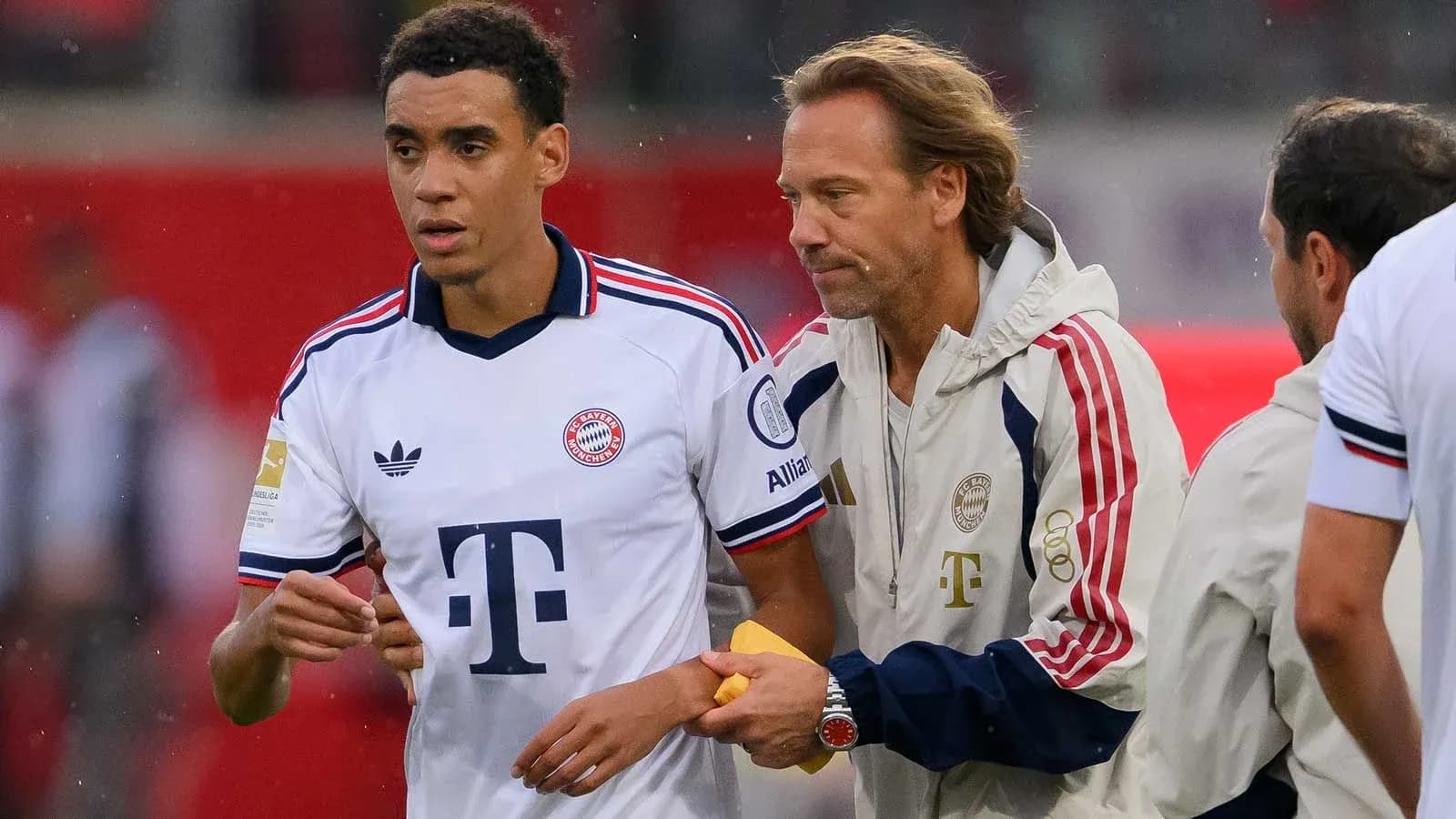
Bayern had pencilled him in as a central figure for 2026-27. Instead, the club’s medical department has seen more of him than Thomas Tuchel or Vincent Kompany ever planned. During a pre-season friendly against RB Leipzig he fainted. A few days later, against Heidenheim, he collapsed again. Alarms rang well beyond Säbener Straße.
Then Musiala stepped forward himself.
On social media he revealed the diagnosis: “temporary, brief, but easily treatable absence seizures” caused by a neurological dysfunction. He explained that these episodes had led to the incidents against Leipzig and Heidenheim, admitted they can look frightening, but insisted they have become “part of my everyday life”. He stressed he is receiving “excellent medical treatment” and remains “very optimistic”, thanking FC Bayern, family and friends for standing with him.
The football world paused. The conversation around Musiala shifted in an instant from form and goals to health and stability.
Dietmar Hamann knows what Musiala can do with a ball, yet even he parked the tactical talk. Speaking to GOAL in association with BetVictor Online Casino, the former Germany midfielder underlined the only priority that matters now.
“Obviously, after his injury, when he came back in January, he didn't find the form he had before,” Hamann said. “It was always said it's down to his foot because he still had the screws and a metal plate in his foot, which came out now in the summer. We need to see.
“I struggle to talk about the footballing side of it because I think the most important thing now is for him to get healthy. Once he does get healthy and get these issues under control, I think the rest will take care of itself.
“Whether he will be able to get to the level he was two or three years ago, I think at the moment nobody knows. But I think I speak for every football fan, we all hope so.”
That hope is shared by the man now charged with shaping Germany’s future.
Jurgen Klopp has barely settled into the national team job, yet Musiala already sits at the heart of his long-term plans. The new Bundestrainer has not overloaded the 21-year-old with calls and demands. He chose a different route.
“We didn’t speak on the phone. I sent him a voice message,” Klopp explained. “He doesn’t know me at all and doesn’t have my number. I think if I had called him, he wouldn’t have answered for three days because he wouldn’t have recognised my number. He responded to the message.
“He’s in a situation that you wouldn’t wish on anyone, especially not a young guy like him. But everything should turn out fine, everyone agrees on that. I reassured him that this wouldn’t have any impact on the national team.”
The message from Klopp was clear: no pressure, no ultimatums, no deadlines. Just support.
“That’s all I can do for him,” he added. “Vincent Kompany confirmed to me that he was in incredible shape. After the metal plate and screws were removed, he was back to his old self, or even better. Now this has happened for the reasons we know.
“What’s important now is that he is given the necessary time, and that he gives himself that time as well. Young players normally don’t have any problems, apart from becoming impatient, and of course you can’t afford to be impatient during a phase like this.
“He’s at the perfect club, in the perfect environment for that, and we also want to do our part. And we’re telling him: ‘Son, first get healthy, and then the door is open for you’.”
So the spotlight that once followed Musiala’s every feint and dribble now waits at a respectful distance. Bayern can plan without him for as long as they need to. Germany can sketch line-ups for tomorrow knowing their No.10 of the future will be welcomed back whenever he is ready.
The next time Jamal Musiala steps onto a pitch, the questions will come again. Not just whether he can reach the level of two or three years ago, but whether he can surpass it after everything his body and mind have been through.