Jeff Bezos-backed consortium takes larger stake in Liverpool
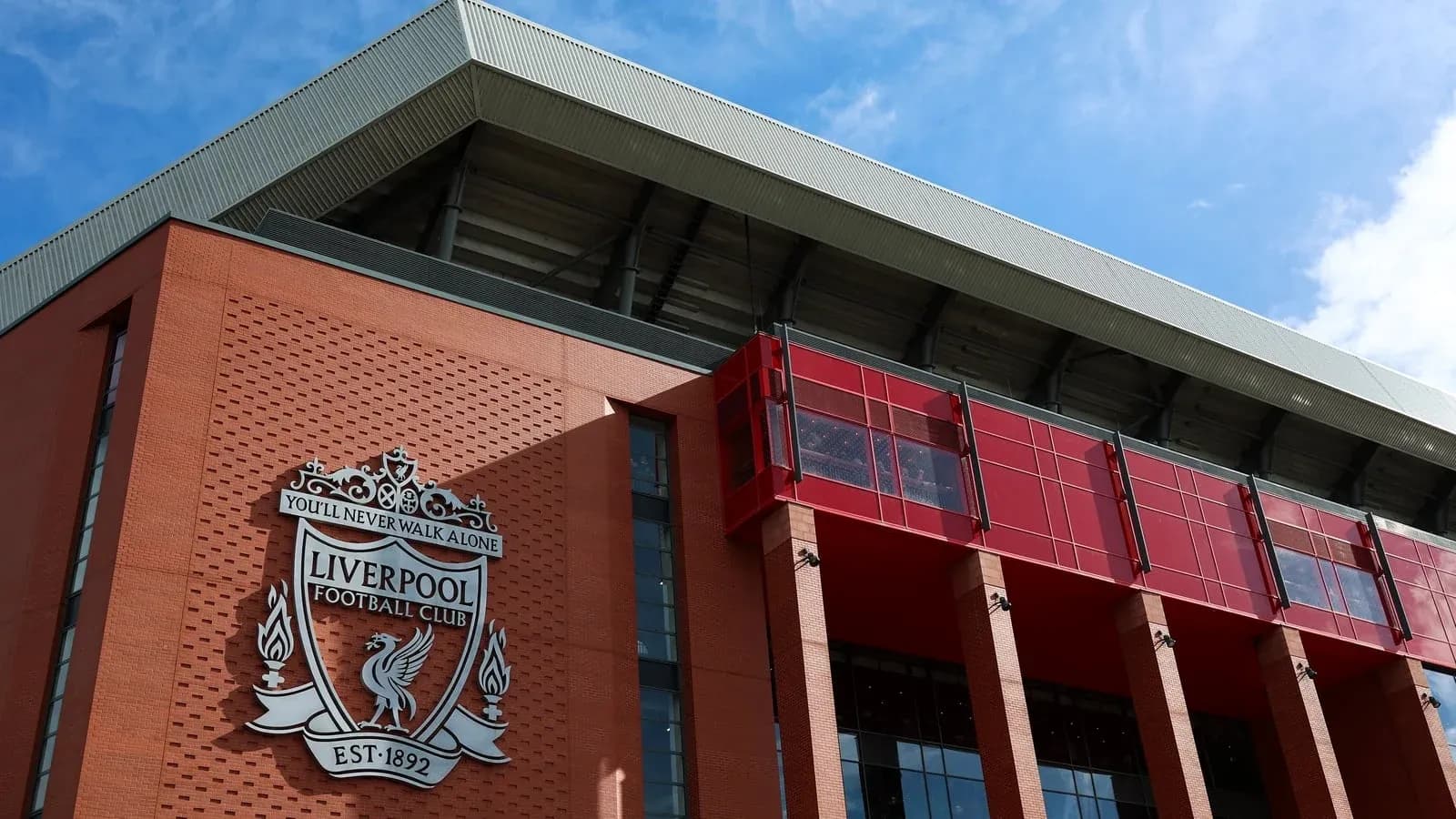
Liverpool’s new era of billionaire backing runs deeper than first thought.
The consortium featuring Amazon founder Jeff Bezos has taken a 38% stake in the club, a larger share than the “in the range of 30%” figure initially floated when the deal was announced. In reality, the agreement landed much closer to 40%, underlining the scale of the buy‑in at Anfield.
At the heart of the investment is 1892 Holdings, led by British-Indian businessman Amit Bhatia. The group has an option to move to a controlling stake within the next 12 months, though that possibility remains exactly that – an option, not a promise. There is no binding commitment to trigger a full takeover, and both sides are keen to stress that the paperwork simply allows for flexibility rather than mapping out an inevitable change of control.
When the deal was unveiled last week, sources close to the negotiations were adamant: the structure should not be read as a coded signal of Fenway Sports Group’s exit strategy. The documents create room for the relationship to evolve, but they are not a roadmap to another transaction and do not lock either party into a future sale.
FSG, Liverpool’s majority owners, were not driven to the table by financial strain. They were tempted instead by the chance to bring heavyweight partners into the boardroom. Alongside Bhatia and Bezos, the new investor group includes Facebook co-founder Eduardo Saverin, with his wife Elaine also taking a seat on an expanded board. Bezos is involved through K5 Sports, which will be represented at board level by Bryan Baum.
Bhatia, the son-in-law of Indian steel magnate Lakshmi Mittal and a former co-owner of QPR, has been FSG’s key counterpart throughout months of talks. His influence will now be formalised as he steps in as Liverpool’s new vice-chairman.
The deal values Liverpool between five and six billion US dollars, a figure that underlines the club’s standing among the game’s global superpowers.
What it does not do is hand Jürgen Klopp’s successors a sudden transfer war chest. The club’s stance is clear: this investment will not alter Liverpool’s transfer plans for the remainder of the window, nor will it change the budget already in place. Football and financial decisions will continue to be driven by Liverpool’s sporting operation, not by the shifting percentages in the boardroom.