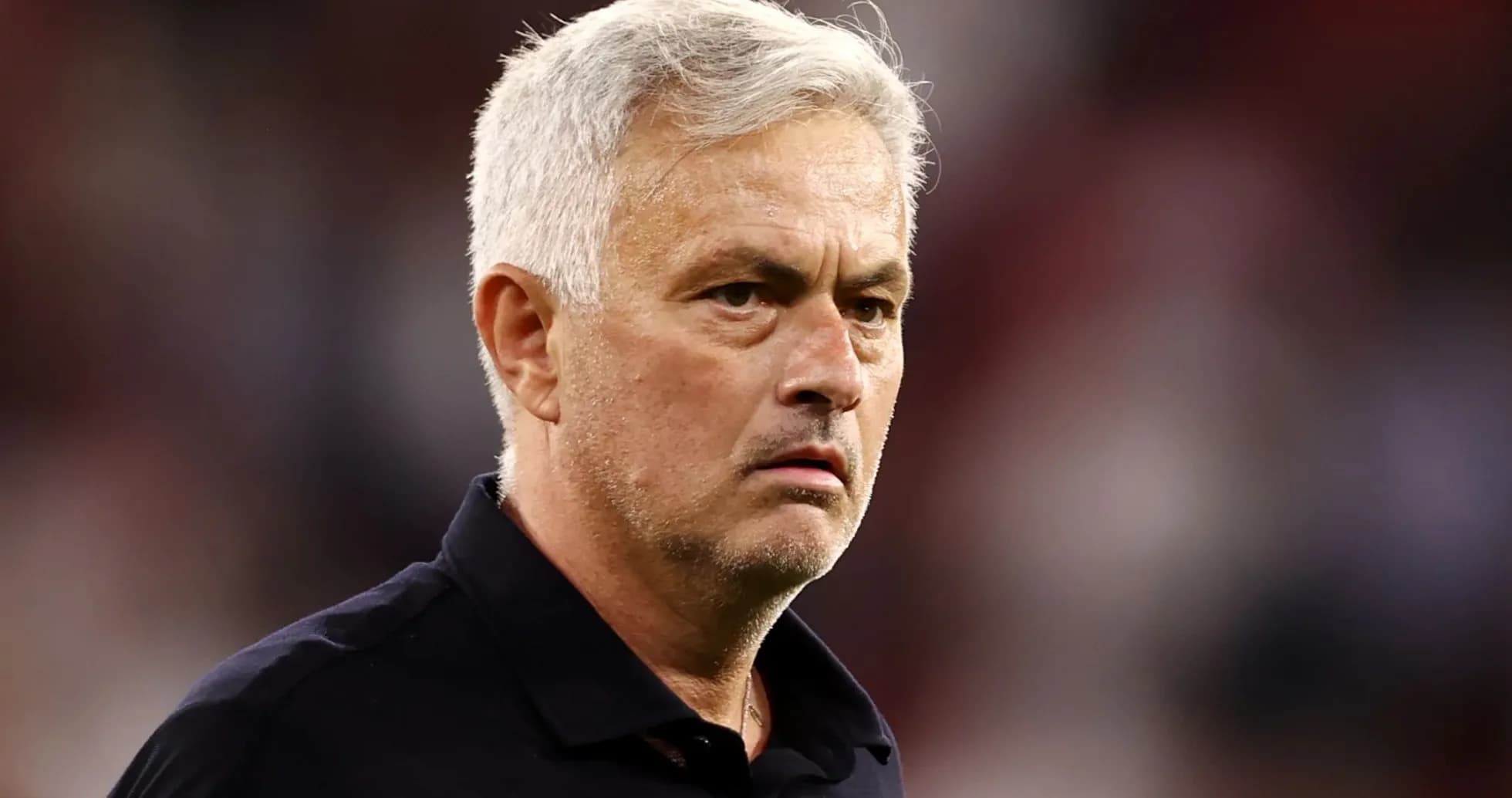
José Mourinho Reflects on Heartbreak of Sevilla Final
José Mourinho has lived enough nights in football to fill a library. Yet when he is asked to pick just one game to replay, his mind snaps back to Budapest and a Europa League final that still burns.
“Roma - Sevilla, Europa League final. Without Anthony Taylor!”
The answer comes quickly on the Beast Mode On Podcast with Adebayo Akinfenwa. No hesitation, no softening of the edges. That night, and that referee, remain lodged under his skin.
The final that will not fade
Mourinho’s Roma had become a snarling, stubborn cup side under his command, a team that believed it could out-suffer anyone in Europe. He had already dragged them to history in 2022, winning the inaugural Europa Conference League against Feyenoord and ending an 11-year wait for major silverware in the capital. Rome did not just celebrate; it erupted.
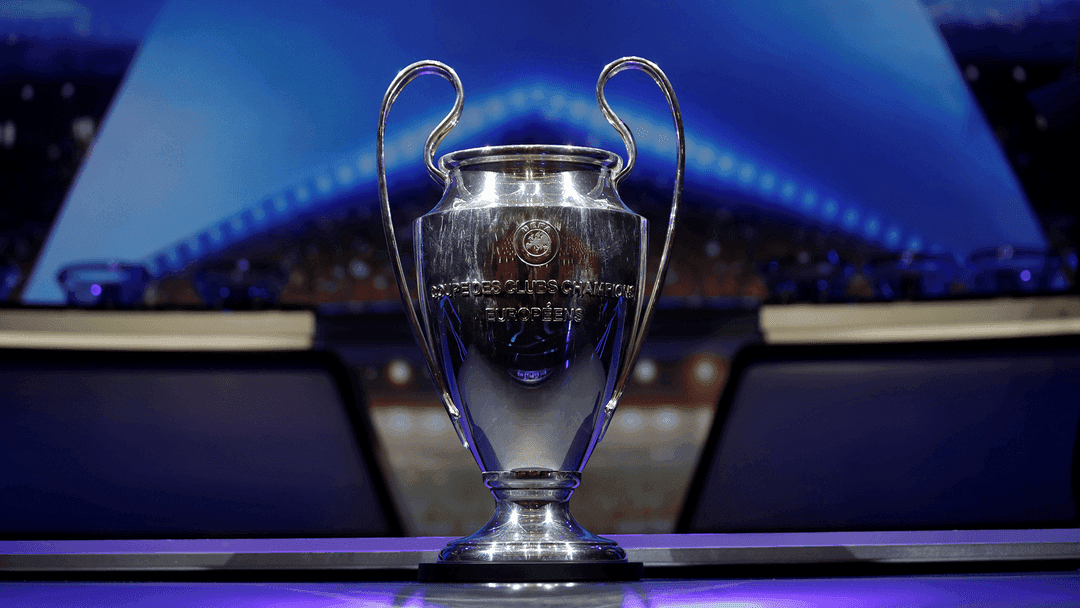
That victory completed Mourinho’s unique UEFA treble – Champions League, UEFA Cup/Europa League and Conference League. No one else has done it. Not yet.
Twelve months later came Sevilla, penalties, and heartbreak. A first defeat in a European final for Mourinho, delivered in the most agonising way. The match was ferocious, tense, constantly on the edge. When it was over, Sevilla had the trophy and Mourinho had fury, directing his anger at the Premier League-based officiating team led by Anthony Taylor.
Time has moved on. Careers have shifted. Mourinho is heading back to Real Madrid, the stage that once turned him into a lightning rod at the heart of Spanish football. Yet that final still stalks him. Ask him for a do-over, and he does not reach for a missed league title or a semi-final exit. He goes straight to Budapest, and to the referee’s name.
Rome, a city that lost its mind
For all the trophies on his CV – in Portugal, England, Italy and Spain – the Portuguese coach keeps circling back to Rome when he talks about pride.
“I did a few!” he says with a knowing shrug, before settling on the one that stirred him most. The Conference League win with Roma.
“When we won the Conference League in Roma, that city went mad.
“I believe that we did to that city what Champions League winners cannot do in other cities. Roma is a city where people are really, really, really in love with that club. A giant club with incredible passion. Absolutely incredible.”
It was not the Champions League. It was not the glamour of a Bernabeu final or a night under the lights at San Siro. It was something rawer. Roma had been starved of success, locked in a cycle of hope and frustration. Mourinho arrived, brought his siege mentality with him, and delivered something tangible to hold.
“Of course, when we won the Conference League it was the first season of the Conference League, I don't think Europe was giving [recognition] to the Conference League what it is giving now. When we arrived in Rome and we went for the parade around the Colosseum, Circus Maximus, you realise what you gave to those people.”
The images from that parade told the story: streets drowning in red and yellow, flares, flags, tears. A secondary competition on paper; a title that felt like salvation in reality.
Anfield’s roar and Madrid’s room
Mourinho has walked into some of football’s most intimidating arenas. Asked to name the most difficult away ground he has faced, he does not dress it up. Anfield.
Liverpool’s home, with its steep stands and suffocating noise, has tested him across eras and clubs – from those ferocious Chelsea battles with Rafael Benítez to later duels with Manchester United and Tottenham. The answer underlines what every visiting coach feels there: you are not just playing 11.
When the conversation shifts from stadiums to dressing rooms, his eyes go back to Spain. Real Madrid, he says, have the best dressing room. And now he is returning to it.
This time, he walks into a space brimming with generational talent. Jude Bellingham, already the heartbeat of the midfield. Kylian Mbappé, the superstar finally in white. Vinícius Júnior, electric and unrelenting on the flank. Mourinho has signed a three-year contract to work with them again, to step back into a club where pressure is oxygen and trophies are not goals but obligations.
Back to the Bernabeu
His first spell at the Bernabeu between 2010 and 2013 was turbulent and compelling in equal measure. He broke Barcelona’s domestic dominance, won La Liga with a record-breaking points haul, and lifted the Copa del Rey. He also left a trail of controversy, conflict and unforgettable soundbites.
Those triumphs still matter to him. Yet when he speaks now, the pride in Rome’s explosion of joy sits right alongside the grandeur of Madrid.
Mourinho returns older, but not softened. The edges remain sharp. The grudges are still alive. The hunger clearly has not gone.
He wants to put Madrid back on what he calls “the trophy trail”. In a club that never really steps off it, the challenge is obvious: can the man who once turned the Bernabeu into a fortress do it again, in a new era, with a new cast of stars and the echo of old finals – won and lost – still ringing in his ears?