K League Players Demand Shift to Fall-Spring Schedule
South Korea’s leading players have thrown down a clear challenge to the K League: stop playing through the brutal peak of summer or risk the health of those on the pitch – and the league’s standing in Asia.
The Korea Pro-Footballers Association (KPFA) this week demanded a fundamental reshaping of the domestic calendar, urging a switch from the traditional Spring-Fall format to a Fall-Spring schedule as temperatures across the country smashed historic highs.
“The K League must transition to the Fall-Spring schedule to protect players from the worsening climate crisis and punishing summer heat,” the union said in a statement, adding that the change is also vital “to maintain the league’s leadership within Asia and its global competitiveness.”
That plea comes against a backdrop that feels less like a typical Korean summer and more like a warning siren. Earlier this month, the southeastern city of Yangsan hit 42.5 degrees Celsius (108.5 Fahrenheit) – the highest reading in decades of official records. Authorities urged residents to stay indoors. The country’s baseball league went so far as to suspend play for a full week as the heatwave intensified.
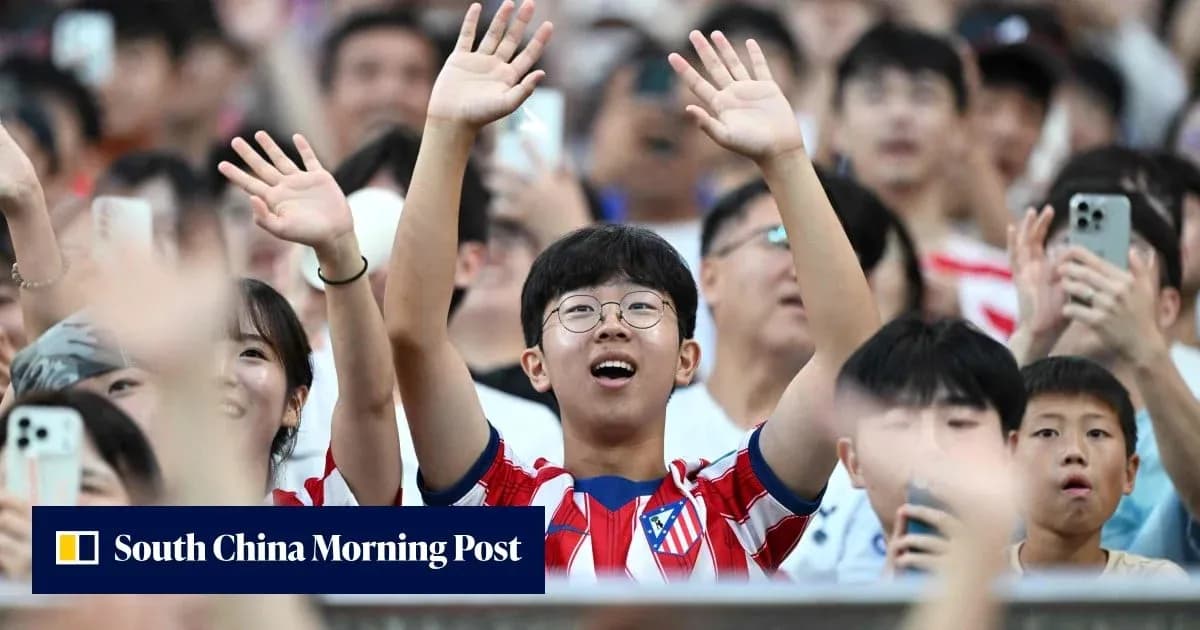
Football did not escape. The stifling conditions were blamed for a reduced crowd at Manchester City’s friendly against a K League All-Star side last week, a game that should have been a marquee summer showcase. Only days later, City’s pre-season exhibition against Atletico Madrid drew a full house, underlining how quickly attendance can rebound when conditions are more bearable.
In Seoul, the relentlessness of the heat was laid bare by a run of 17 consecutive “tropical nights” – evenings when the temperature never dipped below 25 degrees Celsius – a streak that finally ended on Monday. For professional players, those numbers are not just uncomfortable; they shape training loads, recovery, and match intensity across an already long season.
The current K League campaign started on February 28 and is set to run until December 6, stretching across late winter, spring, a ferocious summer, and deep into autumn. On paper, it is a familiar structure. In the current climate, it looks increasingly outdated.
As the mercury rises and the science hardens, the KPFA’s call is no longer just about fixture lists or fan convenience. It asks a sharper question of Korean football: how long can a league aiming for regional leadership afford to ignore the heat bearing down on its own backyard?