KNVB Seeks New Direction with Roberto Martínez Talks
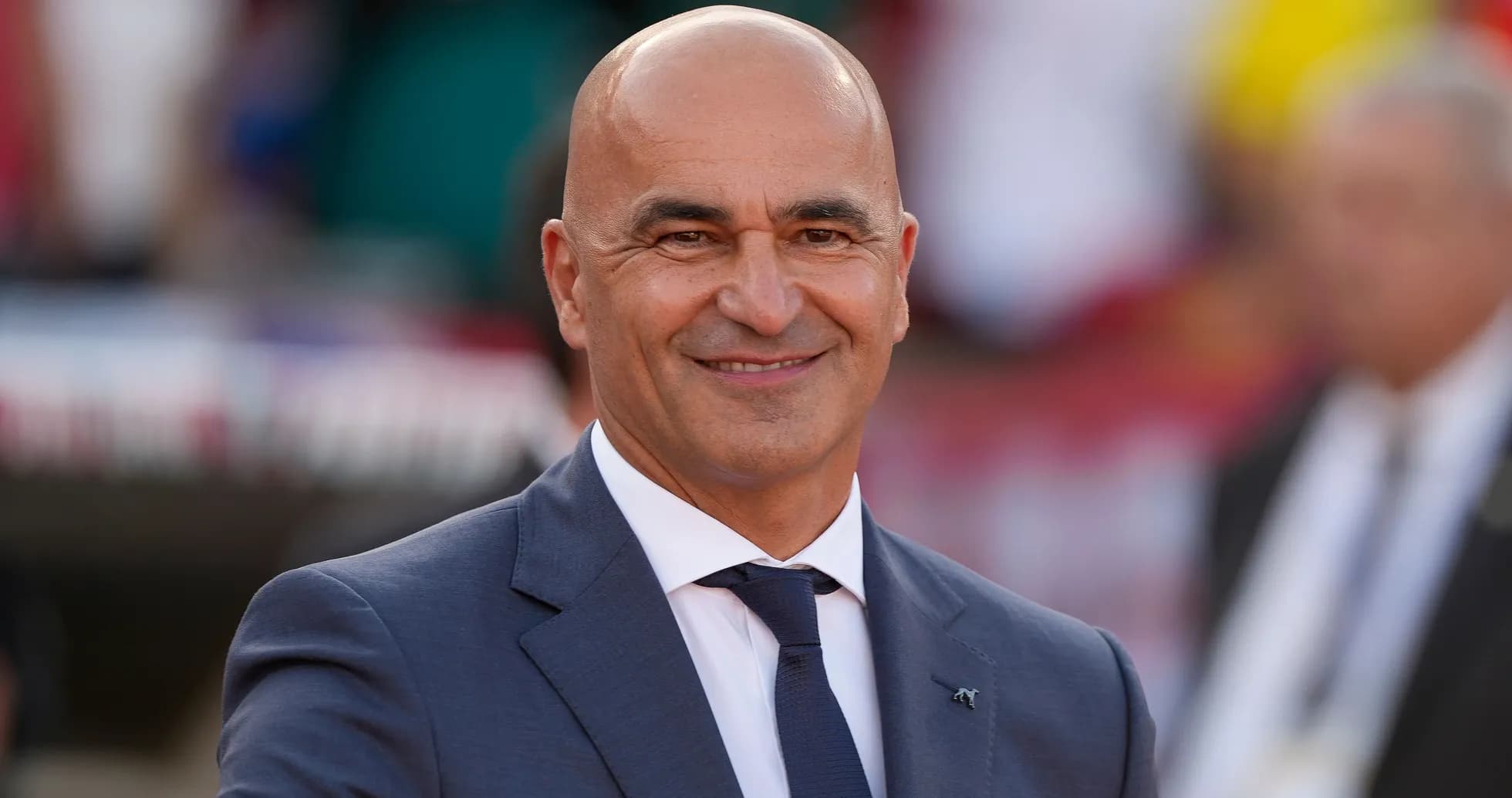
The KNVB has taken an extraordinary step in its hunt for the next Netherlands head coach, with technical director Nigel de Jong flying to Malaga for face-to-face talks with 53-year-old Spanish coach Roberto Martínez, according to De Telegraaf.
For Dutch football, that is no routine trip. It is a break with almost 50 years of habit.
KNVB rips up its old rulebook
The federation has been forced into this new direction after a string of setbacks with high-profile Dutch candidates. Peter Bosz, Arne Slot and Erik ten Hag have all pulled out of the running, each for their own professional reasons, leaving the KNVB scrambling for a credible successor to Ronald Koeman.
That vacuum has opened the door to Martínez. If he takes the job, he would become the first foreign coach of the Oranje since Austrian Ernst Happel, who led the Netherlands to the 1978 World Cup final. Since Happel’s departure, the most coveted role in Dutch sport has been reserved exclusively for homegrown managers.
Now that unwritten rule is under direct threat.
Why Martínez?
Despite his Spanish passport, Martínez is not seen as an outsider in footballing terms. Within the KNVB, some view him as a natural extension of the Dutch school. He is a close friend of Jordi Cruijff and an outspoken admirer of Johan Cruijff’s philosophy, the very doctrine that underpins the national game.
Those connections matter. With the traditional Dutch candidates stepping aside, the federation is trying to find a coach who can protect the identity of the Oranje while bringing fresh energy and international experience. Martínez, in their eyes, ticks enough of those boxes to justify breaking with decades of orthodoxy.
Slot steps away – and explains why
As the Martínez talks advanced, Arne Slot formally withdrew from the race to lead his country. Rumours quickly swirled that money and contract length had driven him away from the national team job.
Slot knocked that down himself.
“Over the past few weeks, and particularly the past few days, various reports have appeared regarding the vacancy at the Dutch national team, suggesting that I had withdrawn from the process after lengthy negotiations, including regarding salary and contract duration. That speculation is incorrect. We simply never reached that stage of the talks,” he said in a statement.
His reasoning was straightforward and rooted in daily work, not numbers on a contract.
“At this stage of my career, I prefer to see myself on the training pitch with my players every day. Something that is simply not possible in the same way with a national team.”
With that, one of the most logical Dutch candidates firmly shut the door.
Internal options tested – but no breakthrough
The KNVB has not limited itself to external names. De Jong and Clarence Seedorf, together with director of professional football Marianne van Leeuwen, also sounded out Michael Reiziger, currently in charge of Jong Oranje.
Their exploratory meeting took place at the Okura Hotel in Amsterdam, just before the Johan Cruijff Schaal clash between PSV and AZ. It was a clear sign that the federation wanted to gauge whether a promotion from within its own structures might offer a solution.
For now, that trail appears to have gone cold. Reports indicate there have been no follow-up talks with Reiziger, suggesting the KNVB is keeping him in the frame but not pushing him to the front of the queue.
The Van Gaal question
Hovering over the entire search is one familiar name: Louis van Gaal.
Sections of the Dutch fanbase have called loudly for the 75-year-old to return for a fourth spell in charge. His recent tenure, including the 2022 World Cup run, has kept his reputation intact among many supporters who crave stability and a proven hand.
Yet the KNVB has, according to reports, not contacted Van Gaal at all during this process. That omission has stirred controversy and sharpened the scrutiny on De Jong and his colleagues. If they are prepared to break a half-century tradition by appointing a foreign coach, why not first explore one more chapter with the most successful Dutch manager of his generation?
For now, the federation stands at a crossroads: cling to the past with a familiar face, promote from within, or cross a historic line by handing the Oranje to Roberto Martínez. The next move will not just decide a coach; it will reveal what kind of football country the Netherlands wants to be.