Kompany Explains Kane and Olise's Absence in Bayern's Draw Against Schalke
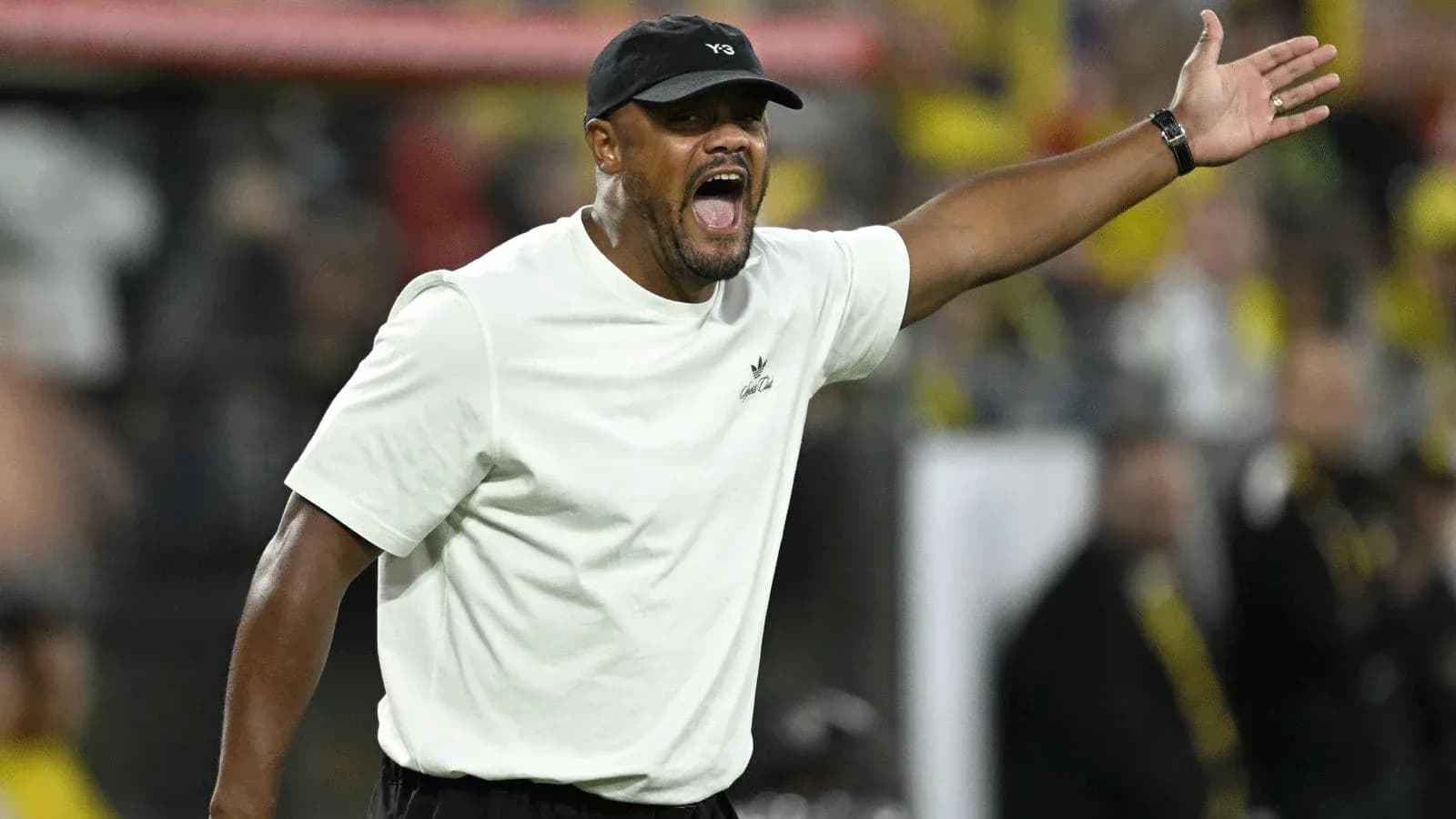
Vincent Kompany insisted there was nothing mysterious about leaving Harry Kane and Michael Olise out of Bayern Munich’s starting XI in the goalless stalemate with Schalke. For him, it was simple: legs, not names, dictated the team sheet.
The Bayern coach, speaking after the second-round Bundesliga draw on Saturday, underlined that both stars were paying the price for a late return and a draining cup assignment in midweek.
“It was simply a rational decision,” Kompany said. “They came back very, very late from their break, and the Osnabrück match drained a lot of energy from them.”
The DFB-Pokal tie against Osnabrück clearly sat at the top of his priority list as he managed the early-season workload of his key attackers.
“The priority was for them to be available for it, because it was a German Cup tie,” he explained. “Then I had to make a decision about today’s match. They are still not properly ready to bear a full physical load. It was a rational decision.”
No drama. Just load management at a club where every selection is scrutinised.
Bayern dominate, Schalke survive
On the pitch, Bayern pushed, probed and camped in Schalke territory, but the breakthrough never came. Kompany refused to pin the result solely on his own side’s shortcomings, instead tipping his hat to a disciplined opponent.
“Every match has its own story,” the Belgian said. “Unfortunately, today’s story was that we could not score. This does not detract from Schalke’s performance. They really fought hard and closed the spaces well.”
Schalke sat deep, clogged central areas and forced Bayern to keep recycling possession. The hosts still carved out opportunities, but wastefulness and stubborn defending turned the afternoon into a lesson in frustration.
Kompany, though, was not in the mood for doom. He pointed to Bayern’s work without the ball as a clear positive.
“On the other hand, the counter-pressing we did today was exceptional, and we did not allow them to create any chances,” he said. “We also created many clear chances against a compact defence, so there are positives too.”
The control was there. The aggression after losing the ball was there. The finishing was not.
Kompany knows the bottom line at Bayern does not change, no matter the context, no matter the excuses.
“In the end, the result is what it is,” he concluded. “At Bayern Munich, you can only be happy if you win.”
The message is blunt: rotation and rational decisions are part of the process, but the expectations in Munich remain unforgiving.