Korean FA Under Criminal Investigation Following Hong Myung-bo Appointment
The inquest into South Korea’s disastrous World Cup campaign has left the pitch and entered the corridors of power.
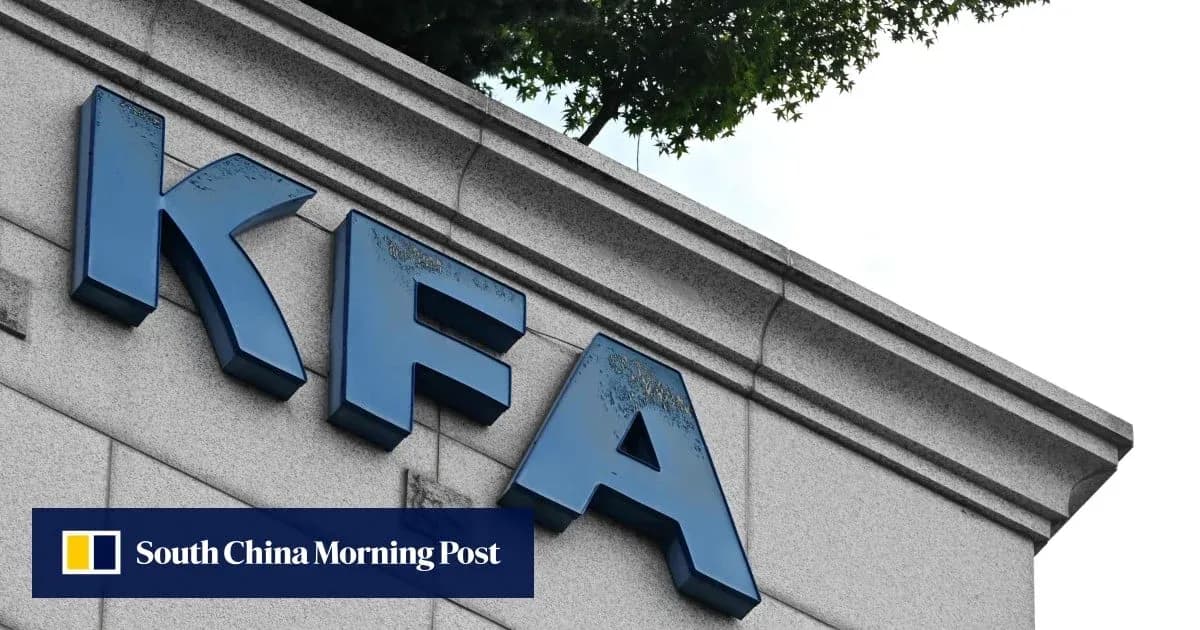
On Thursday, police officers walked through the doors of the Korea Football Association headquarters in Seoul, not as guests but with warrants. Financial crimes investigators carried out “search and seizure operations” targeting documents and records linked to the hiring of former national team coach Hong Myung-bo.
At the heart of the probe lies a stark allegation: obstruction of business in the process that led to Hong’s appointment in 2024.
Hong, 57, stepped down in June, days after South Korea’s World Cup ended with a whimper. Knocked out in the group stage of the expanded 48-team tournament in the United States, Mexico and Canada, they failed to reach the last-32 knockout round and suffered a shock 1-0 defeat to South Africa that came to define their campaign.
The results triggered fury among fans and pundits. But the anger didn’t stop with tactics or team selection. It turned towards the KFA itself.
Questions over how Hong was brought back into the job had been simmering since his appointment. Were procedures followed? Who pushed his candidacy? Why this coach, at this moment, with a homegrown talent pool and expectations at an all-time high?
Those doubts have now hardened into a full-scale criminal investigation.
A Seoul police spokesman confirmed that financial crimes officers are “looking into whether there were charges of obstruction of business during the appointment of Hong Myung-bo”. Local reports go further, stating that authorities are examining whether senior KFA officials improperly intervened in the recruitment process, allegedly breaching the association’s own internal rules.
If proven, that would turn a sporting failure into an institutional scandal.
For the KFA, this is a brutal convergence of on-field disappointment and off-field scrutiny. A World Cup exit in the group stage is damaging enough for a football-obsessed country that measures itself against the world’s elite. Having police comb through your hiring records in the aftermath is something else entirely.
The raid signals that this is no routine review or quiet internal audit. It is the state stepping into the game’s governing body, searching for evidence that the federation’s most important footballing decision of the cycle may have been tainted.
South Korea’s players are scattered back to their clubs, the World Cup already moving into the rear-view mirror. Yet for those running the national game, the real pressure has only just kicked off.