La Liga Returns: Champions, New Faces, and Technology
MADRID — Less than a month after Spain lifted the World Cup, La Liga steps back into the spotlight this weekend, the first of Europe’s major domestic competitions to restart. The timing screams urgency; the mood is more subdued.
The calendar has already taken a hit. A fungus outbreak on the pitch at Celta Vigo has forced their home opener against Osasuna, originally set for Sunday, to be pushed back to August 27. The champions and the great pretenders are also on hold.
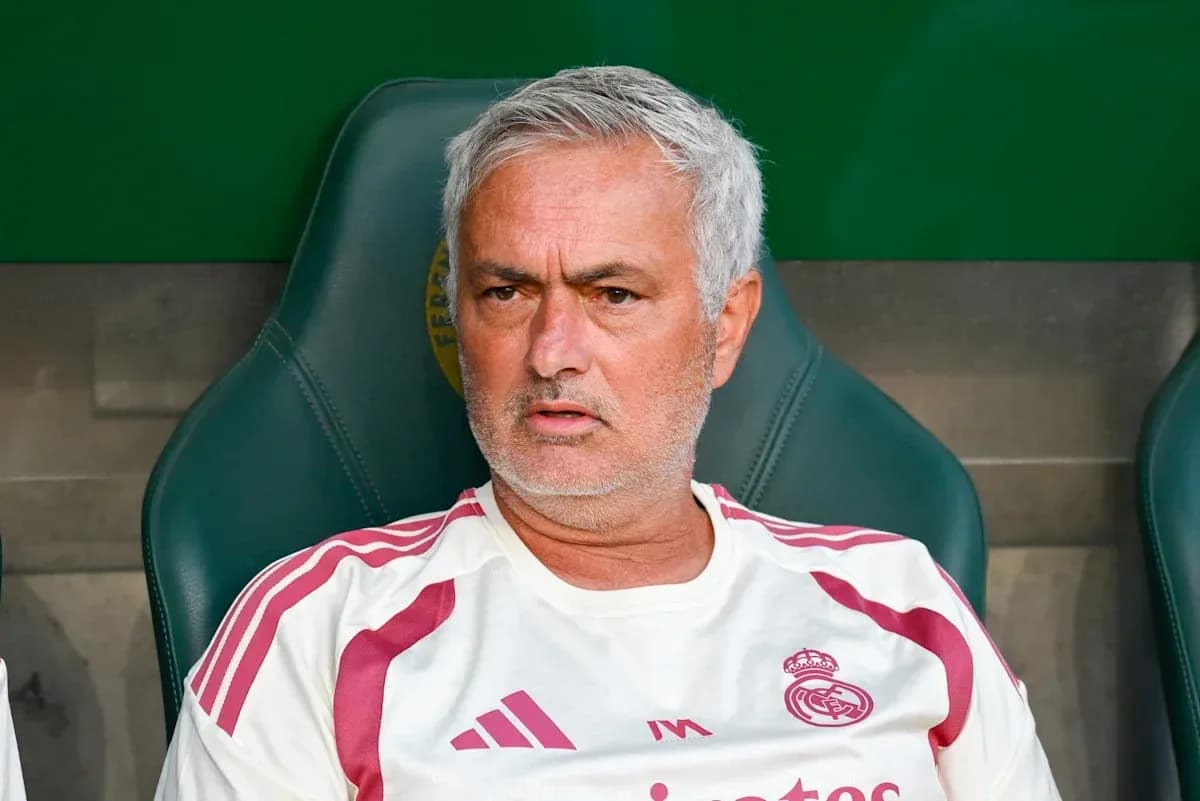
Barcelona and José Mourinho’s revamped Real Madrid
Barcelona, chasing a third straight league crown, will finally begin their title defense away at Elche on August 23. Real Madrid, retooled under Mourinho after a second straight season without a major trophy, open at Espanyol on August 22.
Between those two dates lies the story of the season: can Barça’s continuity outlast Madrid’s reconstruction?
Atletico, Álvarez and a simmering saga
The league does not wait for answers. Atletico Madrid, serial top-four finishers, open at home to promoted Malaga on Wednesday. They do so with a cloud hanging over one of the most coveted forwards in Europe.
Julián Álvarez, who helped Argentina win the World Cup and played in the final, has told Atletico he wants to leave. Real Madrid and Barcelona have both shown interest. Atletico insist they do not intend to sell and the striker is back in training, but the tension has not gone away. Every session, every team sheet, now feels like part of a countdown.
Diego Simeone is already dealing with a major overhaul. Antoine Griezmann, Thiago Almada, Nahuel Molina and Clément Lenglet have all departed. Coming in are Alejandro Grimaldo, Morten Hjulmand and Lee Kang-In, with Cristian “Cuti” Romero also set to arrive. It is a squad in transition, with a star who might yet force the door open.
Europe’s curtain-raiser
The European club season officially flickered into life on Wednesday when Paris Saint-Germain beat Aston Villa 2-1 in the UEFA Super Cup final. Now Spain’s league takes its turn, even if its biggest names are staggered across the calendar.
Weekend slate: Racing’s return, Alaves to kick off
Alaves and Getafe will have the honor of launching the La Liga campaign on Saturday. Later that day, Sevilla welcome Rayo Vallecano.
Sunday brings a story heavy with nostalgia. Racing Santander, back in the top flight after 14 long years away, host Villarreal, last season’s third-place finisher behind Barcelona and Real Madrid. Levante travel to Espanyol to round out the weekend’s fixtures.
Barcelona’s title defense: World champions at the core
Barcelona go hunting a three-peat with a spine built around fresh world champions. Lamine Yamal, Dani Olmo, Gavi, Pedri and Pau Cubarsí all return from Spain’s World Cup triumph and now switch from national glory to domestic grind.
One hero is unlikely to be there. Ferran Torres, who scored Spain’s extra-time winner in the World Cup final against Argentina, is not expected to return. He is in talks over a move to PSG, a transfer that would strip Barça of a clutch performer on the biggest stage.
Hansi Flick’s squad has been reinforced by the arrival of England forward Anthony Gordon, signed to help compensate for the loss of veteran striker Robert Lewandowski. The attack will look different, younger, more volatile. The expectations will not.
Mourinho’s Madrid: no more excuses
Across the capital, Real Madrid have handed the keys back to Mourinho and torn into the squad list. The aim is blunt: stop the drift, stop the drought.
The core remains formidable. Kylian Mbappé, Vinícius Júnior and Jude Bellingham stay in place, the trio around which Madrid’s hopes will orbit. Around them, the club has moved aggressively.
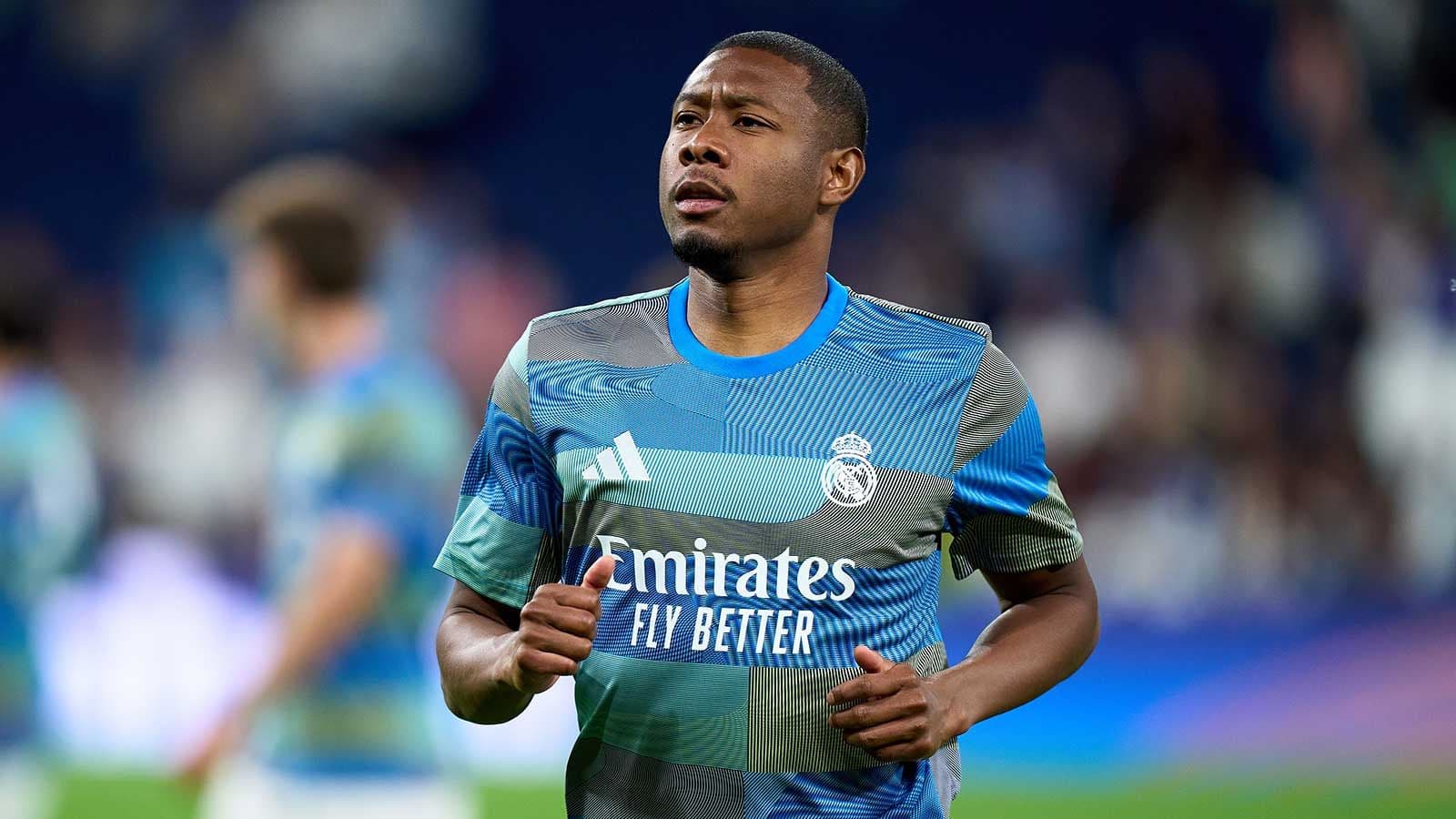
World Cup winner Marc Cucurella arrives, along with Ibrahima Konaté, Denzel Dumfries, Bernardo Silva and Yan Diomande. The churn has cost experience: Dani Carvajal and David Alaba are among the veterans who have departed. Mourinho inherits a group that looks fresher, quicker, and far less forgiving of failure.
Promoted and relegated: new faces, old name
The league’s new blood comes from Racing Santander, Malaga and Deportivo La Coruña. For Deportivo, a former champion that spent eight seasons in the second division, this is a return that carries weight. The badge has history; now it has a platform again.
Dropping out of La Liga last season were Mallorca, Girona and Oviedo, all paying the price for inconsistency in a division that rarely shows mercy.
La Liga’s “connected ball” gamble
This season will not just be about who scores. It will be about how we see the game.
La Liga will become the first league in the world to deploy “connected ball” technology at scale. Each match ball will carry a radio-frequency sensor that constantly transmits its exact position and the precise moment of every touch.
Around 12 antennas in each stadium will capture that data and feed it into the league’s wider technological system. The promise is clear: more accuracy, more information, a cleaner picture of every incident. The questions will come later, when the first big decision hangs on numbers rather than instinct.
For now, Spain’s top flight restarts in a strange blend of celebration and uncertainty: world champions returning, giants reshaped, technology upgraded, a title race waiting to ignite. With Barcelona delayed, Madrid rebuilt and Atletico braced for a fight over Álvarez, how long will this quiet opening weekend last before the season explodes into noise?