Liverpool's Struggles: Arne Slot's Future in Jeopardy
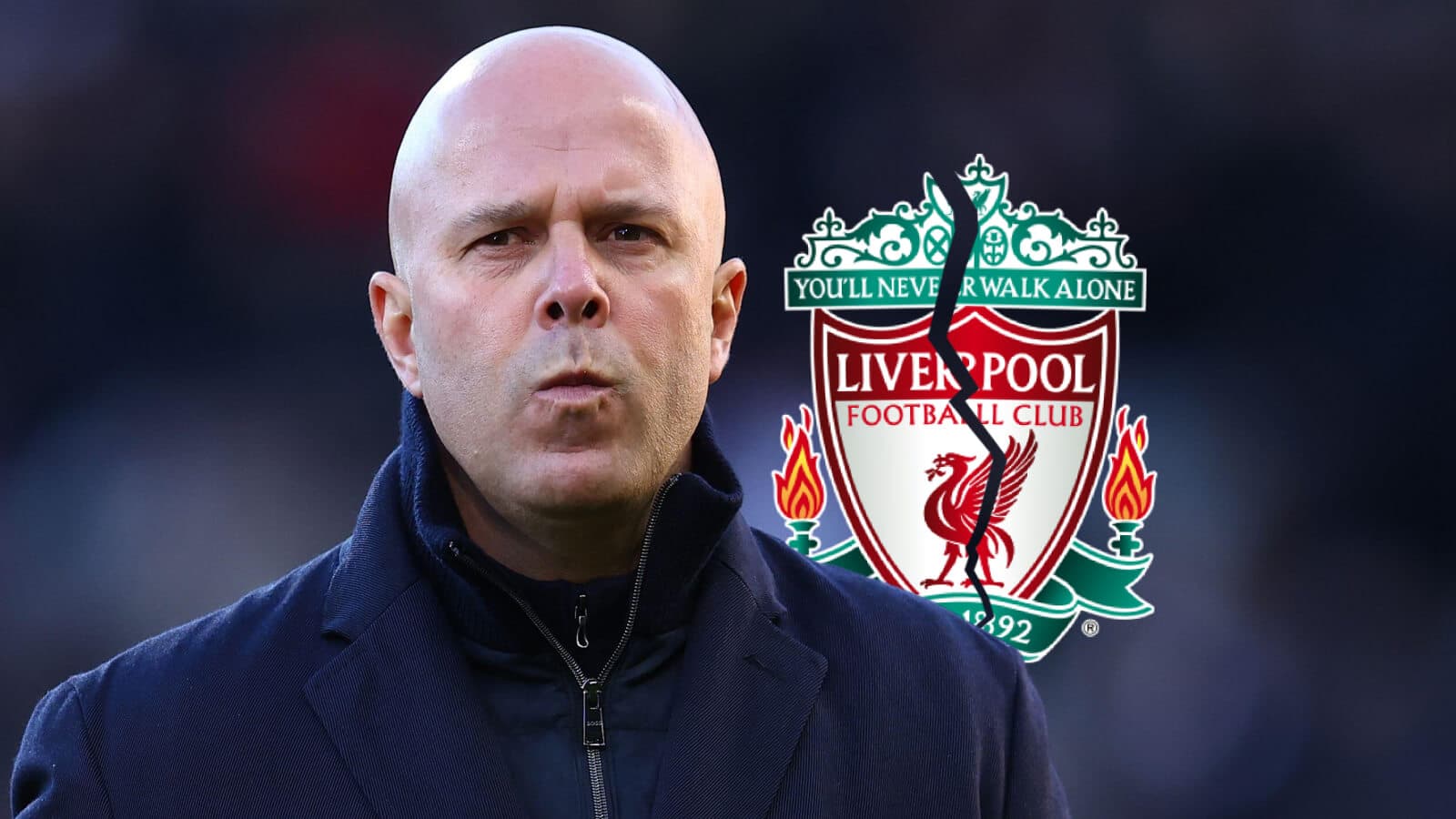
Liverpool keep saying it publicly: Arne Slot is their man. The line from the club has been consistent, calm, almost stubborn. Inside Anfield, the mood is anything but.
Serious conversations over the Dutchman’s future are now expected in the coming weeks, with concern hardening into something more urgent among key figures at the club and within Fenway Sports Group.
This was supposed to be a season of consolidation after the title triumph. Instead, Liverpool have stumbled through a campaign that has stripped them of their Premier League crown, left them trophyless and, perhaps most damagingly, raised doubts about what this team now stands for. The identity that once felt unmistakable has blurred.
Results have forced the issue. Performances, too.
Slot had long been expected to receive a clean slate and a second season, a chance to reset in the summer and build something more recognisable. Recent weeks have shaken that assumption. A run of worrying displays has amplified media debate over whether he is the right man to lead a revival, and that external noise has started to echo inside the club.
Salah’s ‘grenade’ and the Boston reaction
One moment in particular has cut through all the usual noise. Mohamed Salah’s public comments on Liverpool’s direction and performances did not just make headlines; they rattled corridors in Boston.
Gary Neville called it a “grenade”. The numbers back that up: Salah’s post, a rare flash of open frustration from the club’s talisman, drew likes from 17 Liverpool players past and present. It was not subtle. It did not need to be.
Sources indicate those remarks have triggered significant internal reflection. Senior figures understand why Salah spoke out after such a bitterly disappointing campaign. There is sympathy for his view, not irritation at his candour.
FSG, usually content to stay a step removed from the day-to-day football operation, are described as increasingly alarmed. Not just by results, but by the wider atmosphere around the squad and the project as the summer looms. The sense of drift has become impossible to ignore.
Michael Edwards and Richard Hughes, charged with shaping Liverpool’s football strategy, are said to be constantly assessing the situation and mapping out possible scenarios. None of this is knee-jerk. But it is serious.
A season of unwanted records
The numbers tell their own story. Liverpool’s title defence has collapsed in brutal fashion. The campaign will end without silverware, and the defeat column has become a flashing red light on every internal review.
Nineteen losses in all competitions already match the club’s joint-highest total of the century. One more, in the final game of the season, would equal a modern-era low: 20 defeats, a figure Liverpool have reached only once since returning to the top flight in 1962, during the bleak 1992/93 campaign.
That context matters. Liverpool insist, publicly, that a full review will only take place once the season is over. Behind the scenes, the tone has shifted. Concern has escalated sharply in these closing weeks, as the defeats have piled up and the performances have failed to convince.
The Alonso miss and the planning question
The situation is framed, too, by what Liverpool did not do. Missing out on Xabi Alonso has left a bruise.
The former midfielder, long admired at Anfield, has now finalised his move to Chelsea. For sections of the fanbase, that outcome has sharpened questions about long-term planning. Internally, it has raised them as well.
“Edwards and Hughes have some serious thinking and talking to do,” he said. “The situation with Slot is escalating at a pace, and I can tell you not everyone internally is aligned behind the idea that he should definitely stay.
“Liverpool are not a club that reacts emotionally or impulsively, but the ownership absolutely recognise this is becoming a very concerning situation.
“I’m told Salah’s comments hit home in a massive way. Internally, there’s actually a lot of sympathy towards what he said, and people at the club understand why he voiced those frustrations.”
Those words mirror what many can see from the outside: a club trying to hold its nerve while the ground shifts beneath it.
Shortlist in the shadows
Alonso may be off the table, but Liverpool have not stopped looking.
Several names are being discussed privately in case the club decide a change in the dugout becomes unavoidable. The work is discreet, not yet decisive, but it is active.
“Sebastian Hoeness is hugely respected because of the work he’s done at Stuttgart,” Bailey revealed. “Julian Nagelsmann remains admired, while Matthias Jaissle is another coach Liverpool have looked at – especially given the growing appreciation for his tactical approach.
“But one name that repeatedly comes up is Andoni Iraola.
“He’s potentially available, he plays an aggressive high-intensity style that fits Liverpool’s football identity, and crucially, he already understands the Premier League.
“And people shouldn’t underestimate the Richard Hughes connection either. Hughes was instrumental in bringing Iraola to Bournemouth, and there remains huge respect there.”
The profile is clear: front-foot football, tactical clarity, a coach capable of handling the demands and scrutiny that come with Anfield. The fact such conversations are happening at all underlines how fragile Slot’s position has become.
Media pressure and a looming reckoning
Officially, nothing has changed. Liverpool maintain that Slot is their manager, that no final decision has been taken, that the end-of-season review remains the key moment.
Unofficially, that review is already being framed as one of the most significant internal assessments the club has undertaken in years. Careers, strategies, and the direction of the next era will be on the table. Slot will be at the centre of it.
The pressure is not confined to boardrooms and strategy meetings. Former players and pundits have turned up the volume. Jermaine Pennant’s comments on Slot have been particularly scathing, adding to a growing pile of criticism.
Not everyone agrees. Gary Neville and Jamie Carragher have taken differing positions, with Neville arguing Slot deserves to stay and be given time. Yet even among more measured voices, there is an acceptance that the project is faltering.
Journalist James Pearce is among those to have suggested that the Slot era, in its current form, is failing, and that the “clamour to sack the Dutchman is growing louder”.
So Liverpool arrive at the summer facing an uncomfortable question. Do they double down on a manager under siege and trust that a reset will restore order, or do they tear up the plan after one season and start again?
The answer will shape not only Slot’s future, but the next chapter of an Anfield story that suddenly feels far less certain than it did a year ago.