Liverpool vs Crystal Palace: Premier League Clash at Anfield
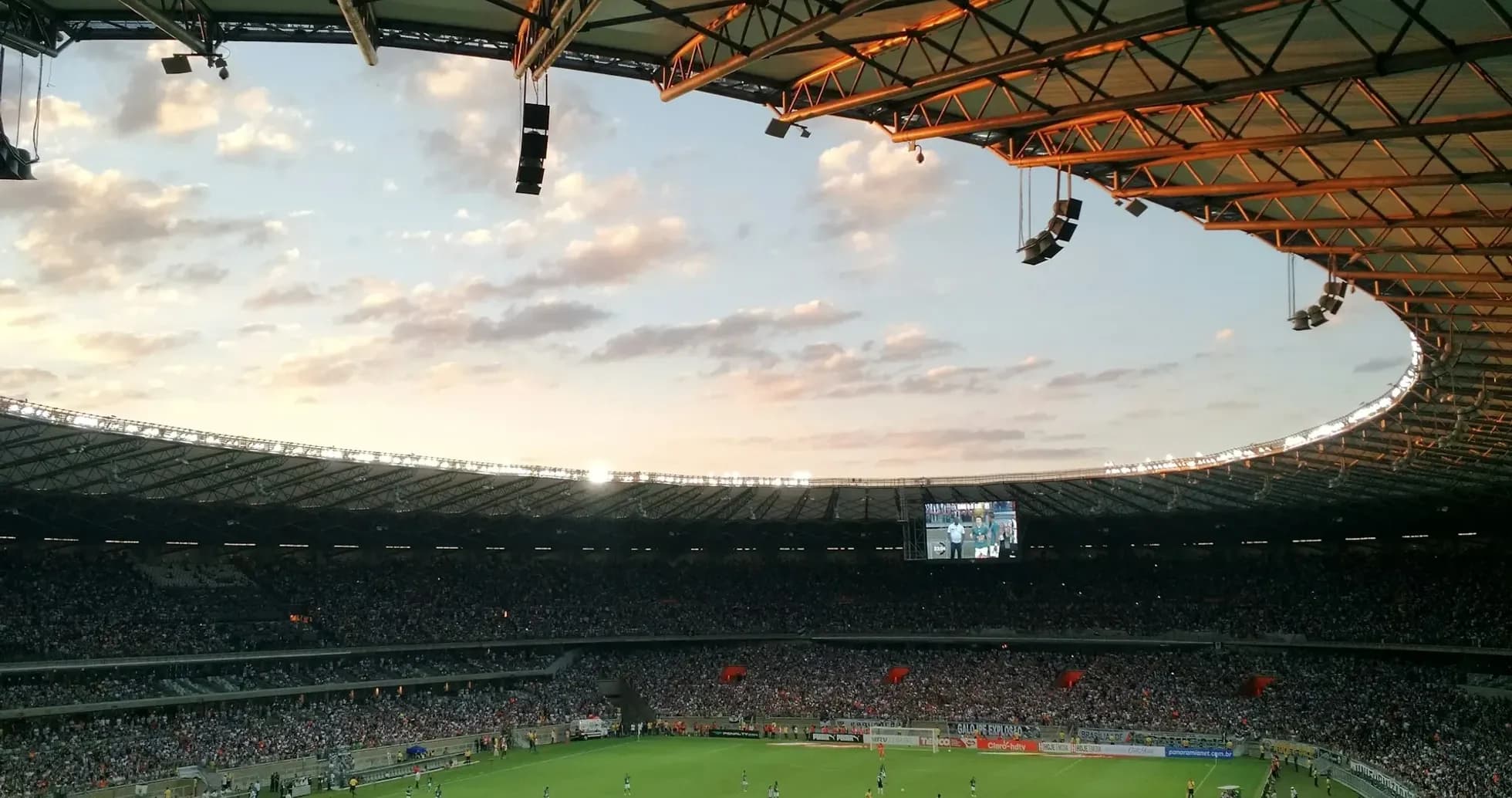
Anfield stages a compelling Premier League clash in April 2026 as 5th‑placed Liverpool host 13th‑placed Crystal Palace. With Liverpool chasing Champions League qualification and Palace looking to cement mid‑table safety, the stakes are high in a meeting between two sides whose recent history has tilted sharply towards the London club.
Context and Stakes
In the league, Liverpool sit 5th on 55 points after 33 matches, with a goal difference of +11 (54 scored, 43 conceded). They are firmly in the hunt for a Champions League league‑phase spot, but an inconsistent recent run (form line “WWLDL” across all phases) has left little margin for error.
Crystal Palace arrive 13th with 43 points from 32 games and a goal difference of -1 (35 for, 36 against). Their form (“DWDWL” across all phases) suggests a team capable of awkwardly halting better‑resourced opponents, and their away record is quietly impressive.
Anfield, though, remains a demanding away venue. Liverpool have taken 31 of their 55 points at home, and this fixture is as much about reasserting their authority on Merseyside as it is about the table.
Tactical Landscape
Liverpool: Structure, Goals and Defensive Balance
Across all phases, Liverpool have been attack‑minded but not always secure. In the league they average 1.6 goals scored per match (54 in 33) and 1.3 conceded, figures that mirror their broader pattern: plenty of chances created, but a defence that can be exposed.
At Anfield in the league:
- Home record: 9 wins, 4 draws, 3 defeats from 16.
- Goals for: 29 (1.8 per game).
- Goals against: 17 (1.1 per game).
- Clean sheets: 5 at home, 10 overall.
Their most common setup is a 4‑2‑3‑1 (used 30 times across all phases), occasionally shifting into a 4‑3‑3. That double‑pivot base is key, especially given the absences.
Injury issues are significant. Liverpool are without:
- S. Bajcetic (hamstring)
- C. Bradley (knee)
- H. Ekitike (Achilles tendon)
- W. Endo (foot)
- J. Gomez (injury)
- G. Leoni (knee)
Goalkeeper G. Mamardashvili is listed as questionable. The loss of Wataru Endo in particular removes a specialist screening midfielder, increasing the load on whoever anchors the pivot. Joe Gomez’s absence further reduces flexibility across the back line.
H. Ekitike’s injury is a major attacking blow. Across all phases in the 2025 Premier League season he has:
- 11 goals and 4 assists in 28 appearances.
- 48 shots, 19 on target.
- 21 key passes and 72 dribble attempts (38 successful).
He has yet to score a league penalty (0 scored, 0 missed), so Liverpool’s perfect team penalty record this season (1/1) has not been driven by him, but his open‑play threat and ability to stretch defences will be missed. Without him, Liverpool may need more goals from wide forwards and attacking midfielders, with the No.10 role in the 4‑2‑3‑1 becoming crucial for chance creation.
Tactically, expect Liverpool to:
- Dominate possession and pin Palace back with high full‑backs.
- Use quick combinations between the lines to compensate for the lack of a dominant central striker.
- Press aggressively, though the absence of Endo and Gomez may reduce their ability to defend transitions.
Set‑piece defence is another area to watch; Liverpool’s heaviest home defeat across all phases this season is 0‑3, underlining that when they collapse, they can do so heavily.
Crystal Palace: Compact, Counter‑Punching and Strong Away
Palace’s league numbers across all phases underline a solid, pragmatic side:
- Overall: 11 wins, 10 draws, 11 defeats from 32.
- Goals for: 35 (1.1 per game).
- Goals against: 36 (1.1 per game).
- Clean sheets: 12 (7 at home, 5 away).
- Failed to score: 10 matches.
The away record is particularly striking:
- Away: 7 wins, 2 draws, 6 defeats from 15.
- Goals for: 19 (1.3 per game).
- Goals against: 17 (1.1 per game).
They have been more dangerous on the road than at Selhurst Park, suggesting a side comfortable ceding possession and striking on the counter.
Formationally, Palace are consistent: a back‑three system in almost every league game:
- 3‑4‑2‑1: used 29 times.
- 3‑4‑3: used 3 times.
That shape allows them to keep a compact block, with wing‑backs dropping into a back five without the ball. In possession, the two attacking midfielders or wide forwards support the central striker, often looking for quick vertical passes and transitions.
Up front, J. Mateta is the reference point:
- 10 league goals in 26 appearances (23 starts).
- 50 shots, 28 on target.
- Strong duel volume (262 total, 100 won).
- 4 penalties scored from 4, with 1 penalty won.
His penalty record this season is flawless, and Palace as a team are 7/7 from the spot. Given Anfield’s intensity and the way Palace attack space, Mateta’s presence in the box, both in open play and from set pieces, is a major threat.
Injuries, however, trim Palace’s depth:
- Out: C. Doucoure (knee), E. Guessand (injury), E. Nketiah (thigh).
- Questionable: A. Wharton (injury).
Doucoure’s absence removes a key ball‑winner and passer in midfield, potentially forcing Palace to adjust the balance in the double pivot of their 3‑4‑2‑1. With Nketiah and Guessand unavailable, Mateta becomes even more indispensable, and Palace may be light on impact options off the bench.
Expect Palace to:
- Sit in a mid‑to‑low block with three centre‑backs and narrow wing‑backs.
- Target Liverpool’s full‑backs on the counter, especially if the hosts commit numbers forward.
- Lean on set pieces and Mateta’s penalty prowess.
Head‑to‑Head: Palace’s Recent Edge
Looking at the last five competitive meetings (including cups, excluding friendlies):
- October 2025 – League Cup, Anfield: Liverpool 0‑3 Crystal Palace.
- September 2025 – Premier League, Selhurst Park: Crystal Palace 2‑1 Liverpool.
- August 2025 – Community Shield, Wembley: Crystal Palace 2‑2 Liverpool (Palace won 3‑2 on penalties).
- May 2025 – Premier League, Anfield: Liverpool 1‑1 Crystal Palace.
- October 2024 – Premier League, Selhurst Park: Crystal Palace 0‑1 Liverpool.
Counting only regulation results (no penalty shootout outcome as a separate win):
- Liverpool wins: 2 (October 2024, plus the draw in the Community Shield that was level after extra time does not count as a win).
- Crystal Palace wins: 2 (League Cup 3‑0, Premier League 2‑1).
- Draws: 1 (1‑1 at Anfield in May 2025).
If we include the Community Shield as a competitive fixture and recognise the penalty shootout outcome, Palace have the psychological upper hand: a trophy won on penalties, a league win at Selhurst Park, and a dominant 3‑0 League Cup victory at Anfield. That recent 0‑3 in October 2025 at this very stadium will be fresh in Liverpool minds.
Discipline and Game Flow
Both sides carry disciplinary risk. Liverpool’s yellow cards are heavily clustered in the final quarter‑hour (28.57% of yellows between 76‑90 minutes), suggesting late‑game stress in tight matches. Palace spread bookings more evenly but have seen two reds this season, both in the 46‑75 minute window, which could tilt the contest if tempers flare.
With no under/over 2.5 table provided, we cannot quantify goal‑line trends precisely, but Liverpool’s scoring rate (1.6 for, 1.3 against) and Palace’s balanced record (1.1 for, 1.1 against) point towards a reasonable chance of a multi‑goal game, particularly if Liverpool chase the win aggressively.
The Verdict
Data and context pull in different directions. On one side:
- Liverpool are stronger in the league table, more prolific at home, and still chasing Champions League football.
- Anfield remains a difficult venue, and even with injuries, their squad depth is superior.
On the other:
- Palace are an excellent away side this season (7 wins from 15).
- They have a recent 3‑0 win at Anfield and a Community Shield success over Liverpool.
- Their 3‑4‑2‑1 structure is well suited to absorbing pressure and exploiting Liverpool’s defensive vulnerabilities in transition.
Liverpool should still be considered favourites to edge this, especially if they can establish control early and avoid giving up set‑pieces and penalty‑box chaos to Mateta. But Palace’s away resilience and recent head‑to‑head record mean this is unlikely to be straightforward.
A high‑intensity, tactically layered contest at Anfield looks likely, with Liverpool’s need for points and Palace’s counter‑attacking threat setting the stage for a tight, potentially nervy home win rather than a procession.