Liverpool's Next Move: Matias Soule as the Future Right Winger
Liverpool once bet on a winger the rest of Europe had already written off. It changed the club’s modern history.
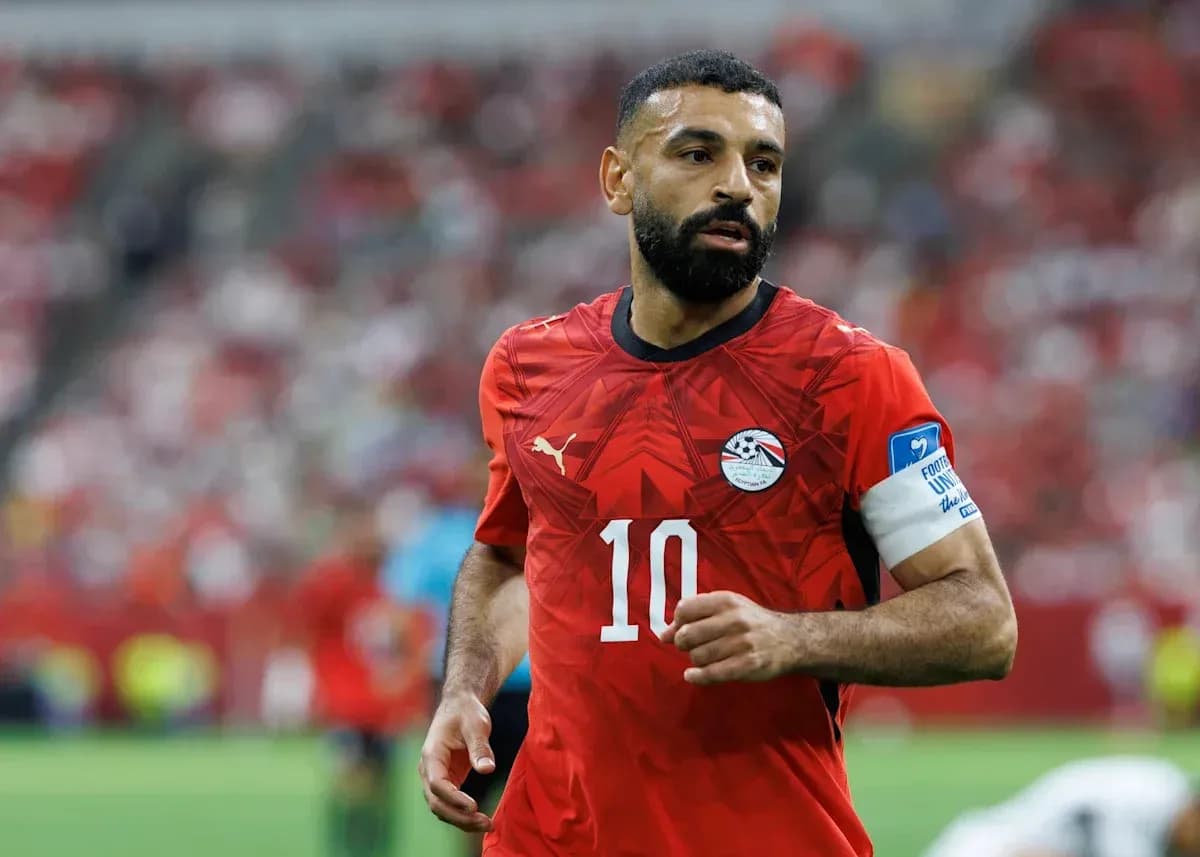
When Mohamed Salah walked through the doors at Melwood in 2017, he did not arrive as a nailed-on superstar. He was the Chelsea cast-off, the quick wide man who hadn’t quite cracked the Premier League, a player whose reputation lagged well behind his numbers at Roma. Liverpool saw something others didn’t. They gambled.
From his first competitive outing, that “gamble” looked more like daylight robbery. Salah exploded, then just kept going, piling up goals and records until he left Anfield as one of the greatest players the club – and English football – has ever seen.
None of that felt inevitable at the time. It was a recruitment call built on conviction rather than consensus.
Now Liverpool stand at a similar crossroads.
Salah has gone. The right-hand side of the attack, for years his personal fiefdom, suddenly looks like the most delicate piece of the rebuild. And this summer’s market for right wingers is, bluntly, a mess. Targets are scarce, prices are inflated, and one of the more intriguing options, Yan Diomande, has already chosen Paris Saint-Germain, leaving Liverpool recalibrating.
Into that gap steps a name that doesn’t dominate the back pages but keeps surfacing in the data: Matias Soule.
The Argentine, currently with Roma, ticks an uncomfortable number of boxes for a player who seems to be flying under the radar. His output last season placed him among a very select group of young right-sided attackers in Europe in terms of value provided. Only Lamine Yamal, Maghnes Akliouche and Dango Ouattara could match that blend of age, role and production under 24.
Those three are either untouchable or prohibitively difficult to prise away. Soule is not.
Roma are open to a sale, and reports in Gazzetta dello Sport suggest that a bid in the region of €40m would be enough to do business. In a window where average wide forwards with patchy end product are going for far more, that kind of fee for a 23-year-old with strong underlying numbers is the sort of opportunity elite recruitment departments are paid to spot.
Soule offers versatility as well. He can operate across the line behind the striker, not just hug the touchline on the right. That flexibility matters in a Liverpool attack that has evolved from the rigid front three of the early Jürgen Klopp era into something more fluid and interchangeable.
And yet, despite the numbers, despite the price, there is no transfer scrum forming around him. No bidding war. No daily updates. Just a player whose performances hint at a higher ceiling than the conversation around him suggests.
That is where the Salah parallel becomes hard to ignore.
Salah’s Roma statistics were excellent before Liverpool arrived, but the perception of him in England remained coloured by his brief, underwhelming spell at Chelsea. He was fast, yes. Dangerous on his day, sure. But world-class? Few believed it. Liverpool did.
Soule is not Salah. Expecting anyone to replicate that level of impact would be naïve. Yet the pattern is familiar: a wide forward whose data profile shouts louder than his reputation, available at a fee that looks like value in a distorted market, and seemingly overlooked by most of Europe’s superclubs.
Liverpool’s need on the right is obvious. The supply of realistic, high-upside options is not. That combination often forces clubs into overpaying for the obvious name rather than trusting the quieter, smarter play.
This is where Liverpool must decide what kind of operation they want to be in the post-Salah era. Do they chase the headline signing to reassure the outside world? Or do they once again back their analysis, trust the evidence in front of them and move decisively for a player like Soule before everyone else catches up?
They won’t find many chances better than this to prove they still know how to spot the next Salah, not just mourn the one they’ve lost.