Liverpool's Penalty Controversy: VAR Panel Rules in Their Favor
The verdict is in, and it makes grim reading for Liverpool.
Days after their 1-0 defeat to Arsenal, the Premier League’s Key Match Incidents Panel has ruled that Liverpool should have been awarded a penalty for a shirt pull on Alexander Isak – and that VAR ought to have stepped in.
Panel sides with Liverpool
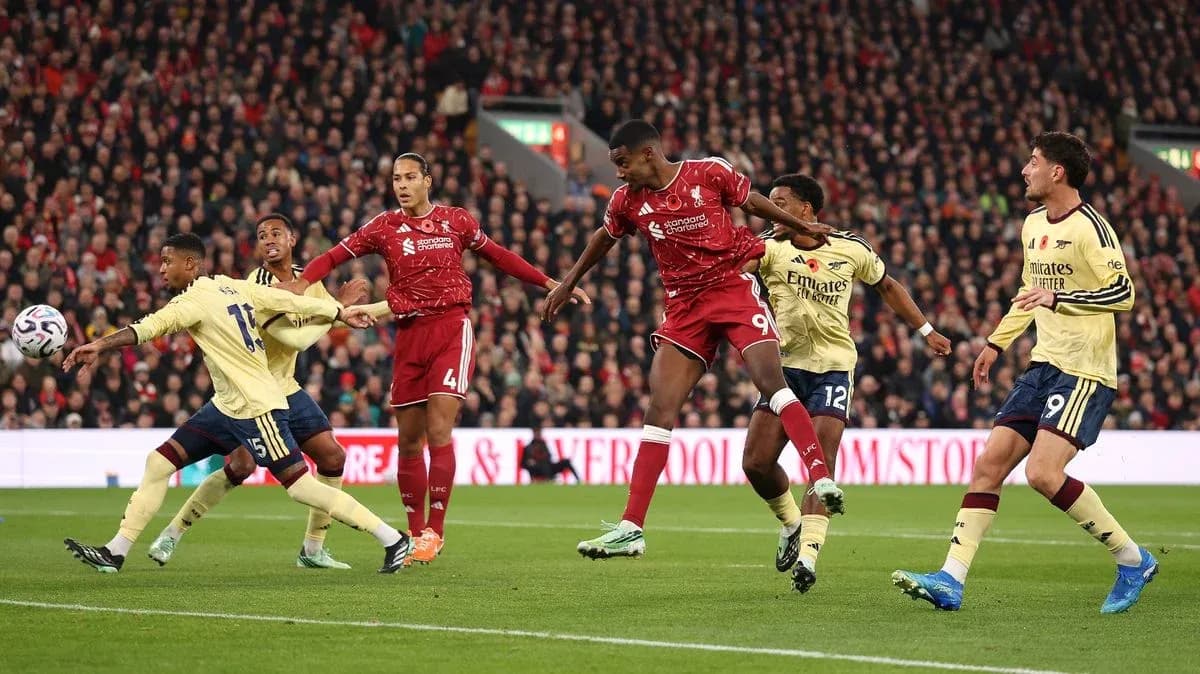
The incident came with Liverpool trailing to Kai Havertz’s 16th-minute strike, the only goal of a tight contest. As a cross came in, Isak moved to attack the ball in front of goal and appeared to be dragged back by Jurrien Timber. Referee and VAR both waved play on.
Now, the independent panel has gone the other way. By a 4-1 majority, it judged that Timber’s challenge on Isak met the threshold for a holding offence and should have resulted in a penalty.
The Premier League outlined the framework referees use on such incidents: they look at whether a defender is focused on the opponent rather than the ball, whether there is any attempt to play the ball, if both arms are used, and if the holding is sustained or impacts an opponent’s ability to play it.
In this case, the panel concluded Timber’s actions ticked enough of those boxes. It should have been a spot-kick on the field – and, crucially, one that VAR corrected if the referee missed it.
VAR under the microscope again
On VAR’s role, the panel was split more narrowly. By a 3-2 vote, it decided the video officials should have intervened and recommended a review.
Two panellists sided with the original VAR team, arguing that the “subjectivity in assessing impact” meant it did not reach the threshold for a clear and obvious error. The dissenting view on the penalty itself described the incident as “short-lived holding” that lacked a clear impact on Isak’s ability to progress.
The majority saw it very differently. A forward, seven yards out, being held as he moves to head the ball: in their eyes, that was enough to demand intervention.
Iraola: “A clear penalty”
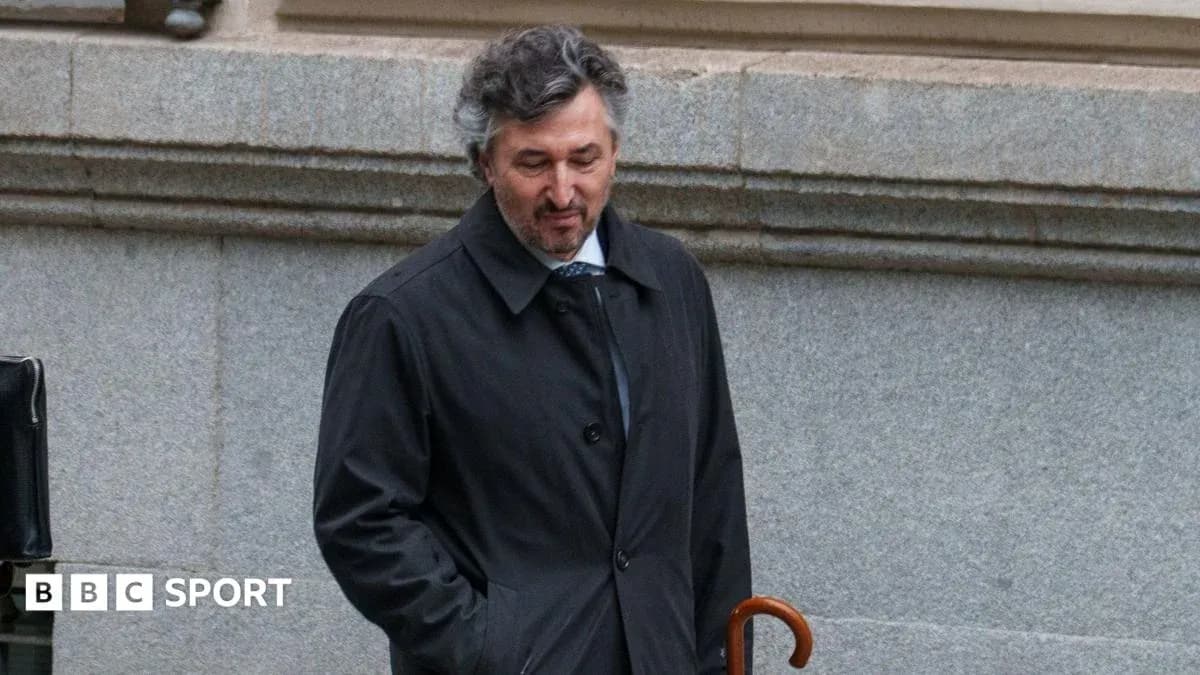
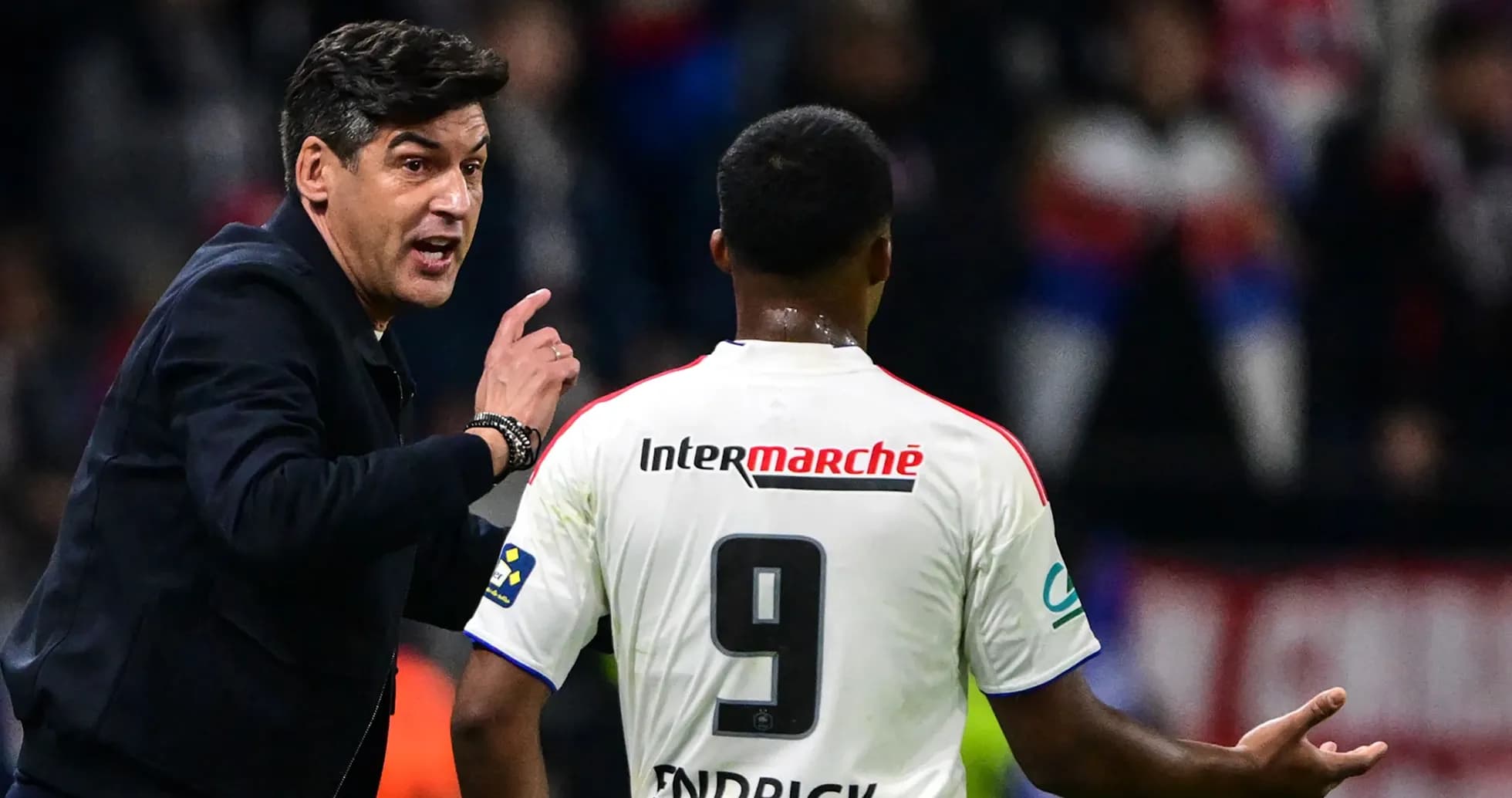
Liverpool head coach Andoni Iraola did not wait for the panel’s findings to make his feelings known. Speaking at full-time, he was adamant.
“I think the Isak one is a clear penalty,” he said. “He's going to head the ball in front of the goal, and they grab him where everyone sees the shirt.
“You don't need a lot, just to avoid Alex, because the ball just goes in front of him, and I don't see the reason why, probably because he doesn't dive or he doesn't go to the floor. It shouldn't be a reason not to concede a penalty.”
There was no hint of a crusade to overturn the result, though. Iraola accepted that any complaint would be largely symbolic.
“It's not going to change anything if we talk to the PGMOL or not. I think we have to wait now, I think it's 10 days or 12 days until they give the resolution.
“It's going to be what it is and that's it, accept it and let's go for the next one, no? It's not going to change.”
Pundits united across the divide
The sense of injustice was not confined to Liverpool’s bench.
On Sky Sports, Jamie Carragher cut straight to the heart of it. The former Liverpool defender could not believe the officials’ combined call.
“One of the best goalscorers in the league is pulled back seven yards out and it stops him heading the ball – why does he need to make a meal of it? VAR, do your job,” he said.
When an Arsenal legend agrees, you know the debate is not split along tribal lines. Ian Wright, delighted with the result but honest about the incident, echoed the criticism.
“It's obvious he's pulled his shirt. Why does he need to dive? He shouldn't have to make more of it,” Wright said. “VAR is wrong in this instance. Of course it's my team and I'm happy we've won it. But if they gave that penalty, I wouldn't sit here and say: 'I can't believe they gave that'.”
A decision that lingers
The scoreboard will not be rewritten. Havertz’s early goal still stands as the difference. Yet the panel’s ruling adds another layer to a growing debate over how VAR interprets contact in the box, and how much a forward must do to “sell” a foul.
Liverpool leave this episode with no points and belated vindication. The more pressing question now is whether the system that failed them in real time will learn from a judgment that arrived too late to matter.