Liverpool Sells Stake to Jeff Bezos' Consortium
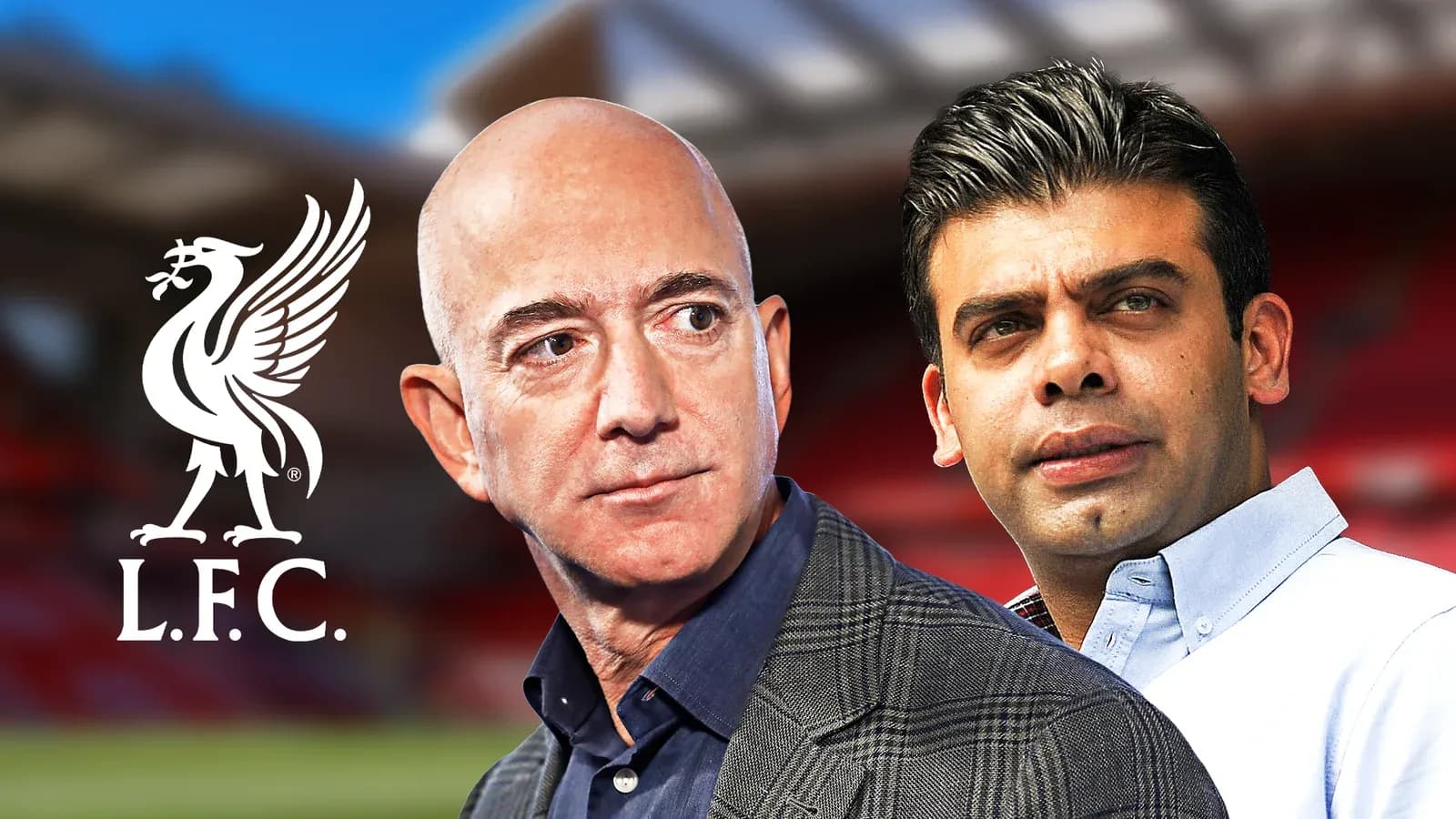
Liverpool have agreed to sell around a third of the club to a heavyweight investment consortium featuring Amazon founder Jeff Bezos, in a deal that catapults the Reds into the very top tier of global sports valuations.
The investment group is led by Amit Bhatia, the British-Indian entrepreneur and former Queens Park Rangers shareholder, with Bezos joining as part of the wider syndicate. Between them, they bring some of the deepest pockets in world business into Anfield.
Bezos, whose personal fortune Forbes puts at over £207bn ($280bn), is taking his first step into sports ownership. He will not sit on Liverpool’s board, with Bhatia instead becoming vice-chair as part of the agreement. The transaction values Liverpool at around £6bn ($6-7bn), placing this among the most lucrative deals the sport has ever seen and underlining the club’s status as one of English football’s great powerhouses.
FSG stay in charge – but the game is changing
For all the noise around the names involved, Fenway Sports Group (FSG) are not walking away. They retain majority ownership and full operational control of Liverpool. Day-to-day leadership, football decisions, and the strategic direction of the club remain in their hands.
In a statement, FSG framed the move as a deliberate step in a long-term plan rather than a bailout or a panic sale.
They said the deal “supports Liverpool's long-term growth ambitions by bringing together experts from across global business, technology, and investment,” adding that the consortium will work with FSG and the club’s leadership “to evaluate opportunities that enhance the club's objectives on and off the pitch.”
Mike Gordon, FSG president, underlined that continuity.
“Liverpool has always been built by thinking beyond one season and making decisions with the club's long-term interests in mind,” he said. That approach, he argued, continues to draw “respected investors and business leaders around the world.”
Gordon stressed that Bhatia and the consortium share FSG’s “long-term philosophy and appreciation for what makes Liverpool special,” insisting their experience will “complement the strong foundation already in place.”
Bhatia, for his part, called the group “proud to be investing in Liverpool,” a simple line that hints at the scale of the project he is stepping into.
A minority stake, a major signal
Sky Sports News’ Vinny O’Connor described the agreement as a minority investment of around 30 per cent, valuing the club at just over $7bn and designed as a “long-term partnership.”
The key point: there is no change to who runs Liverpool. FSG still call the shots, and there is no reshuffle of the football structure or the club’s leadership. The new money is about scale and opportunity, not a change of regime.
Crucially for supporters eyeing the next transfer window, O’Connor reported there will be no ring-fenced or “new” transfer budget tied directly to this deal. Liverpool’s sporting department will continue to set budgets within the existing financial sustainability model. The club’s recruitment strategy and football philosophy remain intact.
Liverpool were not driven to the table by financial distress. They sought investors they felt matched their vision, and the sheer calibre of the individuals involved in this consortium convinced them this was the right move.
Who is Amit Bhatia – and what does Bezos bring?
At the heart of the group sits Amit Bhatia, 46, an entrepreneur with an investment banking background and deep connections across global business.
He runs AyBe Capital, a multi-asset investment firm that operates across technology, media, property and real estate, consumer retail, and health. He is married to Vanisha Mittal Bhatia, daughter of Indian steel magnate Lakshmi Mittal, underlining his long-standing ties to serious industrial wealth.
Bezos needs no introduction. The Amazon founder turned a garage operation in Seattle in 1994 into one of the most powerful companies on the planet. His portfolio now includes aerospace firm Blue Origin and Nash Holdings, the vehicle through which he owns The Washington Post.
Now, his name sits alongside Liverpool.
FSG insist this is about expertise as much as cash – about plugging into global networks in technology, media, and investment at a time when elite clubs are racing to expand their reach and revenue streams far beyond matchday and broadcast income.
Liverpool stay under the same ownership, the same philosophy, the same structure. But with Bhatia and Bezos now in the room, the scale of what is possible just shifted.