Liverpool's Transfer Blunders: The Quansah Saga and £400m Rebuild
Liverpool’s £400m rebuild is on the brink of being remembered for all the wrong reasons. One more sale could seal its place as the club’s worst spell of transfer business in the modern era.
Quansah saga exposes the damage
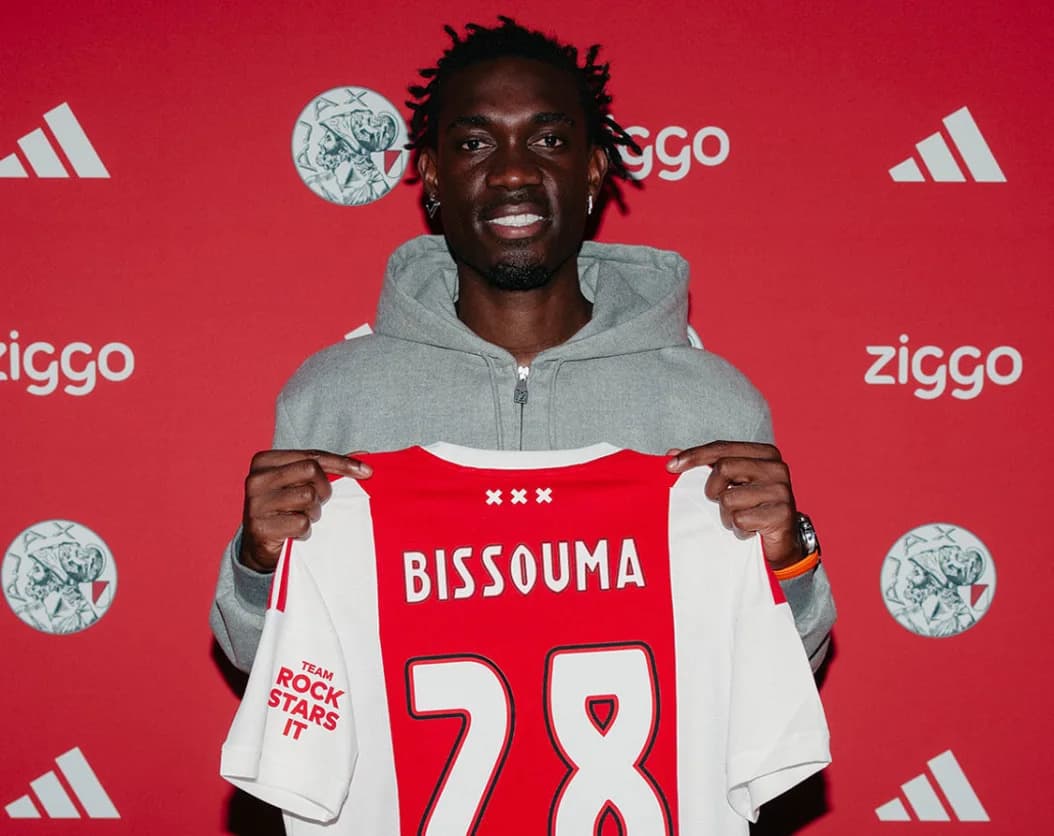
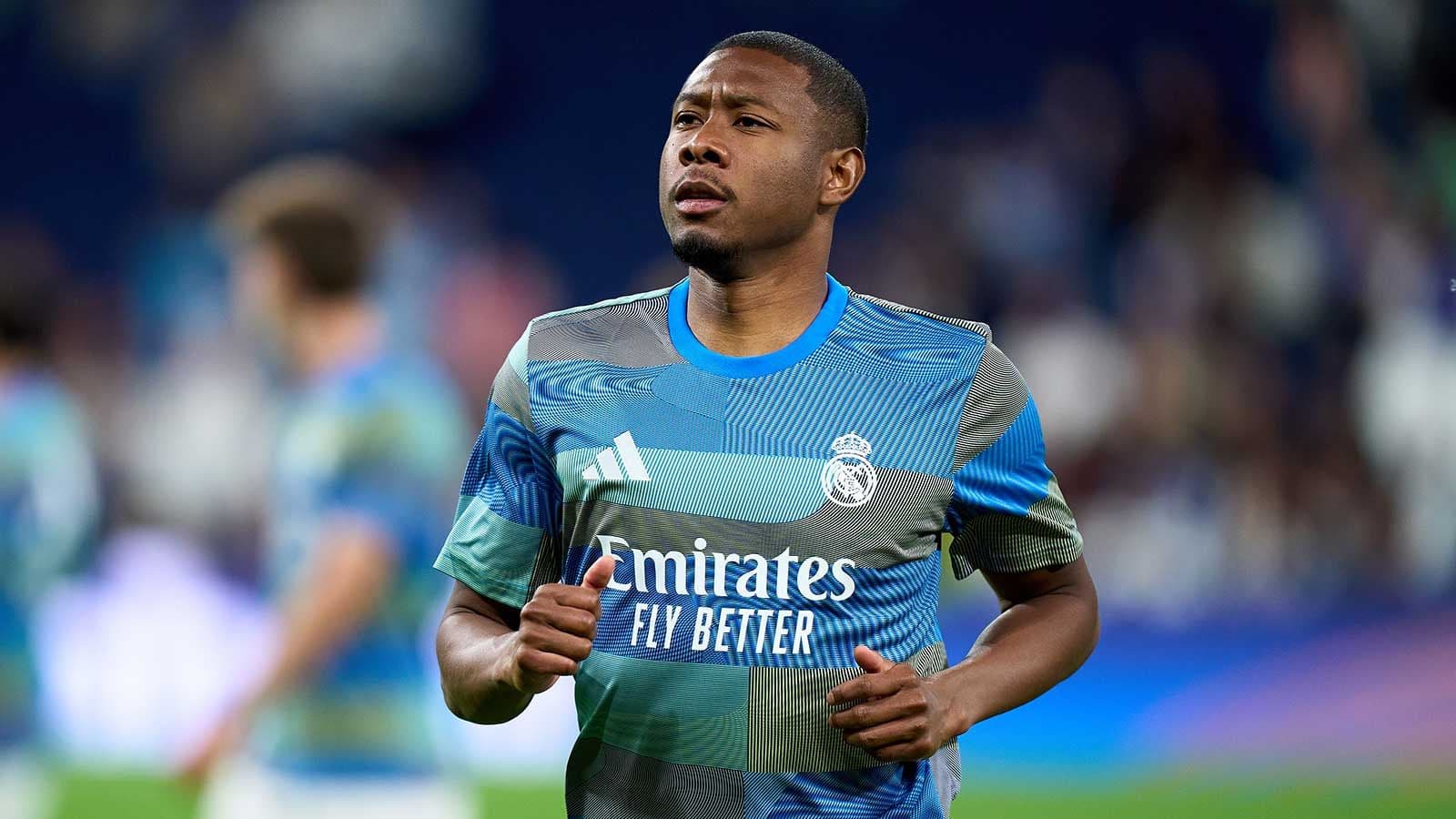
The flashpoint is Jarell Quansah. A homegrown England international. A centre-back Liverpool developed, sold, and may now watch walk into Arsenal’s back line for a huge fee.
Arsenal are lining up a move for Quansah before the window shuts, with Sky Sports reporting that Bayer Leverkusen do not want to sell but are braced for a big offer. The numbers are eye-watering: any deal is expected to go beyond £52m and could climb past £60m.
Liverpool, crucially, are not out of the picture. The BBC reports that the club still hold a first-refusal clause if Leverkusen accept a bid, and they also have an option to re-sign him for around £60m next summer.
That’s where the problem starts to look embarrassing.
If Arsenal push beyond that figure now, Leverkusen will have a decision to make. Take more than the £60m Liverpool can trigger in a year’s time, or gamble on Quansah’s value and form holding until then. From their perspective, cashing in early for a higher sum makes brutal sense.
From Liverpool’s, it would be a damning verdict on their planning. They sold Quansah for around £25m. Watching him head to Arsenal for a fee north of £60m, while holding only a reactive option for next summer, would effectively mean a fierce rival landing a top-level centre-back for roughly £35m more than Liverpool received.
For a player they produced themselves.
A £400m overhaul that backfired
This is the context that makes the Quansah situation so explosive. After winning the Premier League in 2025, Liverpool chose chaos over continuity. They ripped up the squad at huge cost, sanctioning more than £400m in incomings and recouping only about £200m in sales.
The outgoings were extensive. They were also, in hindsight, reckless.
The club didn’t just trim the edges; it stripped away core depth and homegrown quality. What looked like bold evolution at the time now resembles a misjudged clear-out that weakened the team and handed value to others.
Quansah is simply the most glaring symbol of it.
Cut-price exits and missed value
The pattern runs through the rest of that window.
Caoimhin Kelleher, a goalkeeper proven in the Premier League and still young enough to grow, left for Brentford. The initial fee was just £12.5m, with add-ons taking it only as high as £18m. For a club that once prided itself on extracting maximum value from its assets, that felt light the moment the ink dried.
Tyler Morton went to Lyon for what can only be described as a bargain price. He has since settled quickly and emerged as one of the standout midfielders in Ligue 1. Liverpool, short of midfield options not long after, watched on from a distance.
Harvey Elliott didn’t even bring in a fee, but his situation told its own story. A loan spell that was supposed to accelerate his development instead stalled it. The move failed on the pitch and damaged his market value off it, costing Liverpool either a more polished player or a more lucrative sale.
Then there is Luis Diaz. Liverpool sanctioned his departure and have been chasing a replacement of similar calibre ever since. Diaz has continued to underline his status as one of the world’s elite wingers, while the club now stares at the prospect of paying close to double what they received just to find someone in the same bracket.
A window that haunts the present
Put together, it is a grim ledger. Liverpool lost high-ceiling, homegrown talent and key senior quality, and they did not bank the kind of money that normally justifies such upheaval. The squad, instead of being refreshed and elevated, regressed over the following season.
The Quansah scenario threatens to become the defining image of that misstep: a defender raised at Kirkby, sold too soon, thriving abroad, and then potentially returning to England not in red, but in Arsenal colours, at a vastly inflated price.
If that deal happens, it will not just underline the errors of one summer. It will pose a sharper question: how did a club that once set the standard for smart, ruthless trading allow its transfer strategy to unravel so badly, and how long will it take to fix the damage?