Liverpool's Transition Under Iraola: A New Era Begins
Twelve months ago, Liverpool opened the Premier League season with five straight wins and looked every inch like a side ready to defend their title under Arne Slot. That run began with a routine victory over Bournemouth, then coached by Andoni Iraola, under the lights on opening night.
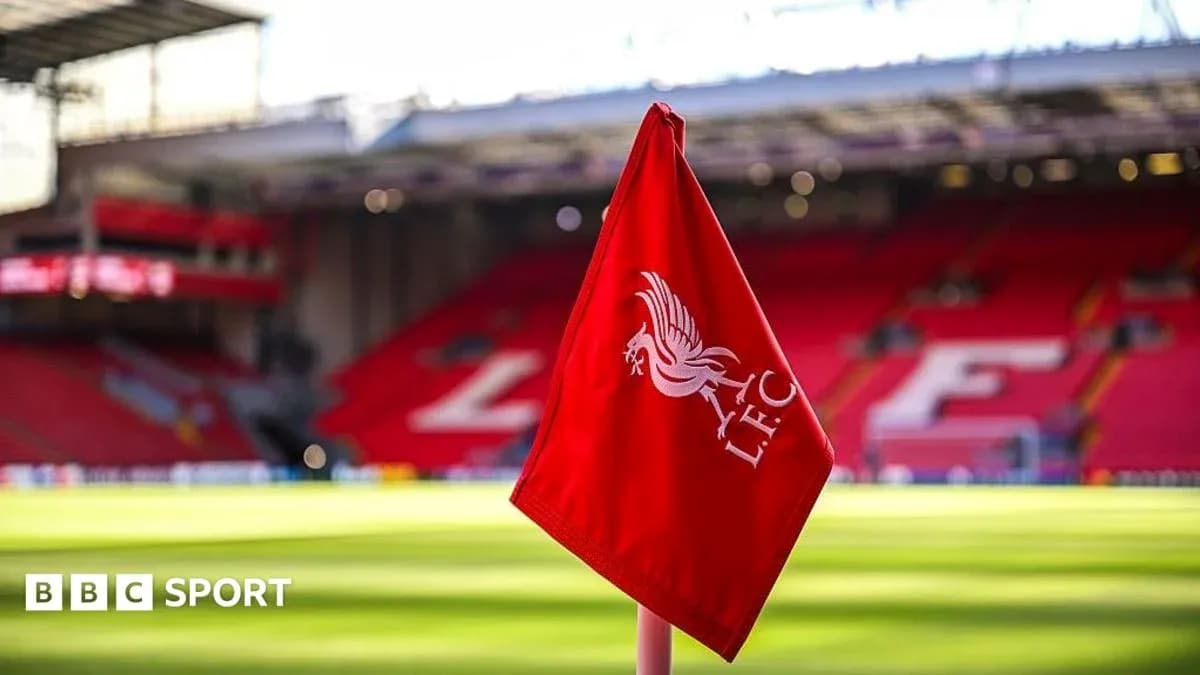
Nobody in that stadium imagined that, by the end of the campaign, Iraola would be walking into Anfield as Liverpool’s head coach and Slot would be the one replaced.
Football moves fast. Brutally fast.
From the seaside to the pressure cooker
Liverpool under Iraola are six points worse off than at this stage last year, yet still unbeaten. The numbers say “steady”. The mood says “transition”.
This weekend, the 44-year-old walks back into Bournemouth, the club he called home for three years. Only this time, he’ll head for the away dressing room – a smaller space, recently renovated to meet Europa League regulations. A small upgrade, a strange downgrade. The surroundings will be familiar, the job very different.
Iraola has traded the south-coast seaside for Formby’s sand dunes, the same area Jurgen Klopp and Brendan Rodgers once chose. He’s been spotted in the city centre, he’s been out on his bike along the coast, but his real habitat is Kirkby’s training pitches.
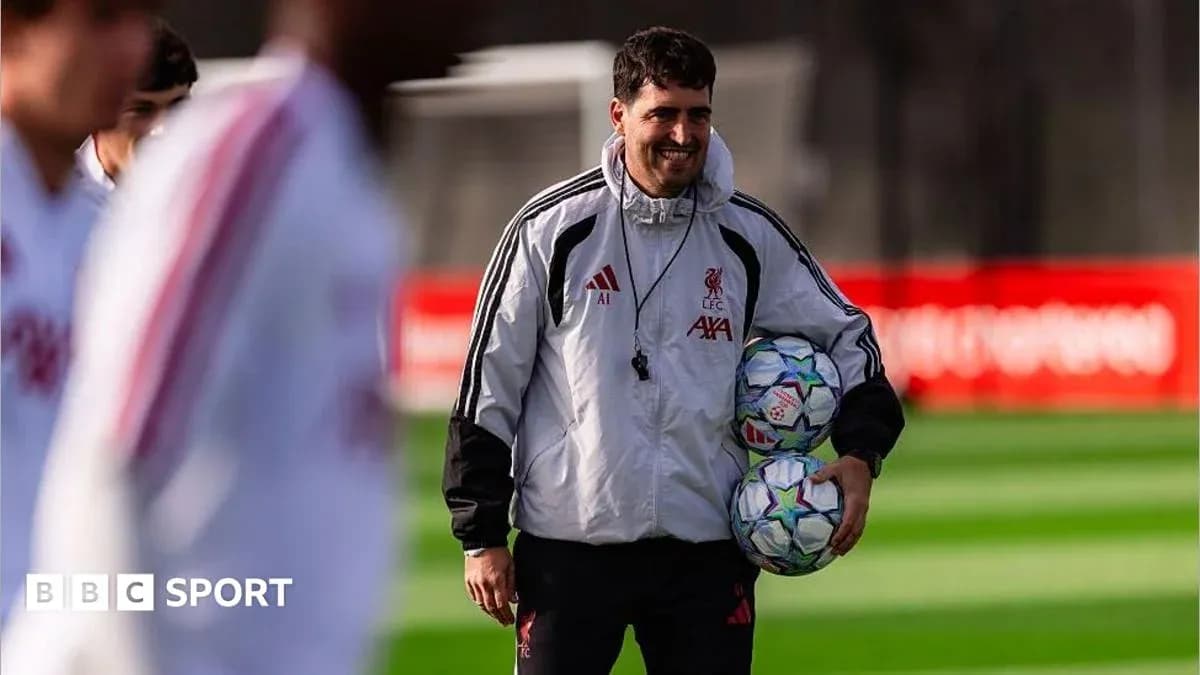
Those inside Liverpool describe him as a “six days a week” coach. He is often the first man out on the grass, laying out cones himself. No grand entrance, no big performance. Just work.
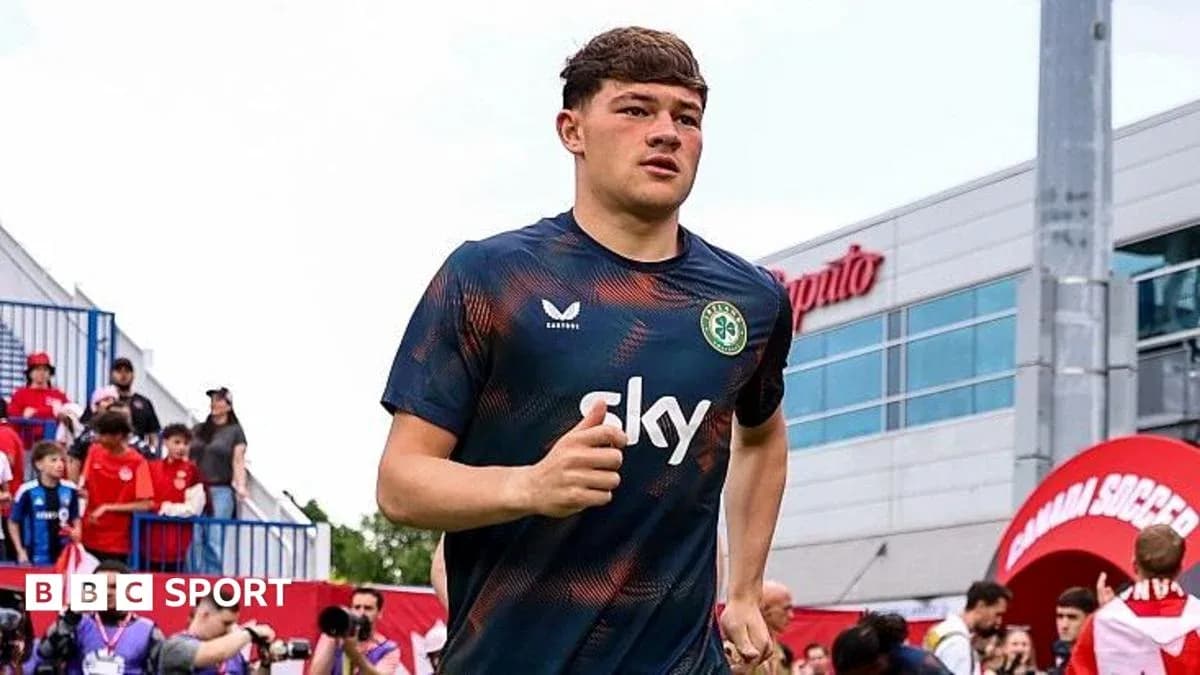
“It’s really intense. There’s a lot of hard work and no sort of light days. Everyone’s putting in 100%,” forward Lewis Koumas said. That line could sit on the wall at the AXA Training Centre. Under Iraola, intensity isn’t a slogan; it’s the entry fee.
A quieter figure, the same demanding standards
Around Kirkby, Iraola cuts a lower-key figure than some of his predecessors. He rarely hides away in his own office, preferring the coaches’ room alongside Tommy Elphick, Shaun Cooper and long-time lieutenant Pablo de la Torre. He blends into the staff rather than looming over them.
De la Torre, who followed him from Rayo Vallecano to Bournemouth and now Liverpool, is central to one of Iraola’s non-negotiables: physical standards. If you can’t run, you can’t play his football.
Despite the change in face on the touchline, the internal tweaks are more subtle than dramatic. The head coach role at Liverpool is tightly structured; Iraola has stepped into a framework rather than torn it down.
His biggest adjustment is the calendar. At Bournemouth, he impressed enough to earn this job. At Liverpool, he is learning how to navigate a schedule that will bring at least 49 games, and potentially push into the 60s if cup runs bite.
That reality has forced him to lean heavily on Liverpool’s medical and fitness departments. Training plans bend around kick-off times now. Late-afternoon and early-evening sessions are becoming common. Under Slot, the rhythm was more fixed; under Iraola, it moves with the fixture list.
One club, one way of playing
The work stretches beyond the first team. There have been detailed conversations with the academy, particularly Under-21s coach Rob Page, to ensure a clear tactical line from youth to senior football.
“We have an understanding of how the first team play and key principles, like how we press, how he [Iraola] wants his number 10 to press, how he wants his number eight to press, how he wants his centre-backs to press – we mirror that absolutely,” Page explained.
Dominik Szoboszlai spelled out the structure earlier this week: Liverpool operate with a six, an eight and a ten. Supporters spent the summer calling for a specialist defensive midfielder, but Iraola’s view is different. The system works if the collective sharpens up.
Team selection reflects that edge. He prefers to name his starting XI on the morning of a game, keeping players on their toes. The debrief waits until the day after, when emotions have cooled and the detail can land.
Learning the Liverpool spotlight
Iraola has already had a taste of how every word is amplified at a club of this size. After a pre-season friendly against Monaco, his comments to LFC TV about the team running out of steam after 30 minutes were widely circulated.
The intention was simple: an honest admission that Liverpool were still building the fitness required for his intensity. The reaction turned it into a supposed criticism of his players. Lesson learned. At Liverpool, nuance rarely survives the clip.
Even so, he has not retreated into clichés. In news conferences he comes across calm, measured, willing to explain. This is as much a manager adapting to Liverpool as Liverpool adapting to him.
Youth, legs and the cost of intensity
One of the main reasons the club turned to Iraola was his track record in developing young players. This season, Liverpool’s average Premier League age is 25.3; only five clubs field younger sides.
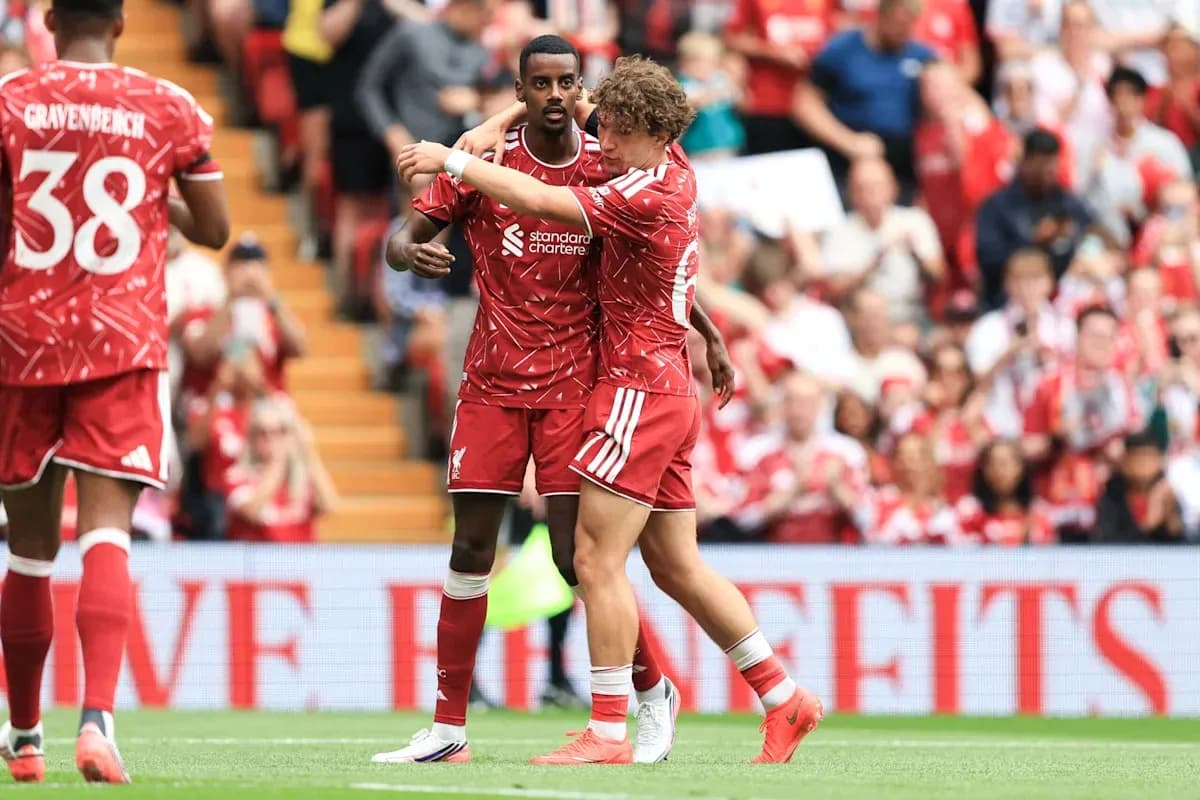
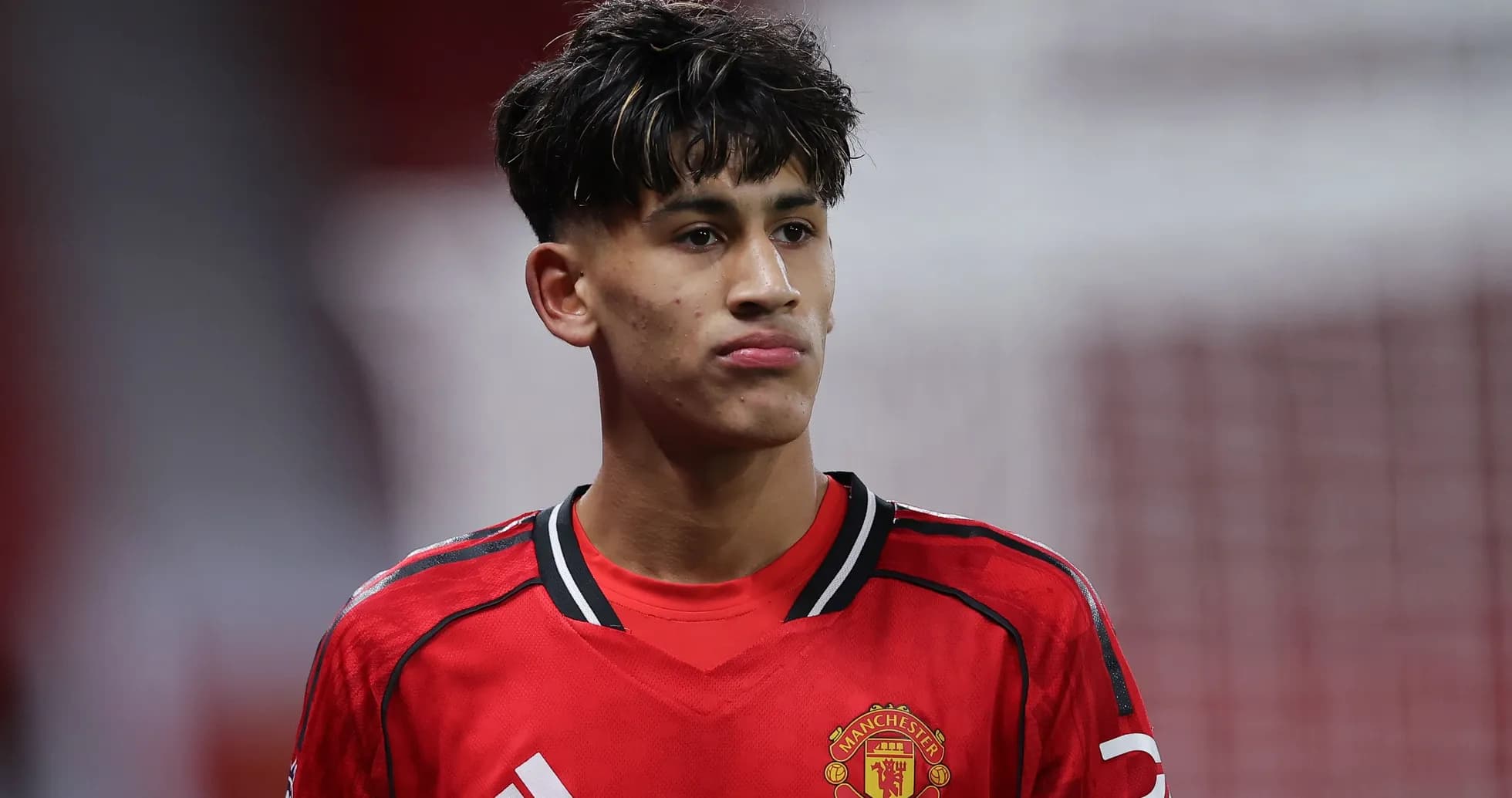
The Carabao Cup tie against Tottenham underlined the direction of travel. Rio Ngumoha, 18, Trey Nyoni, 19, and Koumas, 20, all started. None of them are seen as token picks. All three are expected to carry more responsibility as the season wears on.
Intensity is the buzzword around Iraola, and it is non-negotiable. Yet the schedule is unforgiving. Liverpool have made the most sprints in the Premier League so far, but looked heavy-legged in the goalless draw with Fulham, less than 72 hours after beating Atletico Madrid in the Champions League.
Sunday’s trip to Bournemouth will be their fourth game in 12 days. After the international break, it ramps up again: four matches in 10 days, and between 11 October and 7 November, nine games in total. Even for a team built to run, that is a brutal stretch.
Iraola knows he cannot rely on intensity alone. There will be days when Liverpool have to grind out a win from a set-piece or cling to an individual flash of brilliance. The idealism of the press has to live alongside the reality of the calendar.
Back to where it all began
On Thursday night, Bournemouth marked their Europa League debut with a win over Real Sociedad in the Basque Country, the region where Iraola grew up. He will have enjoyed that result. He will also know exactly how dangerous his old side can be when they smell a big scalp.
Perhaps on the flight south on Saturday, he will allow himself a moment. From player in the Basque hills, to coach at Rayo, to Bournemouth survivor, to Liverpool manager returning in the away dugout. It is quite a journey.
Liverpool’s start under him has not been spectacular. It has, however, been solid. They have yet to lose in the league, a significant shift after 12 defeats last season. Being hard to beat is progress. At Liverpool, though, it is not the end goal.
Vice-captain Alisson put it plainly last week: draws are not good enough.
Iraola knows it too. He is unbeaten in the Premier League since January across his two clubs. Stretching that run with a win, in a stadium he knows so well, would send Liverpool into the international break with something more powerful than statistics.
It would look and feel like the moment his Liverpool truly arrives.