Luka Modric and Tottenham's Transfer Standoff
Tottenham supporters knew, deep down, that Luka Modric was too good to keep forever. They just didn’t expect the break-up to play out at the airport.
In the summer of 2012, as Spurs prepared to board a flight for their pre-season tour of the United States, their midfield conductor simply didn’t show. No injury. No mix-up. A deliberate no‑show from a player who had decided his future lay in white – not of Tottenham, but of Real Madrid.
It was the act that stained a near-immaculate Spurs legacy.
From darling of the Lane to reluctant villain
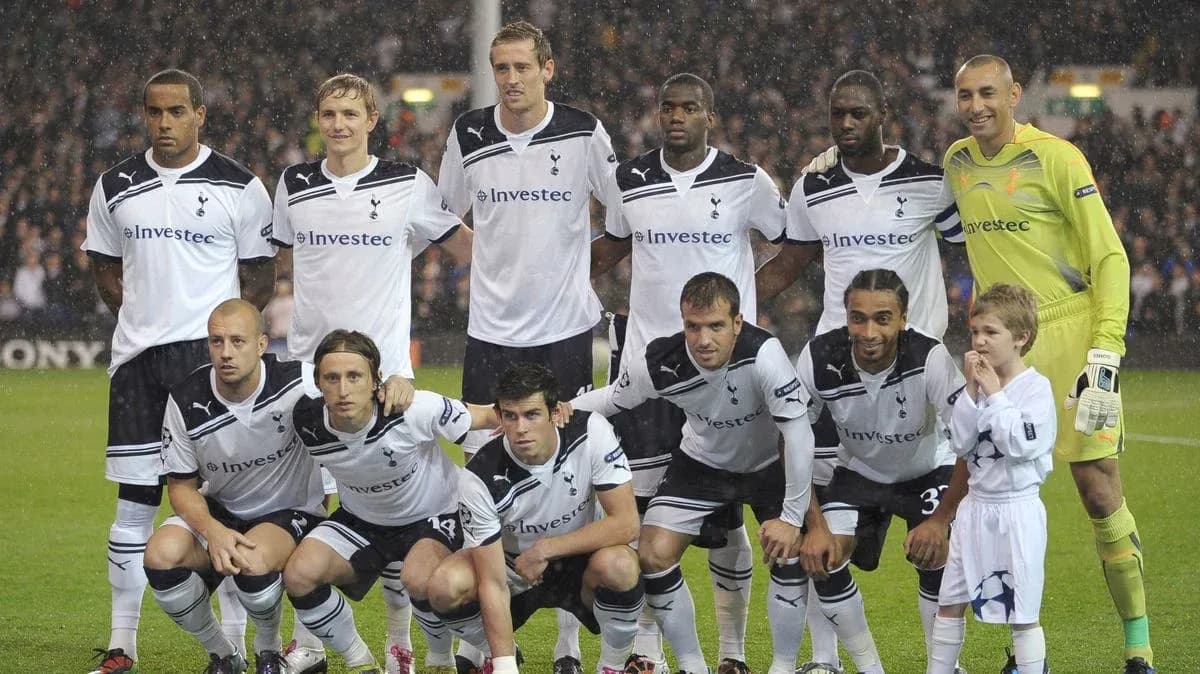
Modric, then 26 and approaching his absolute peak, had already spent years as the heartbeat of Tottenham’s midfield. Signed from Dinamo Zagreb in 2008, he grew into one of the Premier League’s most elegant creators, the quiet leader in a side that thrilled but never quite crossed the line into serial winners.
By 2012, his reputation stretched far beyond north London. He had just shone for Croatia at Euro 2012, dictating games against the best in Europe. Jose Mourinho and Real Madrid had seen enough. Modric was identified as a priority signing, a player to refine an already star-studded squad at the Bernabeu.
Tottenham had been here before. The previous summer, Modric had tried to force a move to Chelsea, only for the club to dig in. This time, he pushed harder. Missing the team flight for the US tour was no accident; it was leverage. A clear message to chairman Daniel Levy: let me go.
Spurs responded with a two-week fine. They tried to hold the line, to convince their star that the project in north London still matched his ambitions. But the pressure kept building, and everyone knew how this story usually ends.
By the end of August, the inevitable happened. Modric completed a £33 million move to Real Madrid.
Regret on both sides
Andre Villas-Boas, then in the Tottenham dugout, spoke of his disappointment at how the saga had unfolded and made it clear Modric had apologised. The relationship between player and club had frayed, but not snapped completely.
Years later, Modric himself admitted the scars. Speaking in 2018, he called that chapter one of his biggest regrets, not just for the way he forced the move but for what he left behind.
He pointed to one thing above all: the lack of silverware. For all the style and promise of that Spurs team, trophies never arrived. “My one regret is that I didn’t win a trophy with Tottenham, despite us being a strong team who played good, attractive football,” he said at the time. He also apologised for the manner of his exit and made it clear he hoped supporters would understand he was following his dreams.
For some, that olive branch landed. For others, the image of Modric skipping a pre-season flight remains hard to forgive.
A career that justified the gamble
What came next made his decision brutally easy to rationalise.
At Real Madrid, Modric climbed into the pantheon. Six Champions League titles. Four La Liga crowns. Five FIFA Club World Cups. Two Copas del Rey. Thirteen years at the summit of European football, dictating the biggest games on the planet with the same calm authority he once showed at White Hart Lane.
He didn’t just justify the move; he redefined what success looked like for a modern midfielder.
Now at AC Milan, still pulling strings into his forties, he has stretched a career at the top level far beyond the normal lifespan. He recently signed a one-year extension at San Siro and will turn 41 next month, yet remains a live presence in elite football rather than a nostalgia act.
From Tottenham’s point of view, the regret lingers in a different way. Not just that they lost him, but that they didn’t cash in harder.
Modric had four years left on a six-year contract when he left for £33m. Just a year later, Gareth Bale departed for Real Madrid in a deal worth £89m, reuniting with his former team-mate in Spain. The contrast in fees still stings when you consider what Modric became in Madrid colours.
Lessons for a new era at Spurs
Time has moved on. The cast has changed. Spurs are no longer the club clinging to their stars; this summer they have spent close to £250m on new signings, pushing hard to reshape the squad and close the gap to the elite.
But the Modric saga still hangs in the background as a warning. A reminder of how quickly a cherished relationship can sour when ambition and reality collide. A reminder of how leverage shifts when a world-class player decides his ceiling lies elsewhere.
Tottenham now find themselves on the other side of the negotiating table, applying pressure instead of resisting it. The challenge for the current regime is clear: learn from the Modric episode. Manage contracts smarter. Anticipate unrest earlier. Avoid being forced into corners by players whose dreams outgrow the club’s trajectory.
Because once a star decides not to board the plane, the battle is usually already lost.